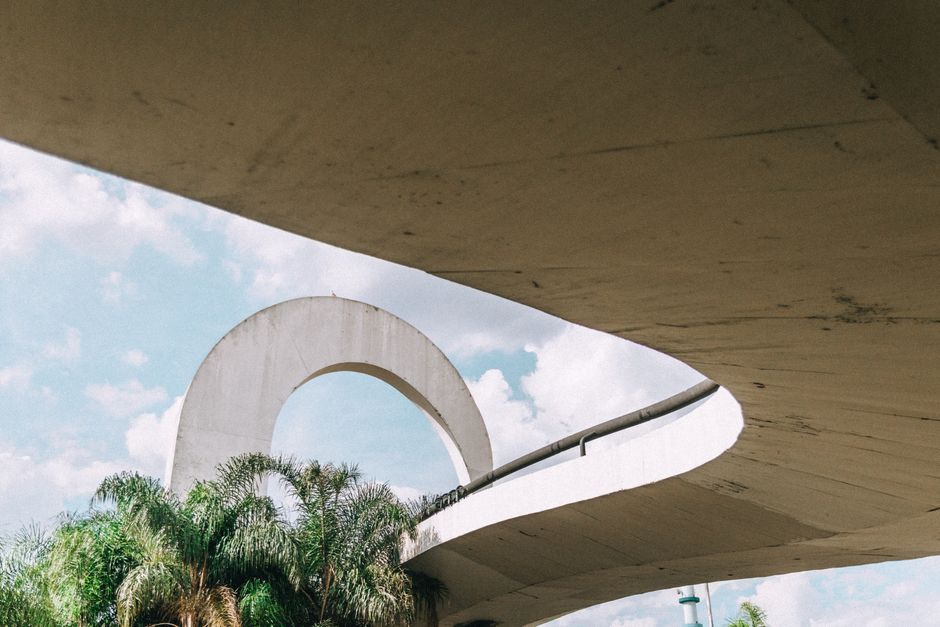
Walk through Ibirapuera Park on a Tuesday morning and you'll notice something that would have seemed unlikely a decade ago: clusters of people over 60 doing tai chi by the lake, navigating obstacle courses near the Museu de Arte Moderna, and joining guided walking groups that treat mobility not as a given but as a practice worth protecting.
São Paulo's active ageing movement has quietly become one of the city's most resilient wellness trends. The shift reflects both demographic reality—the city's population aged 60 and over has grown by nearly 40 percent since 2010—and a fundamental reimagining of what staying fit means in later life.
"We're seeing demand we didn't anticipate," says the wellness community at Ibirapuera, where dedicated senior fitness programming has expanded three times in the past 18 months. Classes now include joint-mobility workshops, low-impact strength training, and balance-focused sessions designed to prevent falls—a major health concern for older adults. Many classes cost between R$40 and R$80 per session, with monthly packages around R$250.
The movement extends beyond parks. Neighborhoods like Vila Mariana and Jardins have become hubs for accessible fitness studios. Several cafés along Avenida Paulista now cater explicitly to active older adults, offering protein-rich menus and hosting wellness talks on topics like posture and cardiovascular health. Sunday cycling groups on Avenida Paulista have introduced slower-paced, shorter routes specifically for riders over 55, with participation reportedly doubling since 2024.
Nearby Hospital das Clínicas has responded by launching a senior mobility and prevention program, combining physiotherapy with community-based exercise classes. The initiative reflects growing recognition that staying active directly impacts outcomes for chronic conditions common in later life.
What distinguishes São Paulo's approach is its integration into existing urban infrastructure rather than segregation into senior-only spaces. Classes mix generations, cycling groups are open to all abilities, and cafés serve everyone. This inclusivity seems intentional: the message isn't that older adults need special treatment, but that mobility and strength matter for everyone.
The trend also speaks to economic resilience. Active older adults represent growing spending power—and São Paulo's wellness industry is responding with services tailored to their needs without condescension.
For those interested in exploring these options, consulting local healthcare providers at Hospital das Clínicas or community centers can help identify programs matching individual mobility needs and fitness levels.
This article was compiled by AI from the sources linked above and screened before publishing. See our editorial standards.