From food courts to farm tables: How nutritional wellness is reshaping São Paulo's eating habits
The city's embrace of mindful eating and locally sourced nutrition reveals a quiet revolution in how paulistas think about their plates.
The city's embrace of mindful eating and locally sourced nutrition reveals a quiet revolution in how paulistas think about their plates.
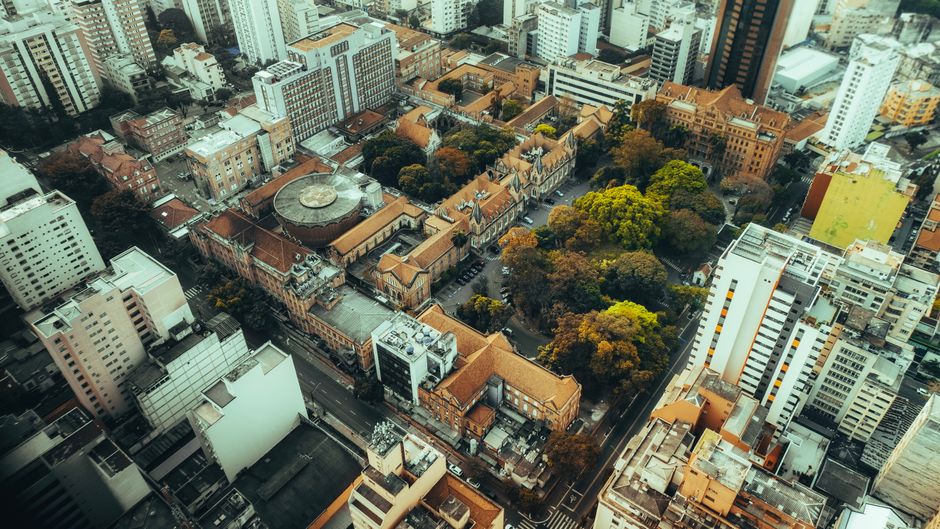
Walk down Rua Oscar Freire in Jardins on any weekday morning, and you'll notice something has shifted. The juice bars have multiplied. The açaí bowls come with ingredient lists. Café menus now highlight protein content alongside espresso notes. São Paulo's wellness-focused food movement, once confined to boutique health stores, has permeated the city's everyday eating culture with remarkable speed.
The numbers tell the story. According to recent market research, São Paulo's organic and health-conscious food sector grew by 18% over the past two years—outpacing both national and regional trends. What began as a niche interest among affluent neighbourhoods like Vila Mariana and Pinheiros has rippled across the city, reaching middle-class zones and commercial districts from Vila Madalena to Tatuapé.
The shift reflects a broader conversation about nutrition that's moved beyond diet fads. Local nutritionists report increasing consultations focused on sustainable eating rather than restrictive regimens. Organisations like the São Paulo Nutrition Council have partnered with neighbourhood health clinics to offer free workshops on seasonal eating and balanced meal planning—a direct response to community demand.
Traditional markets are adapting too. The Sacolão movement—small independent produce shops—has experienced a renaissance as paulistas seek transparency about food origins. Weekend farmers' markets in Ibirapuera Park and near Avenida Paulista now feature vendor booths explaining cultivation methods, not just selling vegetables. Local farms on São Paulo's periphery, once supplying only restaurants, now operate direct-to-consumer programs.
Price remains a consideration. Premium organic products in Jardins can cost 40-60% more than conventional alternatives, limiting accessibility. Yet newer initiatives aim to democratise this trend. Community-supported agriculture programs (CSAs) and cooperative buying groups have emerged across neighbourhoods, with membership options starting around R$80 weekly for mixed produce boxes—comparable to high-end café habits many paulistas already maintain.
The café culture evolution deserves particular note. Traditional botequins coexist with establishments offering açaí smoothie bowls, cold-pressed juices, and whole-grain snacks. This isn't gentrification replacing street food—it's expansion. Many neighbourhoods now feature both options on the same block.
What's driving this isn't just health consciousness. Paulistas cite environmental concern, food security awareness, and a desire to support local agriculture. The wellness narrative has matured beyond individual benefit into collective responsibility.
For those interested in exploring this movement, starting locally—at neighbourhood markets, weekend farmers' initiatives, or through nutrition consultations at Hospital das Clínicas—offers accessible entry points into São Paulo's evolving relationship with food.
This article was compiled by AI from the sources linked above and screened before publishing. See our editorial standards.
How does this story make you feel?
Spread the word
About this article
Published by The Daily São Paulo
Daily brief
Free, in your inbox before 7am. Weekdays.
More in Wellness