From desk to trail: How São Paulo's running routes sparked a community transformation
Local runners share how neighbourhood loops and organised groups turned solitary fitness into a movement that reshaped their lives.
Local runners share how neighbourhood loops and organised groups turned solitary fitness into a movement that reshaped their lives.
On weekend mornings along the Pinheiros River pathway, a different kind of commute unfolds. Groups of runners—some in their first month of training, others seasoned veterans—weave between cyclists and dog walkers, part of a growing movement transforming São Paulo's approach to outdoor fitness.
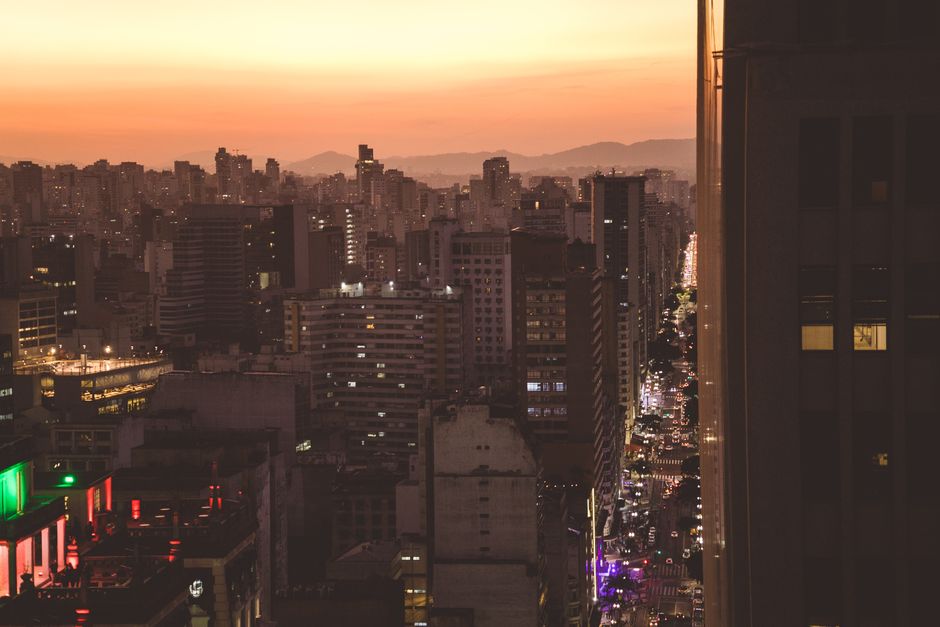
The city's geography has long favoured isolation: office workers trapped in vertical towers, car-bound commutes, gyms behind locked doors. Yet over the past three years, a shift has emerged. Neighbourhood running clubs have sprouted across Zona Oeste, Vila Madalena, and around the Ibirapuera Park circuit—spaces where health transformation happens not in isolation but in community.
The numbers tell part of the story. Running app Strava's 2025 data showed São Paulo's park-based fitness activities increased 34 percent year-over-year, with the Ibirapuera loop—a gentle 3.6km circuit accessible from multiple entry points—accounting for roughly 15 percent of tracked city runs. The adjacent neighbourhood cafés have adapted accordingly; several now offer post-run açaí bowls and protein options, recognising their customers' evolving routines.
What's driving this shift? Accessibility plays a role. Unlike boutique cycling studios charging R$150+ per session, running trails cost nothing. The Avenida Paulista Sunday cycling initiative—now complemented by official running routes mapped by the city's Secretaria de Esportes—created infrastructure that normalised outdoor activity. Hospital das Clínicas' sports medicine division reported a 28 percent uptick in running-related consultations since 2024, reflecting both increased participation and better injury awareness among local athletes.
Community organisations have capitalised on this momentum. Groups ranging from casual meetup clusters to formally registered clubs now gather at traditional points: the Ibirapuera east entrance, Vila Madalena's Rua Mourato Coelho, and along the revitalised Pinheiros waterfront. These aren't exclusive spaces—beginners share routes with experienced runners, creating mentorship organically.
The transformation extends beyond fitness metrics. Participants describe psychological shifts: reduced anxiety, social connection, neighbourhoods rediscovered on foot rather than through car windows. For many, the ritual became sustainable precisely because it embedded health into existing community rhythms rather than isolating it in membership-dependent facilities.
As São Paulo's warm months extend and infrastructure improves, this momentum shows signs of deepening. The city that once seemed defined by vertical isolation is discovering that transformation often happens horizontally—on neighbourhood trails where strangers become running partners, and solitary health goals become collective ones.
This article was compiled by AI from the sources linked above and screened before publishing. See our editorial standards.
How does this story make you feel?
Spread the word
About this article
Published by The Daily São Paulo
Daily brief
Free, in your inbox before 7am. Weekdays.
More in Wellness