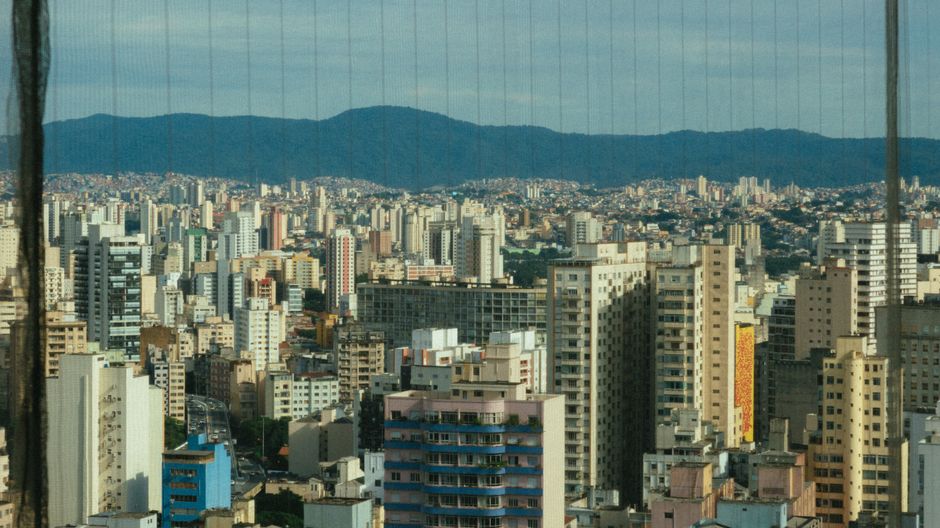
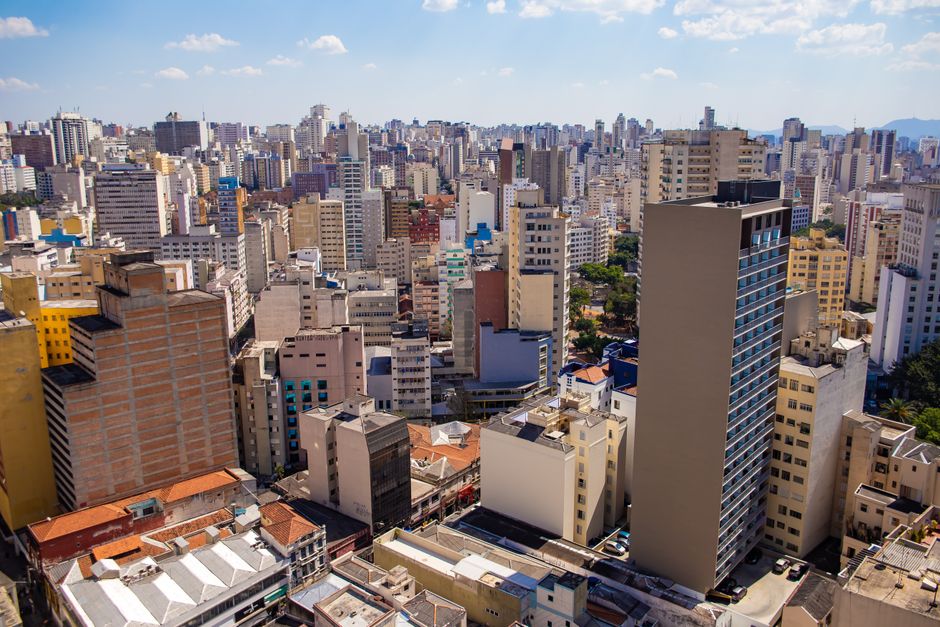
The numbers tell the story faster than any pitch deck. In the first half of 2026, fintech startups across São Paulo have attracted $2.3 billion in venture funding—a 67 percent surge compared to the same period last year. For a city already synonymous with Latin America's tech ambitions, the speed of this capital influx is reshaping neighbourhoods, attracting international talent, and forcing traditional banks to finally innovate or lose ground.
Rua Oscar Freire in Pinheiros has transformed into fintech row. Where fashion boutiques once dominated, venture capital offices and startup accelerators now occupy prime real estate. The shift accelerated noticeably after 2024, when SoftBank and Sequoia Capital opened dedicated Brazil operations just blocks apart. By early 2026, more than 40 fintech ventures operate within a three-kilometre radius, creating what locals half-jokingly call "Fintech Central."
The appetite from global investors is voracious. Andreessen Horowitz's Brazil fund, launched in 2023, has become a repeat buyer. International payment platforms, embedded lending solutions, and AI-powered compliance tools dominate investment patterns. A Series B round that would have seemed extraordinary five years ago—$50 to $100 million—now occurs monthly. Three startups have crossed the unicorn threshold this year alone, making São Paulo the birthplace of more billion-dollar fintech companies than Mexico City, Buenos Aires, or any other Latin American rival.
What's driving the frenzy? Brazil's financial inclusion problem remains severe. Nearly 30 percent of the population lacks basic banking services. For foreign investors, this represents opportunity; for local entrepreneurs, it's both moral imperative and market reality. Startups targeting credit assessment for informal workers, cross-border remittance corridors, and small-business payroll solutions command premiums. A startup solving payments friction in the favelas isn't just socially conscious—it's a direct path to millions of previously banked customers.
The human cost of this boom cuts both ways. Tech workers in Vila Madalena report salaries climbing 40 percent in two years, pricing out service workers and longtime residents. Co-working spaces around Avenida Paulista now charge premium rates, with the choicest addresses in Itaim Bibi fully booked. Yet the jobs—engineering, product, design, legal—represent genuine opportunity for São Paulo's educated workforce.
Regulatory clarity has been crucial. Brazil's Central Bank's 2021 open banking mandate and subsequent fintech licensing framework removed uncertainty that plagued earlier years. International investors now see enforceable rules rather than bureaucratic chaos. That confidence is reflected in capital deployment: 2026 will likely exceed $4 billion in total fintech funding if current velocity holds.
For a city competing with Singapore, London, and San Francisco for startup dominance, São Paulo's fintech surge isn't just about money—it's validation that the city can lead global finance's future.
This article was compiled by AI from the sources linked above and screened before publishing. See our editorial standards.