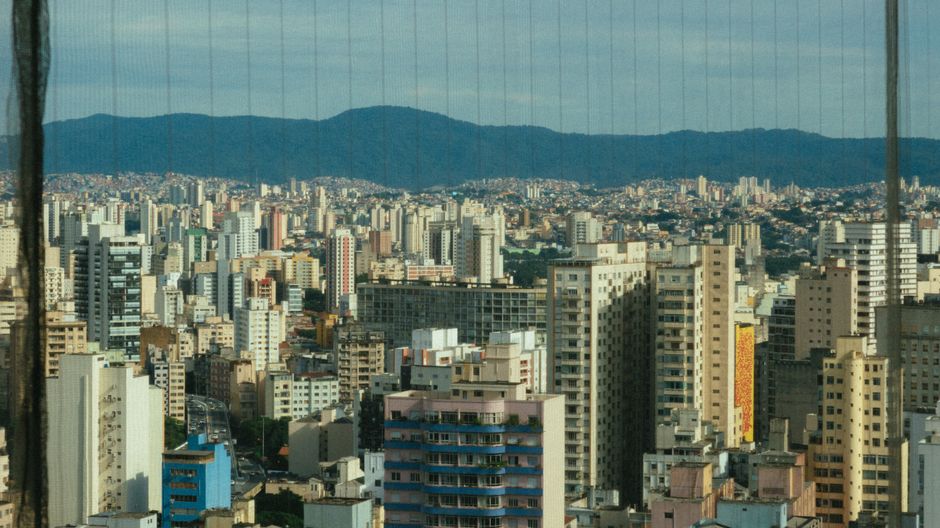
When SynthIA's engineering team gathered in their compact office on Rua Bandeira, near Avenida Paulista, three months ago, they were chasing a problem that had plagued manufacturing across Latin America for decades: predicting equipment failure before it happens, without the astronomical computing costs of traditional AI systems.
Last month, they announced they'd solved it. And the market is taking notice.
The company, which emerged from the CESAR accelerator program in Recife before relocating its core operations to São Paulo's Pinheiros neighbourhood, has developed an edge-computing platform that processes real-time industrial sensor data locally—without shipping terabytes to cloud servers. For factories already struggling with connectivity and costs, it's a game-changer. Early adopters in the automotive and food-processing sectors report reducing unplanned downtime by up to 34 percent.
What makes SynthIA's achievement significant isn't just the technology. It's the timing and the market fit. Brazil's manufacturing sector—worth roughly R$2 trillion annually—has been underinvesting in predictive maintenance infrastructure. Most plants still rely on reactive repairs, where a broken pump stops an entire production line. SynthIA's platform costs a fraction of competing enterprise solutions, starting at R$45,000 for mid-sized facilities, with monthly monitoring fees around R$8,000.
The firm, founded in 2023 by engineers with backgrounds at Natura, Natura &Cosméticos, and Petrobras, has already secured pilot projects at three major automotive suppliers in the ABC region and expanded interest from operations in Colombia and Peru. They're currently in conversation with larger industrial conglomerates, though details remain confidential.
What's particularly noteworthy is how SynthIA represents a maturing tech ecosystem in São Paulo. Unlike the fintech boom of the early 2020s, which flooded the market, this wave of industrial-tech startups is targeting unsexy but essential problems—the kind that generate revenue quickly and solve real operational headaches. The city now hosts over 40 deep-tech companies focused on manufacturing, logistics, and agriculture, many clustered around innovation hubs in Vila Mariana and Itaim Bibi.
Industry observers see SynthIA as emblematic of a shift: São Paulo moving beyond being a tech services hub toward genuine innovation in sectors where Brazil has structural advantages. With Series A funding expected this quarter, the startup is poised to become a regional player—and possibly, a model for how Brazilian tech solves global problems with local constraints in mind.
This article was compiled by AI from the sources linked above and screened before publishing. See our editorial standards.