São Paulo's Smart City Dream Faces a Reckoning: Promise Clashes With Privacy, Equity, and Control
As the metropolis races to digitise governance, residents and experts are asking harder questions about who benefits—and who pays the price.
As the metropolis races to digitise governance, residents and experts are asking harder questions about who benefits—and who pays the price.
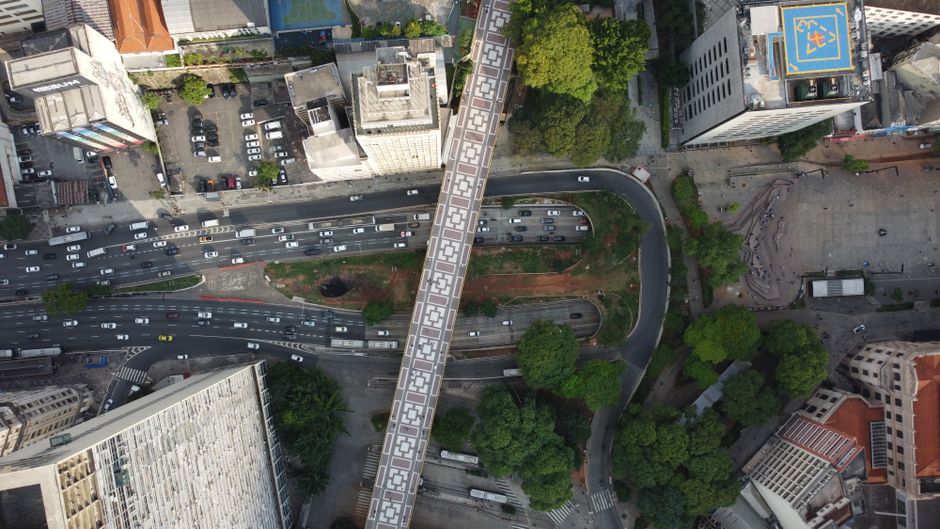
São Paulo's transformation into a "smart city" is accelerating. The Prefeitura's digital initiatives—from real-time traffic management on Avenida Paulista to facial recognition systems deployed across the metro network—promise efficiency and safety. Yet beneath the gleaming infrastructure lie uncomfortable truths that technologists and policymakers are only beginning to confront.
The numbers are compelling. City Hall reports that integrated traffic sensors have reduced congestion in central zones by roughly 12% over two years. Digital permits processed through the SP Urbanismo platform have dropped application times from 45 days to under three weeks. These wins matter for a city of 11.9 million people, where every minute counts.
But the promise comes with a shadow. Surveillance infrastructure—particularly the facial recognition cameras increasingly visible in Pinheiros, Vila Madalena, and near Estação da Luz—operates with minimal public oversight. Civil society groups including Intervozes and Instituto Brasileiro de Defesa do Consumidor have raised alarms about data collection without explicit consent, algorithmic bias, and the lack of transparent auditing mechanisms.
"We're building a digital city for whom?" asks one concern gaining traction in community forums across the periphery. Smart city infrastructure clusters disproportionately in wealthier zones. Neighbourhoods like Capão Redondo and Grajaú—home to millions—see fewer smart amenities: fewer sensors tracking services, less investment in digital public participation tools. The result is a two-tiered system where algorithmic decision-making reinforces existing inequality rather than democratising access.
The ethical questions mount. Who owns the data flowing through these systems? Private contractors like Cisco and Ericsson—which manage critical platforms—operate under service agreements that often classify information as proprietary. Citizens generating data through their digital footprints have virtually no say in how it's analysed, shared, or used for predictive policing and resource allocation.
Cost is another flashpoint. São Paulo's smart city investments exceed R$2 billion across various initiatives, yet accountability remains fuzzy. Technology budgets often escape scrutiny that traditional infrastructure receives. When systems fail—as happened with a major traffic management glitch last October—recourse is limited.
The conversation is shifting. Progressive councillors are drafting digital bills of rights. Tech companies are facing pressure to publish algorithmic audits. Activist groups are mapping surveillance infrastructure to make the invisible visible.
São Paulo stands at a crossroads. The city can continue building smartly—or it can build smart *and* just. That requires treating digital transformation not as a technical problem but a social one. The promise is real. The risks are too.
This article was compiled by AI from the sources linked above and screened before publishing. See our editorial standards.
How does this story make you feel?
Spread the word
About this article
Published by The Daily São Paulo
Daily brief
Free, in your inbox before 7am. Weekdays.
More in tech