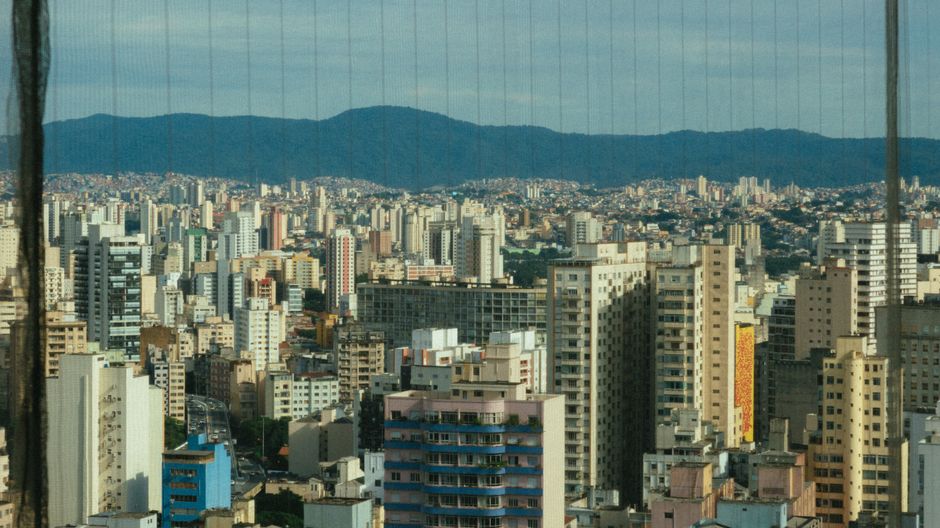
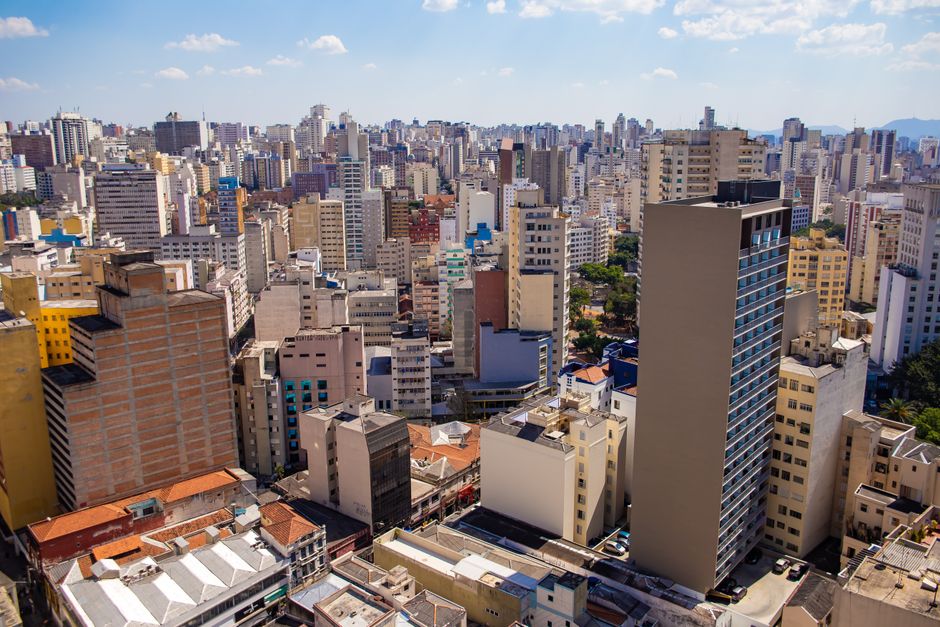
Walk through the converted warehouses of Vila Madalena or the glass-fronted offices clustering around Avenida Paulista, and you'll sense something fundamentally different about São Paulo's tech moment. This isn't a copycat Silicon Valley. It's a venture capital ecosystem built for a continent where 200 million people are still discovering the internet, where payment friction remains real, and where founders solve problems that don't exist in Palo Alto.
The numbers tell part of the story. Brazil attracted $2.4 billion in venture funding last year, with São Paulo capturing roughly 60 percent of that. Yet the capital per deal remains modest—median seed rounds hover around $500,000, a fraction of U.S. equivalents. This constraint breeds resourcefulness. Founders here don't burn cash on perks; they obsess over unit economics from day one.
What distinguishes the ecosystem, though, isn't the capital flowing in. It's the problems flowing out. São Paulo startups are tackling infrastructure gaps that Western founders take for granted. Fintech platforms address the fact that 40 million Brazilians lack traditional bank accounts. Logistics networks solve last-mile delivery in sprawling megacities where informal settlements outnumber planned neighborhoods. Agritech companies export harvesting innovations to farmers across Latin America and Africa.
This practical orientation attracts investors willing to think beyond the usual metrics. While U.S. venture firms chase "10x returns in five years," São Paulo's growing roster of regional VC firms—many headquartered within walking distance of Ibirapuera Park—are building patient capital strategies calibrated to emerging markets. They understand that sustainable growth in Brazil requires navigating regulatory complexity, inflation cycles, and currency volatility that American VCs treat as afterthoughts.
The ecosystem's social fabric reinforces this difference. Founder communities cluster in neighborhoods like Pinheiros and around the Universidade de São Paulo campus, but they remain tightly woven with corporate innovation labs, government agencies, and international development organizations. It's less insular than typical tech scenes. A founder working on affordable housing tech might find mentorship from someone who spent a decade at a multinational bank and funding from an impact investor tracking SDG metrics.
Perhaps most distinctively, São Paulo's tech ambition is frankly regional. Many founders here measure success not by New York IPO exits but by replicating their models across Spanish America, Portuguese Africa, or Southeast Asia. The city functions as a testing ground for solutions to problems shared by two billion people in the Global South—where growth stories are written differently than in wealthy markets.
That's why São Paulo matters. Not because it's becoming the next Silicon Valley. But because it's becoming something else entirely.
This article was compiled by AI from the sources linked above and screened before publishing. See our editorial standards.