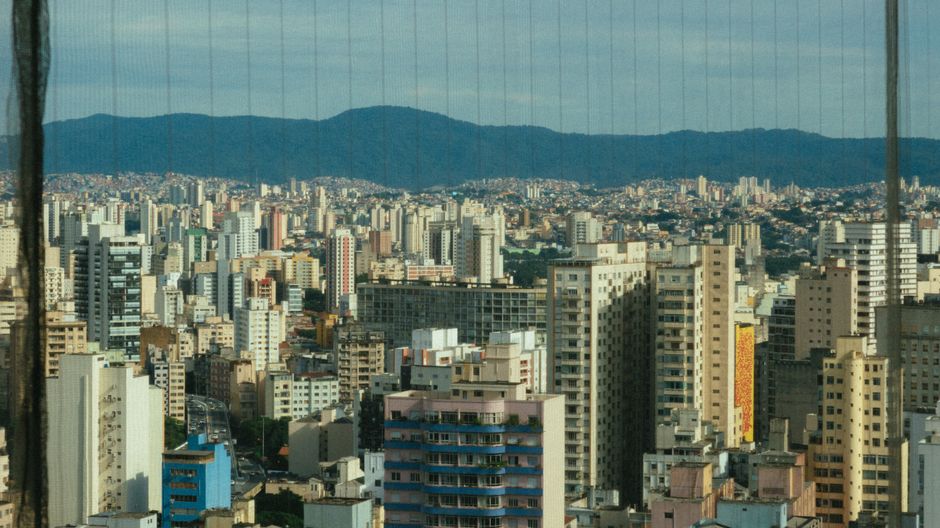
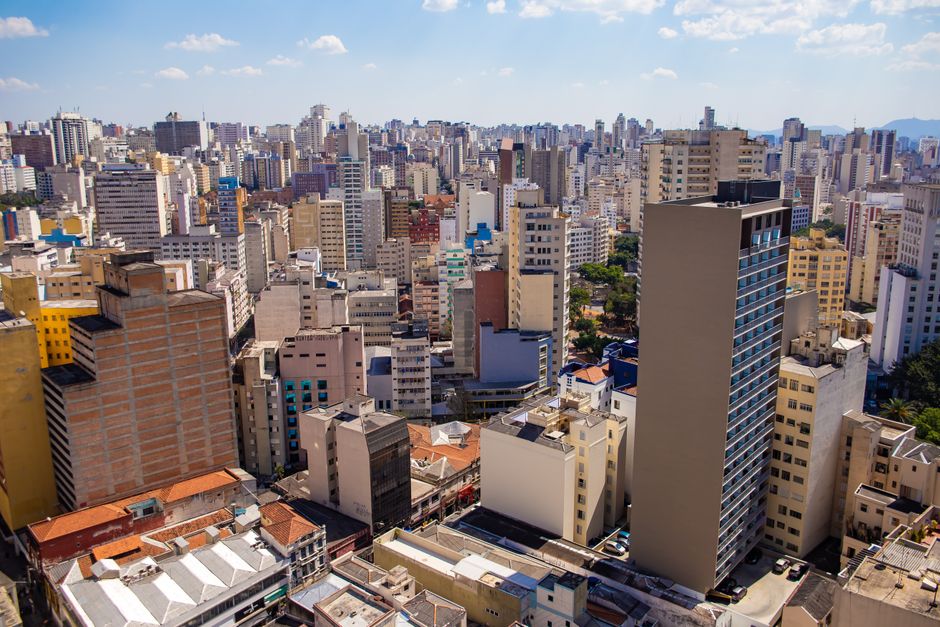
At a small padaria on Rua Augusta in Consolação, cashier Mariana Silva no longer waits three days for her hourly wages to clear. Through a fintech app linked directly to her employer's account, she receives instant payouts every evening—a shift that has transformed how she manages her precarious cash flow and unexpected expenses.
Silva's experience reflects a broader financial revolution sweeping through São Paulo's neighbourhoods. According to recent data from Brazil's Central Bank, digital banking adoption in the metropolitan region jumped from 52% in 2023 to 78% this year, with fintech platforms accounting for nearly 40% of all transactions among low-income households. For residents across Zona Leste suburbs like Itaquera and Guaianazes, where traditional bank branches remain sparse, this shift has proven transformative.
The impact extends beyond convenience. A 2026 survey by Associação Brasileira de Fintechs found that São Paulo users now save an average of R$180 monthly by avoiding bank fees—money that translates into groceries, school supplies, or emergency funds. Open banking platforms, mandated by Brazil's Central Bank, have enabled seamless account switching and competitive rate shopping that was previously impossible for ordinary customers.
In neighbourhoods like Vila Mariana and Tatuapé, small business owners are experiencing similarly dramatic changes. Restaurant owner João Ferreira in Mooca reports that implementing point-of-sale fintech solutions cut his transaction costs by 35% while accelerating cash flow. "Money that used to take five days to arrive now hits my account overnight," he explains. This velocity has allowed him to upgrade equipment and hire additional staff.
The technology has also democratised credit. Machine-learning algorithms now assess creditworthiness based on transaction patterns and payment history rather than traditional collateral or employment stability—opening lending doors for informal workers and gig economy participants. Digital lending platforms issued R$8.3 billion in credit across São Paulo state last year, with average approval times dropping below 24 hours.
Yet challenges persist. Digital literacy gaps mean older residents in neighbourhoods like Bom Retiro remain cautious about online banking. Security concerns and occasional app outages have also triggered frustration. Brazilian fintech firms continue facing regulatory scrutiny, though most analysts expect clearer oversight frameworks by year-end.
For São Paulo's millions of workers managing wages in real-time and small business owners operating on thin margins, fintech adoption represents something beyond technological convenience—it is fundamental economic empowerment, putting financial agency directly into users' hands.
This article was compiled by AI from the sources linked above and screened before publishing. See our editorial standards.