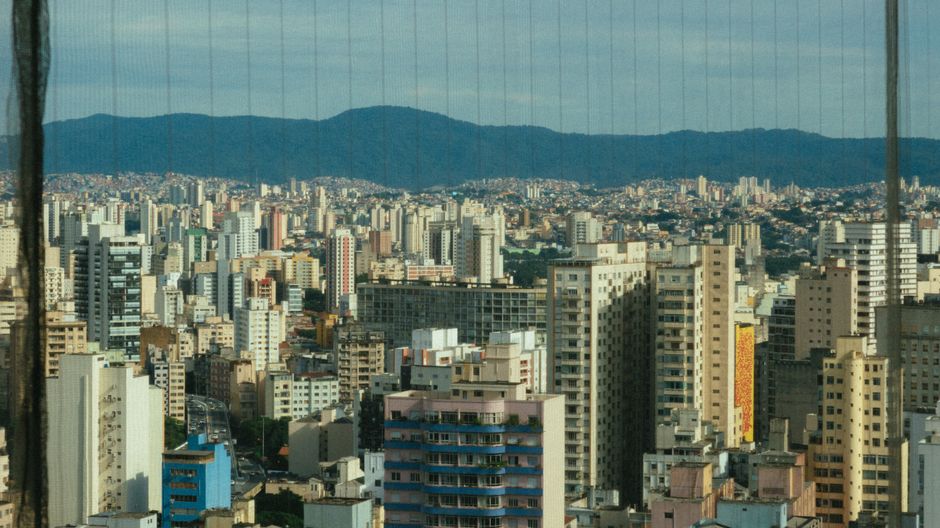
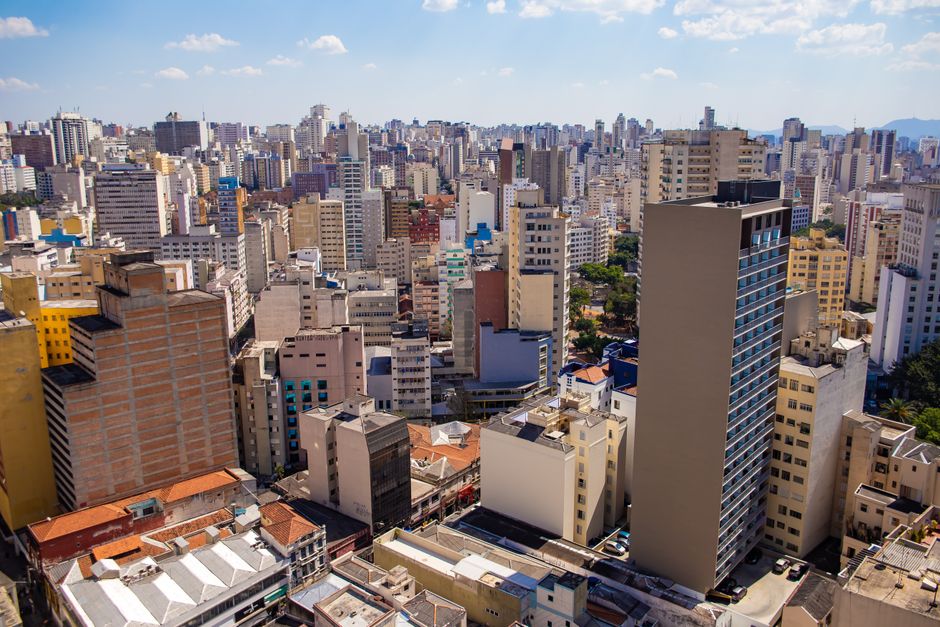
São Paulo's technology sector is experiencing unprecedented investor enthusiasm, with venture capital commitments reaching their highest levels since the pandemic-driven surge of 2021. According to data compiled by local venture firm Distrito, cumulative tech funding for the first half of 2026 has already surpassed $1.2 billion—a 34 percent increase over the same period last year—signaling renewed confidence in Brazil's largest city as a startup destination and innovation engine.
The concentration of investment has long favored Vila Olímpia and Vila Mariana, where multinational tech giants and accelerators cluster around premium office towers along Avenida Paulista and Rua Vergueiro. Yet this year's funding wave reveals a critical shift. Emerging neighborhoods like Mooca and Pari—historically industrial zones—are attracting institutional capital drawn by lower real estate costs and younger, diverse talent pools. Early-stage ventures in these districts have collectively raised approximately $280 million, nearly triple the amount from 2024.
"The arbitrage opportunity is real," explains the ecosystem that has grown around Pier de Inovação in Mooca, where office space averages R$60 per square meter annually, versus R$280 in traditional tech corridors. The district's proximity to the Rio Tamanduateí and recent infrastructure improvements along the Expresso Leste corridor have accelerated migration of development teams away from congested central zones.
Institutional investors are taking notice. Stellar, a São Paulo-based fund managing $380 million across two vehicles, increased its local deployment significantly this cycle, betting on edtech, logistics optimization, and climate-focused startups. Meanwhile, international players including Softbank Latin America and Sapphire Ventures have expanded their São Paulo teams, competing directly with established local firms like Monashees and Astella Investimentos for deal flow.
The funding growth reflects deeper structural changes. Brazil's fintech and software-as-a-service sectors matured considerably following the 2020-2022 correction, creating viable acquisition targets and seasoned founders launching second-generation companies. Payment platforms, B2B marketplaces, and artificial intelligence applications focused on Portuguese-language markets dominate current dealmaking, addressing gaps in enterprise software designed specifically for Brazilian business practices.
Competition for capital has intensified hiring pressures. Software engineers and product managers in São Paulo command salaries 15-20 percent higher than 2024 benchmarks, squeezing early-stage burn rates. Yet founders remain optimistic. The city's combination of deep technical talent, emerging neighborhoods offering cost advantages, and investor appetite positions São Paulo as Latin America's undisputed innovation capital—provided infrastructure and regulatory clarity keep pace with growth.
This article was compiled by AI from the sources linked above and screened before publishing. See our editorial standards.