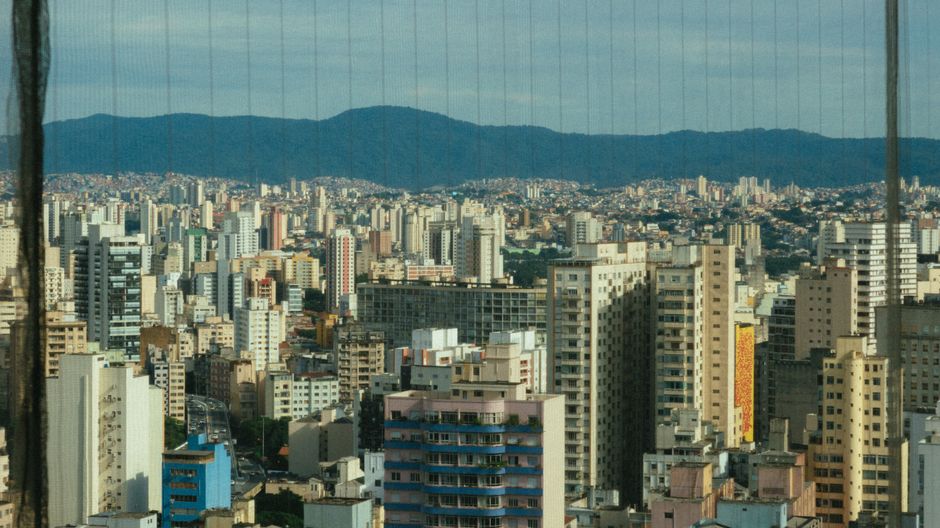
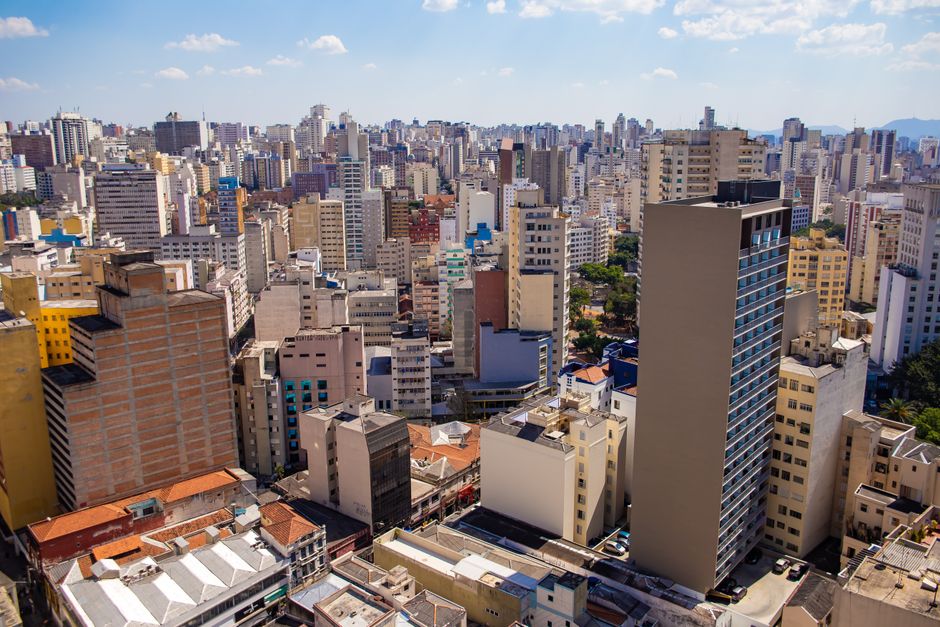
São Paulo's technology corridor is buzzing with anticipation as major innovation players prepare to unveil a wave of new products and services over the coming eighteen months. Conversations across startup hubs in Vila Madalena and the Faria Lima district reveal a sector poised to reshape how Brazilians interact with artificial intelligence, financial services, and supply chain management.
The momentum reflects broader confidence in São Paulo's tech ecosystem. According to recent data from the São Paulo Chamber of Digital Economy, the city now hosts over 15,000 technology companies, with venture capital funding reaching approximately R$8.2 billion in 2025—a 23 percent increase from the previous year. This growth has transformed neighborhoods from Pinheiros to Itaim Bibi into magnets for international investment.
Several emerging trends dominate industry roadmaps. Logistics automation, particularly relevant given São Paulo's role as Brazil's primary distribution hub, is seeing significant development. Companies are targeting solutions that integrate real-time tracking, predictive maintenance, and autonomous last-mile delivery—crucial for a metropolitan region handling roughly 40 percent of the nation's e-commerce transactions. Industry insiders expect three major launches in this category by Q4 2026.
Financial technology innovation remains equally vibrant. Fintech firms clustered around the Av. Paulista corridor are developing advanced credit-scoring algorithms specifically calibrated for the Brazilian informal economy, a sector representing roughly 40 million workers. These platforms aim to unlock lending opportunities previously inaccessible to microentrepreneurs and gig workers throughout the greater São Paulo region.
Artificial intelligence applications are expanding beyond traditional use cases. Healthcare technology companies operating from innovation zones near the Hospital das Clínicas are engineering diagnostic tools trained on Brazilian patient data, addressing the persistent challenge of algorithm bias in medical AI. Educational technology firms are simultaneously building Portuguese-language large language models optimized for Brazilian Portuguese dialects and cultural contexts.
Infrastructure investments are accelerating this trajectory. The recently expanded fiber-optic network serving downtown São Paulo and surrounding business districts now reaches 98 percent coverage, while cloud computing capacity has tripled since 2023. These foundational improvements enable companies to scale operations faster than previously possible.
Industry observers note that regulatory clarity has emerged as a competitive advantage. São Paulo's alignment with Brazil's new AI governance framework—approved late in 2025—has encouraged multinational technology companies to base product development teams locally rather than in competing regional hubs.
As São Paulo consolidates its status as Latin America's innovation capital, the products launching over the next year will likely determine whether the city maintains its technological edge or faces renewed competition from emerging hubs in Mexico City and Bogotá.
This article was compiled by AI from the sources linked above and screened before publishing. See our editorial standards.