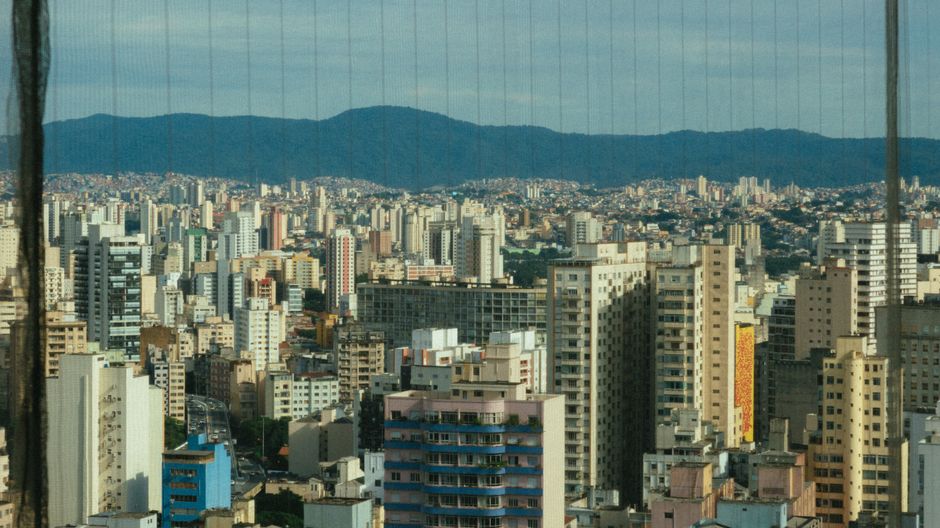
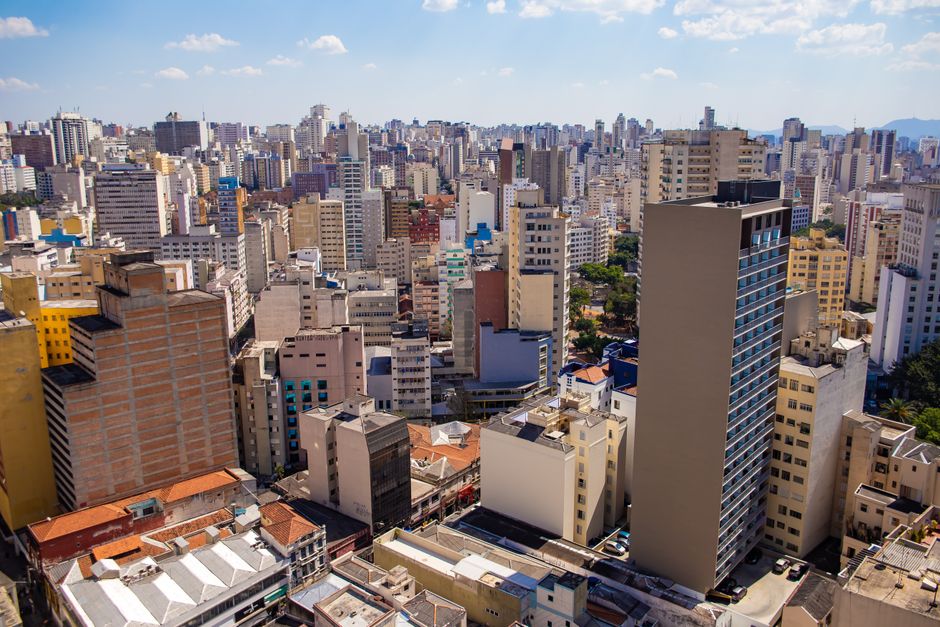
On a sweltering June afternoon in the Paraisópolis favela, where temperatures regularly exceed 32°C and grid blackouts are routine, a crew of technicians from Heliohub was installing what may seem like an unlikely luxury: a distributed solar array.
The São Paulo-based company, which operates from a renovated warehouse on Rua Bandeira in Pinheiros, has become the month's most compelling example of cleantech innovation addressing Brazil's energy inequality. Rather than waiting for top-down infrastructure overhauls, Heliohub is deploying modular photovoltaic systems directly into communities where formal electricity access remains patchy and grid instability costs households an estimated 18% of their monthly energy budgets.
Founded in 2023 but only gaining significant traction this quarter, Heliohub's model diverges sharply from conventional solar installers. The company bundles hardware—lightweight, weather-resistant panels designed for irregular roofing—with a proprietary battery management system and financing that works without credit checks. Residents pay through a combination of microfinance partnerships and energy-savings credits. Early deployments show payback periods of 4-5 years, compared to the 8-12 years typical for traditional installations.
"The insight was simple," explains the company's operations lead in available company materials: the poorest neighborhoods subsidize the wealthiest through unequal energy costs and reliability. Heliohub's pilot in Vila Mariana has equipped 247 homes since March, generating approximately 380 kilowatt-hours daily across the network—equivalent to taking roughly 60 vehicles off the road annually in emissions impact.
What sets this apart from the dozen-plus solar startups now operating in São Paulo is granularity. While competitors like Solfácil and Sunrun target middle-class residential and commercial sectors, Heliohub is attacking the informal market where neither traditional finance nor conventional grid infrastructure reach. This month, the company announced partnerships with two major microfinance NGOs operating in the periphery, positioning it for rapid expansion across the Greater São Paulo region.
The regulatory environment remains uncertain—favela electrification sits at the intersection of municipal, state, and informal governance structures. Yet Heliohub's approach sidesteps some bottlenecks by operating as a private energy provider rather than a grid replacement.
Brazil's renewable energy ambitions require scaling beyond the wealthy neighborhoods of Jardins and Higienópolis. Heliohub's bet on the periphery might prove the blueprint for reaching that goal.
This article was compiled by AI from the sources linked above and screened before publishing. See our editorial standards.