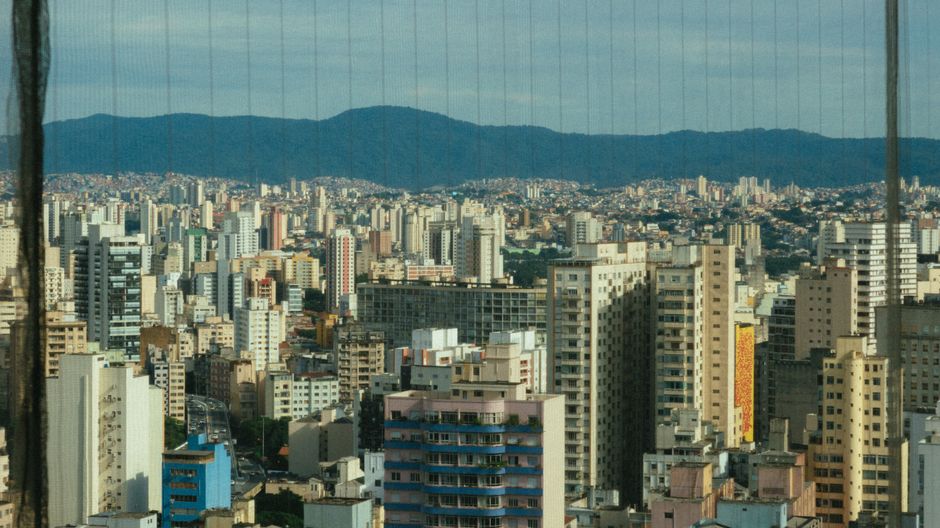
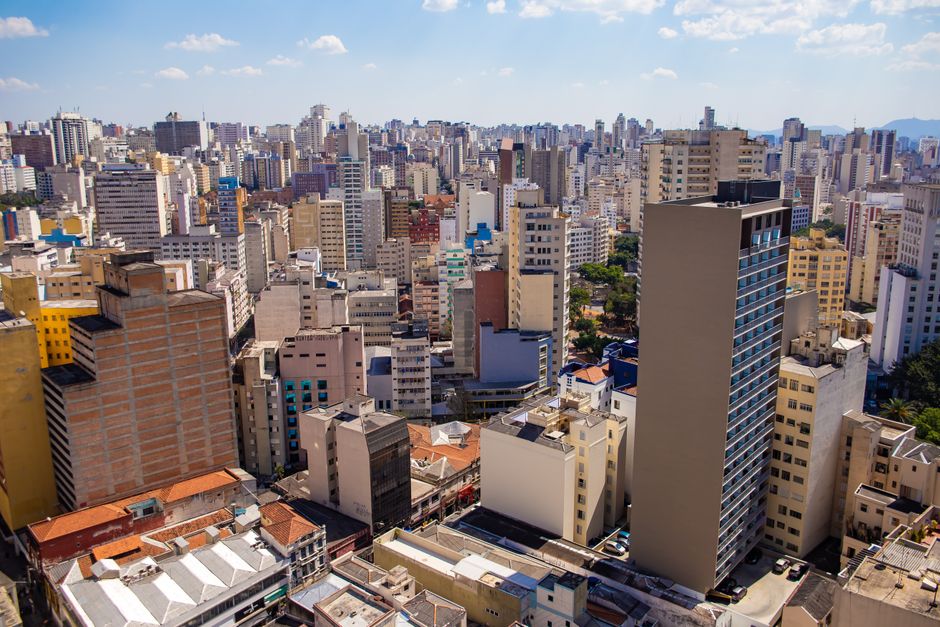
Walk down Avenida Paulista on any weekday morning, and you'll notice the scaffolding of São Paulo's transformation. Where corporate towers once dominated, coworking spaces now buzz with energy. But the real story of the city's venture capital renaissance isn't playing out in glass offices—it's reshaping how millions of Paulistas navigate their daily commutes, eat dinner, and access services.
Last year, São Paulo attracted approximately R$8.2 billion in venture funding, cementing the city's position as Latin America's startup capital. That capital has produced tangible changes for residents. Mobility startups, many incubated in innovation hubs around Vila Madalena and Pinheiros, have expanded beyond traditional ride-sharing. Dynamic pricing algorithms now help residents optimize transport choices across metro, bus, and app-based options—something unimaginable five years ago.
In the neighbourhoods of Bom Retiro and Brás, food-tech companies are transforming how small restaurants operate. A resident on Rua 25 de Março might order lunch from a family-owned lanchonete that never had a digital presence, now accessible through apps built by São Paulo–based startups. These platforms handle logistics, payments, and customer data that previously locked smaller vendors out of the digital economy.
Healthcare technology represents another frontier. Startups funded through São Paulo's venture ecosystem are deploying telemedicine solutions across peripheral zones like Itaquera and Capão Redondo, where specialist access is limited. A mother in the suburbs can now consult a dermatologist via video consultation for R$50—a fraction of downtown clinic costs.
The infrastructure supporting this boom has also matured. Organizations like ABVCAP (Brazilian Private Equity and Venture Capital Association) report that institutional investors increasingly anchor portfolios in São Paulo-based firms. This creates a multiplier effect: successful exits generate wealth that funds new ventures, which hire local talent, which spends money in local businesses.
Yet the transformation remains uneven. While Zona Norte residents benefit from delivery innovations, digital literacy gaps persist. Startups are increasingly addressing this—fintech companies are designing products specifically for populations with limited banking access, a reality for millions across São Paulo's periphery.
The venture ecosystem's impact on daily life extends beyond apps and services. It's reshaping real estate, talent migration patterns, and even social dynamics. Young professionals flock to co-working spaces around Rua Augusta, fundamentally altering neighborhood demographics and commercial activity.
As São Paulo competes globally for investment, the city's real competitive advantage isn't venture capital availability—it's the sheer scale of its population serving as both market and testing ground for innovation that works at megacity scale.
This article was compiled by AI from the sources linked above and screened before publishing. See our editorial standards.