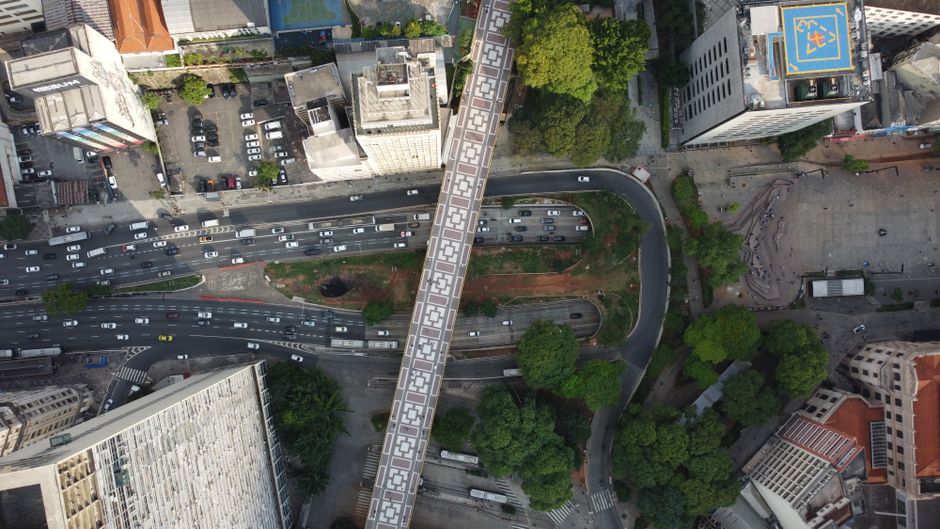
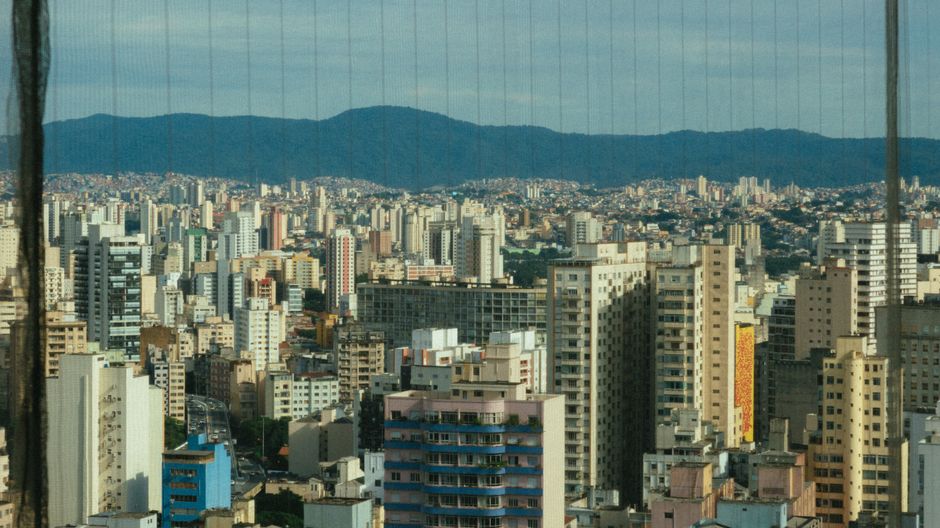
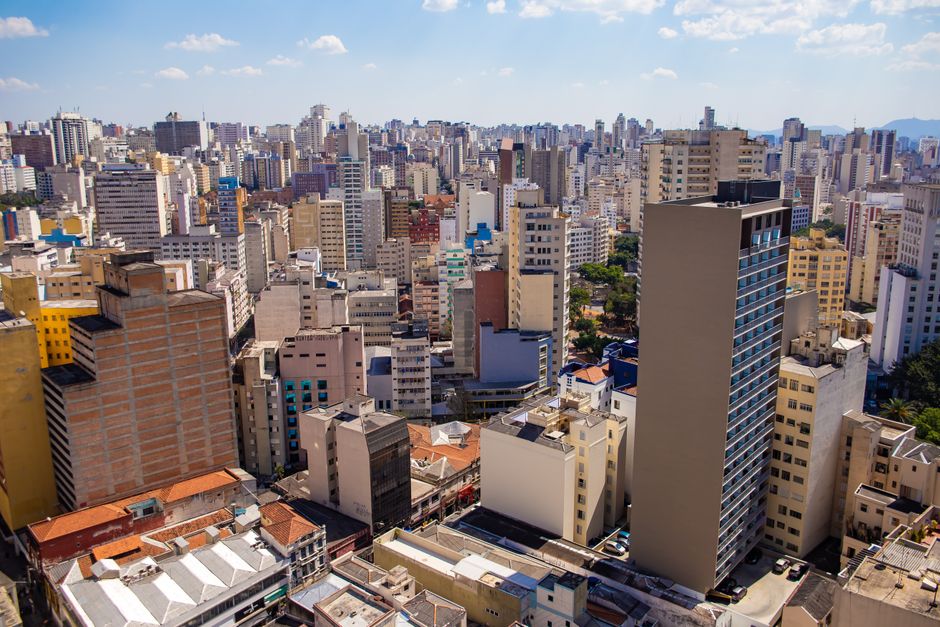
The gleaming office towers of Avenida Faria Lima no longer tell the whole story of São Paulo's tech boom. Walk through Vila Madalena or Pinheiros these days, and you'll find a different kind of startup ecosystem thriving in converted warehouses and co-working spaces—one increasingly centred on artificial intelligence.
Data from regional venture capital firms reveals the scale of the shift. Investment in AI-focused startups across Greater São Paulo reached $847 million in 2025, nearly triple the $283 million deployed in 2023. This year is tracking even higher, with major funding announcements arriving monthly as both domestic and international investors recognise the city's potential as a regional AI hub.
The momentum has reshaped the physical landscape of the city's tech quarters. Along Rua Bandeira in Vila Madalena and around the Largo da Batata, landlords are racing to convert ground-floor retail into tech offices, with monthly rents climbing 12-15 per cent in the past eighteen months. Established co-working spaces like those in the Pinheiros neighbourhood report 94 per cent occupancy, with waiting lists for desks increasingly dominated by AI and machine learning teams.
The investment surge reflects a broader recognition: São Paulo sits at a unique intersection of market opportunity and technical talent. The city's 12 million residents represent a testing ground for consumer-focused AI applications, while Brazilian universities continue producing skilled engineers and researchers willing to work at startup salaries considerably lower than counterparts in San Francisco or Berlin.
Sectors traditionally considered mature are being disrupted by this influx. Agricultural technology firms, leveraging AI for crop optimisation, have attracted particular attention from investors betting on Brazil's massive agribusiness sector. Similarly, financial services startups developing AI-driven credit assessment tools have secured substantial rounds, sensing an opportunity to serve Brazil's underbanked population more efficiently than legacy institutions.
The growth hasn't gone unnoticed by global players. International venture capital firms have opened dedicated São Paulo offices in the past two years, while major tech corporations from the US and Europe have expanded their research and development operations in the city.
Yet challenges remain. Infrastructure gaps, inconsistent regulatory clarity around data protection and algorithmic transparency, and brain drain to international opportunities continue to constrain the ecosystem. Nevertheless, the trajectory is unmistakable. São Paulo is cementing its position not just as Brazil's financial centre, but as the country's genuine capital of technological innovation.
This article was compiled by AI from the sources linked above and screened before publishing. See our editorial standards.