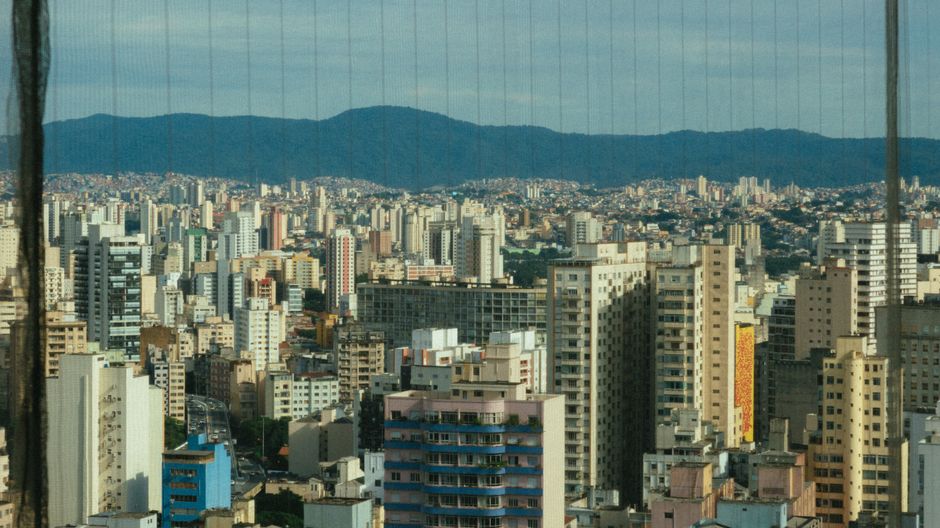
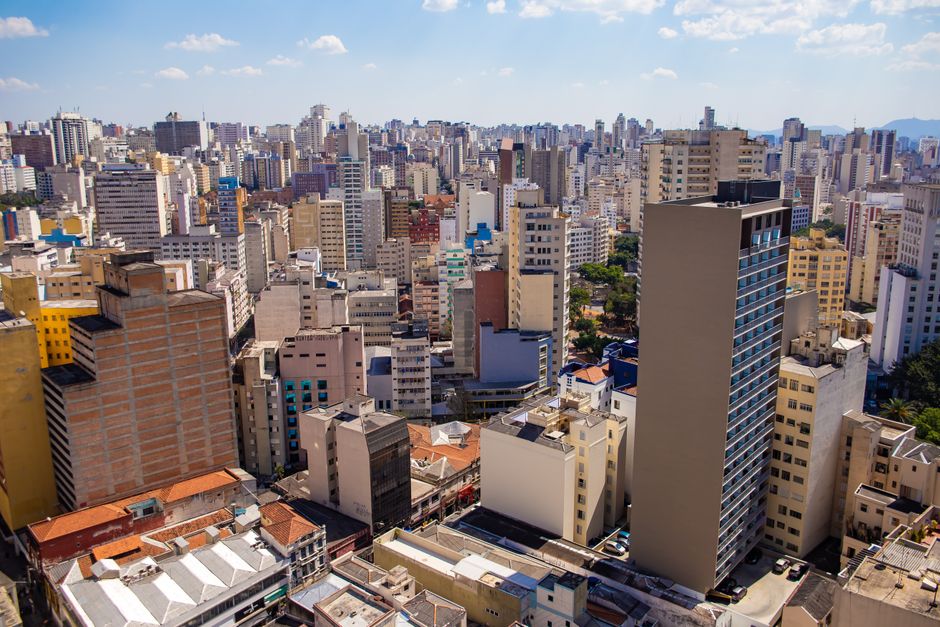
São Paulo's push to become a smart city is accelerating. The city has invested over R$2.8 billion since 2020 in digital infrastructure, from sensor networks monitoring Avenida Paulista's traffic flow to AI-powered systems analyzing water usage across favelas. By 2025, municipal agencies promised to migrate 80% of public services online. Yet beneath the shiny promise of efficiency lies a tangle of unresolved ethical questions.
At the heart of the tension: who benefits, and who bears the costs? When the city deployed real-time CCTV analytics in Centro and Vila Mariana, crime dropped by 12% in official statistics—but residents in peripheral neighborhoods like Capão Redondo reported increased police stop-and-search incidents. The algorithmic targeting that enabled the reduction disproportionately flagged low-income areas, raising uncomfortable questions about bias baked into the code.
"We're automating human prejudice," says the sentiment echoing through São Paulo's tech community. The city's nascent Digital Rights Commission, established in late 2024, has identified critical gaps: no mandatory algorithmic audits, no clear consent mechanisms for data collection, and minimal transparency around how municipal AI systems make decisions affecting service delivery.
The practical stakes are enormous. São Paulo's health department now uses predictive algorithms to allocate resources to UPA (emergency care units) across the city's 96 districts. In theory, this optimizes care. In practice, neighborhoods historically underserved by public health—parts of the São Miguel Paulista and Itaquera zones—risk being deprioritized by systems trained on biased historical data. City officials insist safeguards exist, yet independent review remains limited.
Then there's the question of digital divides. While Zona Sul and Pinheiros gain seamless e-governance portals accessible via fiber internet, residents in more peripheral areas still lack reliable broadband. A R$450-per-month smart city integration package announced for downtown São Paulo feels abstract to neighborhoods where median household income hovers around R$2,000 monthly.
The conversation is shifting, though. Civil society organizations and academic institutions—particularly the University of São Paulo's Center for Digital Rights—are demanding mandatory public consultations before deployment of surveillance or algorithmic systems. Tech entrepreneurs building govtech solutions speak increasingly of "ethics-by-design" as competitive advantage.
São Paulo's smart city moment need not be a cautionary tale. But it requires honest acknowledgment: digital transformation without equity guardrails risks automating and amplifying the city's existing inequalities at scale. The technology is powerful. The governance framework must match.
This article was compiled by AI from the sources linked above and screened before publishing. See our editorial standards.