São Paulo tourism spending surges as investment flows shift
Visitor spending rebounds across hotels and cultural districts, reshaping which neighbourhoods capture capital and Brazil's tourism economy trajectory.
Visitor spending rebounds across hotels and cultural districts, reshaping which neighbourhoods capture capital and Brazil's tourism economy trajectory.
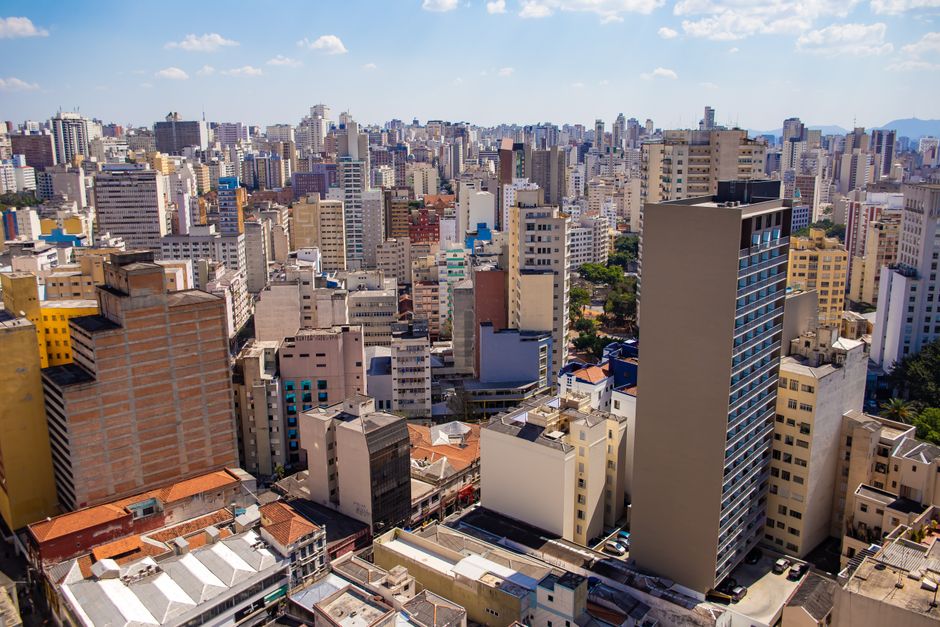
São Paulo's visitor economy is sending mixed but broadly positive signals to investors scanning Brazil's economic landscape. Hotel occupancy rates in the Bela Vista and Consolação neighbourhoods have climbed to 72 percent this quarter—up from 64 percent a year ago—while international arrivals through Congonhas and Guarulhos airports have increased 14 percent year-over-year, according to figures from the São Paulo Convention & Visitors Bureau.
What do these numbers mean for capital flows? Consider the investment activity in the Centro district. Three major hospitality groups have announced renovation projects totalling R$280 million along Avenida Paulista and surrounding blocks, targeting the upscale leisure segment. These aren't speculative bets; they reflect genuine confidence in sustained demand. When hotel groups commit capital to eight-year depreciation schedules, they're reading market fundamentals, not headlines.
Foreign exchange earnings from tourism tell a clearer story still. In the first half of 2026, visitors spent an estimated $1.2 billion in the city, representing a 9 percent gain from the same period last year. That money enters the local economy through direct channels—restaurant bills in Vila Madalena, museum entries in Pinacoteca do Estado, shopping at Rua Oscar Freire—and indirect multipliers through staff wages and supplier contracts.
Yet investment geography matters. While luxury segments in Pinheiros and Jardins attract premium positioning, mid-range properties in Tatuapé and Penha report tighter margins. This asymmetry signals where capital is actually flowing: toward destination experiences and branded environments rather than volume-driven accommodation.
The municipal government's tourism secretariat has tracked spending patterns with precision. Average daily visitor expenditure now reaches R$890 across all categories, up from R$760 two years ago. That metric—often overlooked in quarterly headlines—indicates rising spending depth, not just more bodies moving through Ibirapuera Park.
What's driving confidence among investors? Several tangible factors. Direct flights from São Paulo to Miami and Europe have increased frequency by 18 percent this calendar year. Corporate event bookings at venues like Transamerica Expo Center are running 22 percent ahead of projections. Business tourism, often underestimated, now accounts for 41 percent of total visitor spending, anchoring demand during off-peak seasons.
Currency fluctuations remain a wildcard. The real's relative weakness against the dollar has made São Paulo cheaper for North American tourists, yet more expensive for domestic visitors from other regions. This creates a pivot toward international-facing investments and services.
For investors and business leaders, the data suggests São Paulo's tourism sector isn't experiencing a speculative bubble but rather a structural shift toward higher-yield, experience-driven segments. Capital will continue flowing toward properties, restaurants, and services that capture that trend.
This article was compiled by AI from the sources linked above and screened before publishing. See our editorial standards.
How does this story make you feel?
Spread the word
About this article
Published by The Daily São Paulo
Daily brief
Free, in your inbox before 7am. Weekdays.
More in Business