Restaurant Labour Costs São Paulo 2026: What's Changed
Labour costs now consume 35-40% of São Paulo restaurant revenue. Learn how Pinheiros and Vila Madalena establishments are adapting to wage pressures and changing consumer spending.
Labour costs now consume 35-40% of São Paulo restaurant revenue. Learn how Pinheiros and Vila Madalena establishments are adapting to wage pressures and changing consumer spending.
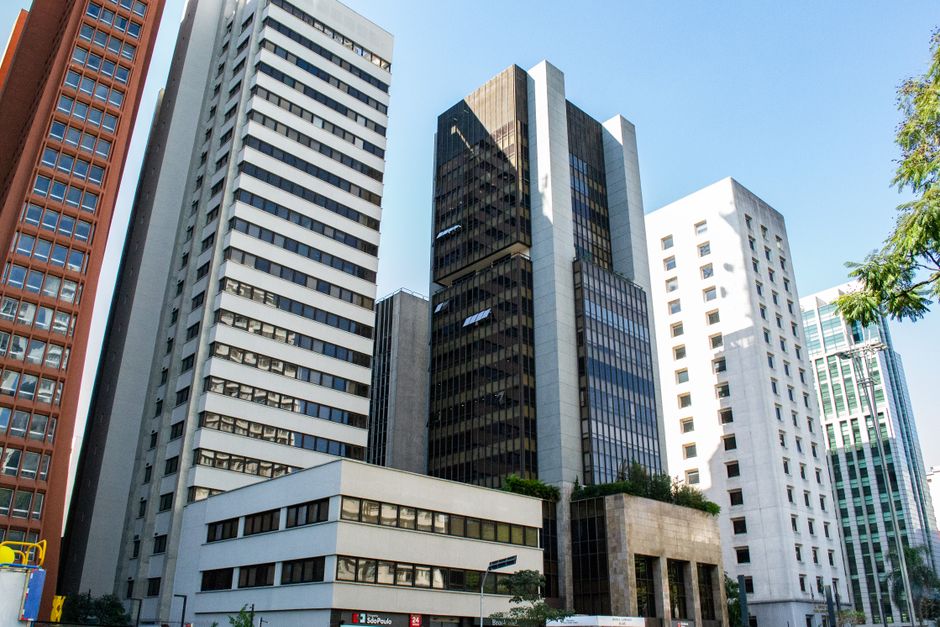
São Paulo's retail and hospitality sectors are navigating a complex landscape as mid-2026 brings mounting pressures on operational margins and shifting customer expectations. Business owners across Pinheiros, Vila Madalena, and the traditional Rua Oscar Freire corridor are reassessing strategies as labour costs climb and discretionary spending patterns evolve.
The challenge is particularly acute in the food service sector, where wage pressures have intensified following recent collective bargaining agreements. Restaurants and cafés in high-traffic areas report labour costs consuming 35-40 percent of revenue—up from the historical 28-32 percent range. This has forced establishments to make difficult choices: absorb costs through reduced margins, raise menu prices, or streamline operations through automation and staffing adjustments.
Consumer behaviour data reveals telling patterns. Mid-range dining establishments report plateauing footfall, while both ultra-premium venues and casual fast-casual concepts show resilience. This bifurcation suggests consumers are becoming more selective, abandoning the middle market. Delivery platforms, which now account for roughly 30 percent of food sales across major neighbourhoods, continue reshaping how restaurants operate, though commission structures of 20-30 percent remain a significant drag on profitability.
Retail dynamics are equally complicated. Traditional shopping districts along Avenida Paulista and Rua Augusta report mixed results. Smaller independent retailers struggle against e-commerce competition and rising rents, while flagship stores and experiential retail concepts attract foot traffic. Notably, several established fashion boutiques have downsized or shifted toward hybrid models combining physical showrooms with direct-to-consumer digital sales.
The hospitality segment—hotels, pousadas, and serviced accommodation—benefits from strong domestic tourism and business travel resumption. However, operators warn that margins remain compressed. Average daily rates across mid-range hotels near Consolação and Bela Vista have risen modestly, but occupancy rates fluctuate based on corporate calendar and currency volatility affecting international arrivals.
Industry observers emphasise that businesses succeeding now share common traits: operational efficiency through technology adoption, clear value propositions that justify pricing, and flexibility in responding to demand signals. Trade associations representing hospitality businesses highlight the importance of professional training and staff retention strategies, as turnover remains elevated across service roles.
For entrepreneurs and established operators alike, the message is clear: the days of passive management are ending. Those investing in customer experience, supply chain optimisation, and data-driven decision-making are positioning themselves to weather the current transition phase.
This article was compiled by AI from the sources linked above and screened before publishing. See our editorial standards.
How does this story make you feel?
Spread the word
About this article
Published by The Daily São Paulo
Daily brief
Free, in your inbox before 7am. Weekdays.
More in Business