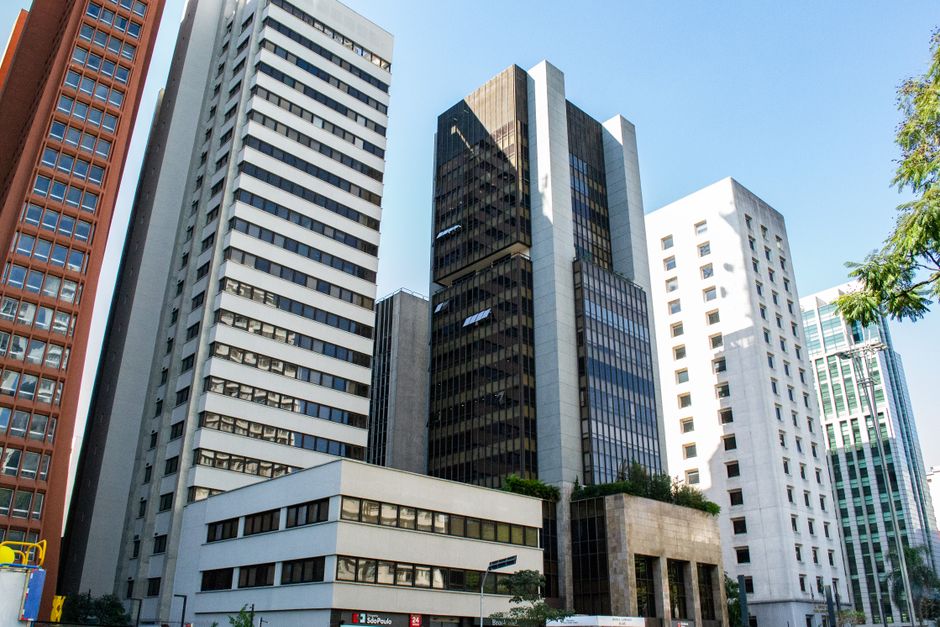
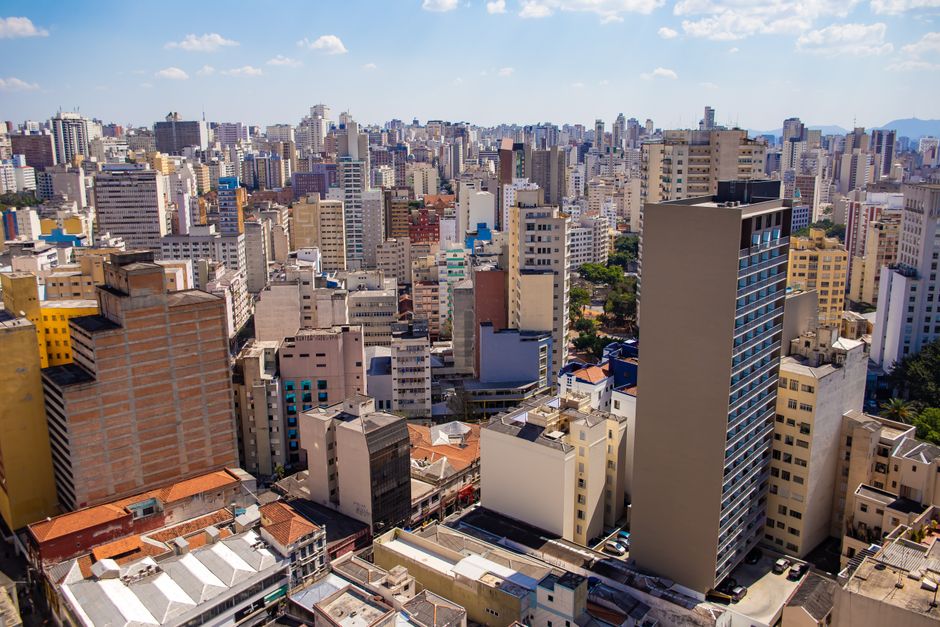
São Paulo's Metro Expansion Fuels Housing Investment Boom
As rental prices surge in central areas, investors target emerging neighborhoods along new transit lines where affordability remains within reach.
As rental prices surge in central areas, investors target emerging neighborhoods along new transit lines where affordability remains within reach.
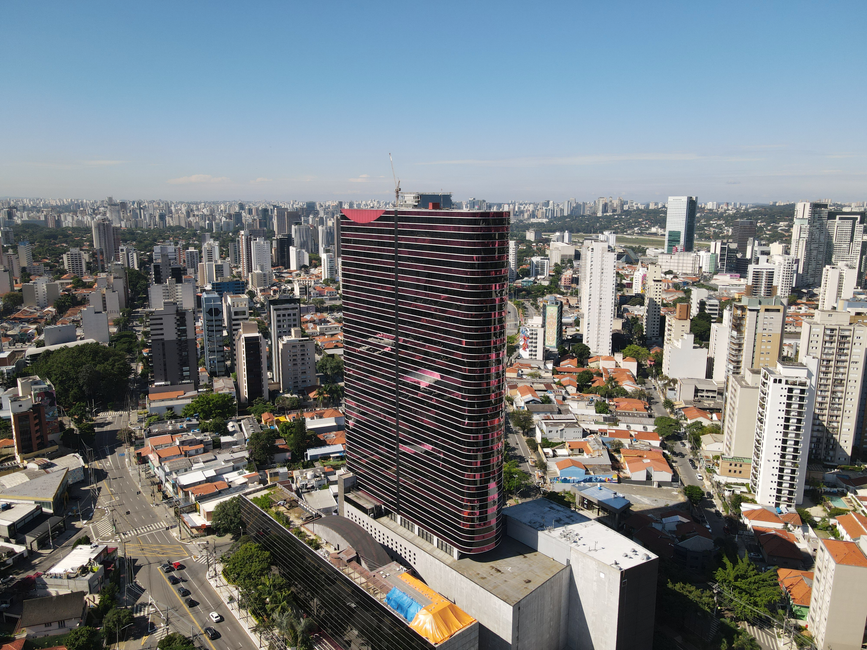
The mathematics of São Paulo's housing crisis is becoming impossible to ignore. A two-bedroom apartment in Pinheiros now commands monthly rent above R$4,500, while comparable units in Tatuapé hover around R$2,800—a gap that has triggered a quiet but decisive shift in where the city's professionals choose to live and where savvy investors are deploying capital.
This migration is creating tangible opportunities for those positioned early. Real estate agents working the Vila Mariana to Zona Leste corridor report that condominium developments along the expanding Metro Line 6 (currently under construction toward Guarulhos) are selling at a 40 per cent premium compared to equivalent properties just three kilometres away. The play is simple: connect the dots between transportation infrastructure and residential demand.
"The professionals who would have anchored themselves in Vila Madalena five years ago are now looking at neighbourhoods like Penha and São Miguel Paulista," explains the logic behind recent investment patterns. Young professionals earning between R$8,000 and R$15,000 monthly are discovering that purchasing power stretches further east, while developers and micro-investors recognise the arbitrage window remains open—though closing fast.
The opportunity has not escaped institutional attention. Three significant real estate funds launched in the past eighteen months have explicitly targeted emerging zones with infrastructure catalysts. Meanwhile, individual investors—often professionals themselves—are moving quickly. Property listings in Itaquera and Ermelino Matarazzo show acquisition velocity double that of 2024.
What complicates the picture is timing. Interest rates remain elevated at 10.5 per cent, making mortgage calculations unforgiving for those without substantial downpayments. Yet this friction is precisely what benefits early movers with capital already deployed: as rates gradually decline (markets price in reductions by 2027), properties purchased today at current valuations could appreciate sharply relative to replacement cost.
The human cost deserves acknowledgment. Families priced out of established neighbourhoods face longer commutes, higher transport expenses, and disrupted community networks. The density now planned for outlying areas raises legitimate questions about infrastructure adequacy—water, sanitation, schools.
Still, from a purely economic lens, the emerging geography of São Paulo housing presents a window where information asymmetry and timing create real returns for investors willing to look beyond Zona Sul. Those who recognised this shift six months ago are already ahead. For those watching now, the mathematics suggest the window remains open—but narrowing.
This article was compiled by AI from the sources linked above and screened before publishing. See our editorial standards.
How does this story make you feel?
Spread the word
About this article
Published by The Daily São Paulo
Daily brief
Free, in your inbox before 7am. Weekdays.
More in Business