São Paulo Water Crisis 2024: What It Costs You
Water rationing spreads across Vila Madalena, Perdizes, and Zona Leste as tariffs rise 12%. See how São Paulo's sustainability push affects your bills and daily life.
Water rationing spreads across Vila Madalena, Perdizes, and Zona Leste as tariffs rise 12%. See how São Paulo's sustainability push affects your bills and daily life.
When the municipal government announced its expanded water rationing plan last month, residents across Vila Madalena and Perdizes faced an uncomfortable truth: São Paulo's environmental challenges are no longer distant policy concerns—they're affecting daily life in immediate, tangible ways.
The São Paulo Metropolitan Region's water crisis has intensified over the past eighteen months, with reservoir levels fluctuating between 35 and 45 percent capacity. For apartment dwellers in neighbourhoods like Higienópolis and Consolação, water restrictions now mean limited showers during peak hours and outdoor watering bans. More significantly, water tariffs have climbed roughly 12 percent year-on-year, squeezing household budgets across income levels.
But local sustainability initiatives are beginning to shift the equation. The Secretaria Municipal do Verde e Meio Ambiente has expanded its green roof subsidy programme, offering rebates up to R$ 150 per square metre for residential and commercial installations. In Pinheiros, several apartment complexes have already taken advantage, reducing building temperatures by up to 3 degrees Celsius and cutting air-conditioning costs by an estimated 18 percent during summer months.
The broader picture reveals why residents should care. São Paulo generates approximately 78,000 tonnes of waste daily. The city's expanding selective collection programme—now covering neighbourhoods from Itaim Bibi to Zona Leste suburbs—creates measurable economic benefits. Residents participating in the programme report reduced waste management fees, while informal recyclers in communities like Sapopemba gain access to better-organised collection points and fairer compensation.
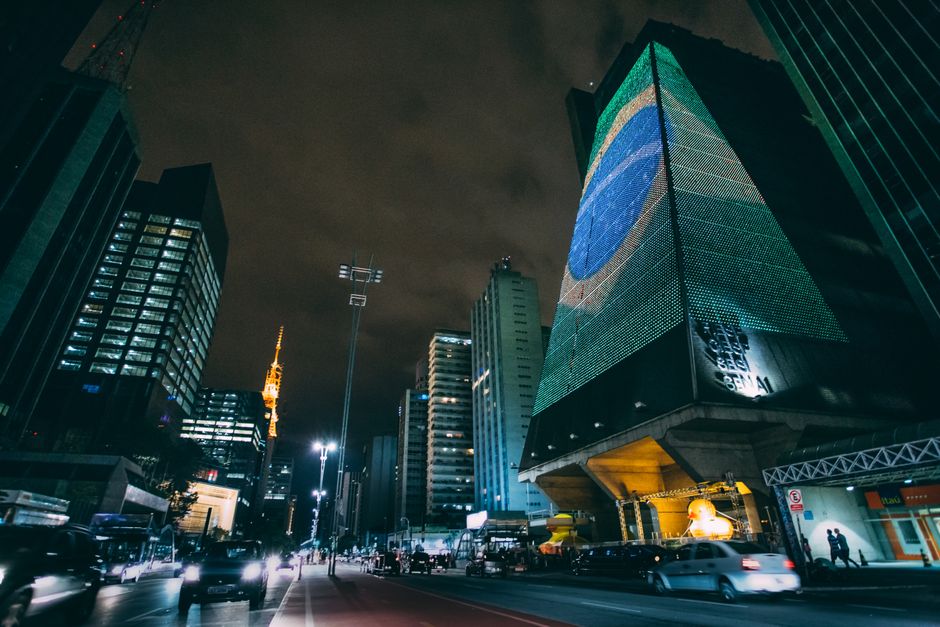
Public transport investments offer another direct community benefit. The expansion of cycling infrastructure along Avenida Paulista and into residential areas like Aclimação provides commuters with affordable alternatives to increasingly expensive car usage. A monthly metro pass costs R$ 88, compared to monthly parking expenses that frequently exceed R$ 400.
The Parque da Luz restoration project and ongoing revitalisation of green spaces in Centro and Bom Retiro demonstrate how environmental work transforms neighbourhood safety and property values. Community gardens sprouting across Zona Leste—from Vila Prudente to Itaquera—provide fresh produce access in food deserts while strengthening local bonds.
Yet challenges remain. Implementation remains uneven across wealthy and poorer neighbourhoods. Sustainability initiatives sometimes concentrate in central zones, leaving peripheral communities like Guarulhos and Itapecerica da Serra with minimal access to programmes.
For São Paulo residents, the equation is clear: environmental sustainability isn't abstract environmentalism—it's infrastructure that determines whether your water bill doubles, how easily you commute, and whether your neighbourhood has clean air and accessible green space. As the city navigates its environmental constraints, every resident has a stake in how these initiatives develop and distribute their benefits.
This article was compiled by AI from the sources linked above and screened before publishing. See our editorial standards.
How does this story make you feel?
Spread the word
About this article
Published by The Daily São Paulo
Daily brief
Free, in your inbox before 7am. Weekdays.
More in News