São Paulo's relationship with infrastructure feels perpetually caught between ambition and reality. The city's ongoing expansion of the Metro Line 6, which has consumed nearly a decade and billions in reais since construction began in the early 2020s, illustrates a tension playing out differently in peer megacities like Istanbul, Mexico City, and Jakarta—each grappling with congestion, aging systems, and the astronomical costs of moving millions daily.
The Line 6 project, stretching from Brasilândia in the north toward the centre, exemplifies São Paulo's challenge. At approximately R$800 million per kilometre—among the world's highest construction costs—the expansion has faced repeated delays. By contrast, Mexico City's recent Metro extensions, while also expensive, have managed faster timelines by streamlining environmental reviews. Istanbul's newer metro segments, built with significant German investment, achieved economies of scale that São Paulo has struggled to replicate.
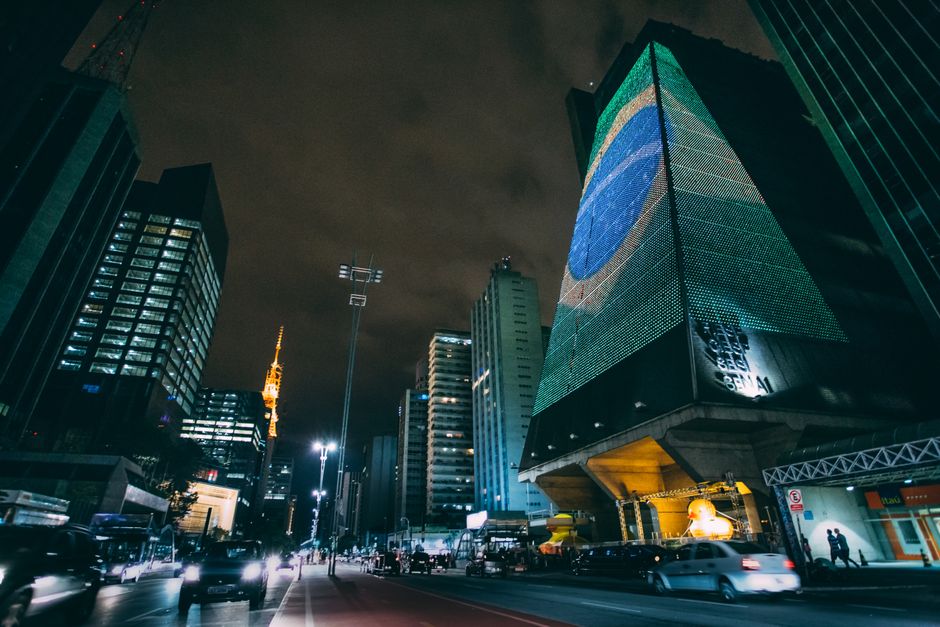
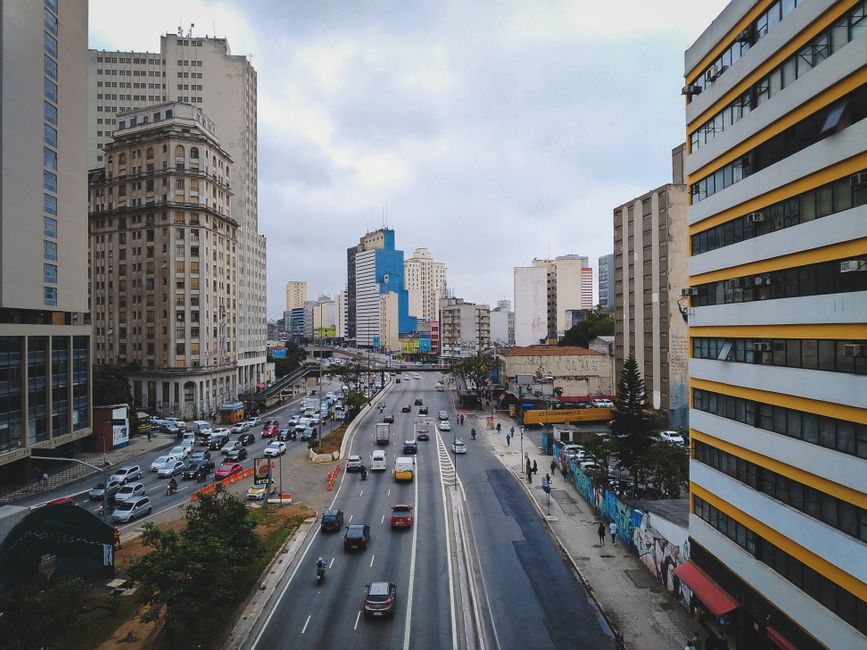
Yet São Paulo is innovating in other domains. The city's bus rapid transit corridors—particularly the systems serving Avenida Paulista and the Marginal Pinheiros—have drawn international delegations studying alternatives to rail expansion. These corridors move roughly 800,000 passengers daily with minimal capital outlay compared to subway construction. Bogotá's TransMilenio system, which inspired similar designs globally, remains São Paulo's closest comparable model, though local analysts note the Brazilian city has proven more flexible in adapting routes to neighbourhood density patterns.
The Metropolitan Company of São Paulo (Metrô) and bus operators face a structural problem familiar to global peers: maintenance backlogs. The city's oldest Metro lines, built in the 1970s and 80s, require increasingly expensive rehabilitation. Tokyo and London addressed comparable aging infrastructure through sustained public funding; São Paulo has relied more heavily on private concessions, a strategy with mixed results visible in service reliability across the ViaMobilidade and other operated lines.
Planners also grapple with the suburban sprawl that defines São Paulo differently than denser cities. Unlike Barcelona or Copenhagen, where metro systems radiate outward to defined urban limits, Greater São Paulo sprawls across 39 municipalities. The recently approved expansion toward ABC region reflects lessons learned from failed attempts to impose artificial service boundaries.
Industry observers suggest São Paulo's real lesson comes not from matching global timelines but from selective borrowing. The city adopted Singapore's congestion charging model for study; it's watching Seoul's automated bus system rollout; it's learning from London's successful public-private partnerships while avoiding some of their pitfalls.
The question isn't whether São Paulo moves faster, but whether it moves smarter. On that measure, the jury remains deliberating.
This article was compiled by AI from the sources linked above and screened before publishing. See our editorial standards.