São Paulo's Emergency Response Times Surge in Periphery
Delayed police and fire services are forcing families to relocate, reshaping safety perceptions across the city's outlying neighborhoods.
Delayed police and fire services are forcing families to relocate, reshaping safety perceptions across the city's outlying neighborhoods.
Listen to this article · 3:24
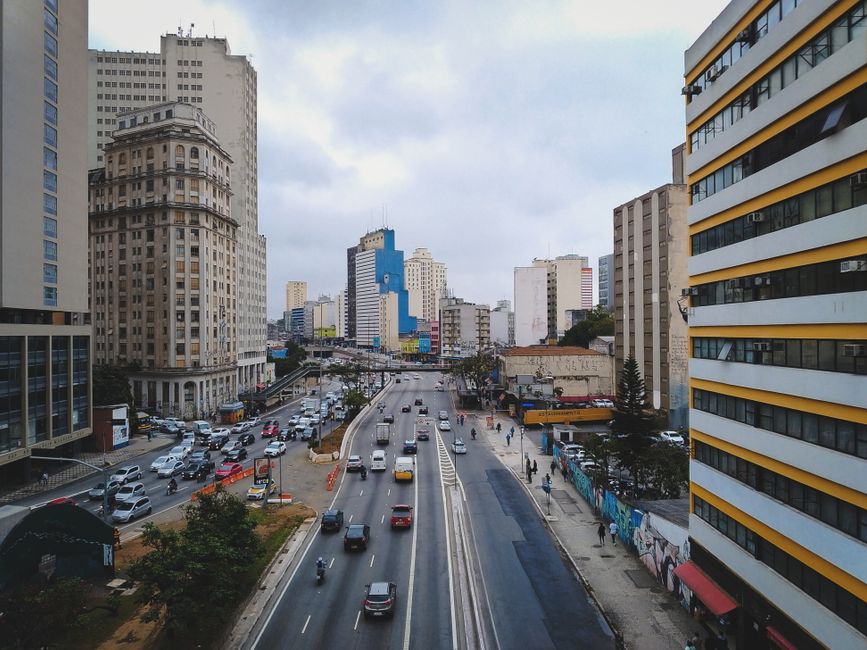
When a robbery erupted on Avenida Paulista last month, police arrived in four minutes. In the same hour, a resident in the Jardim Ângela district waited 47 minutes for officers to respond to a break-in at their small shop. The disparity tells a story reshaping São Paulo's geography of safety—and forcing thousands of families to reassess where they can afford to feel secure.
The São Paulo Fire Department and Military Police have acknowledged what residents already know: response times in peripheral areas like Capão Redondo, Itaquera, and parts of Zona Leste now regularly exceed 30 minutes, compared to the target of 10 minutes across the city. For emergencies, every minute matters. A cardiac arrest victim's survival rate drops 10 percent for every minute without intervention. A fire's spread accelerates exponentially.
The impact ripples through community life in ways officials rarely discuss publicly. Real estate agents report that listings in Zona Sul and Zona Leste are slower to sell. Parents at schools like those near Diadema weigh commute times against safety records when choosing where to enrol their children. Small business owners in neighbourhoods like Sapopemba increasingly absorb the cost of private security—expenses that get passed to customers and squeeze already-thin margins.
The underlying problem is structural. São Paulo's emergency infrastructure hasn't scaled with the city's growth to 12 million residents. The Military Police operates roughly 500 fewer officers than optimal staffing levels suggest, while fire stations in outlying areas operate with chronic underfunding. A report from the Centro de Estudos de Criminalidade e Segurança Pública at USP found that investment in emergency services per capita in São Paulo's periphery remains 60 percent below central zone levels.
Community organisations in neighbourhoods like Vila Madalena and Paraisópolis are responding by creating neighbourhood watch networks and funding their own street lighting improvements—efforts that work but shouldn't replace government responsibility. These initiatives also inadvertently deepen inequality: wealthy residential communities like Morumbi can afford professional security; poorer neighbourhoods cannot.
City Hall has announced plans for ten new fire stations by 2028 and recruitment of 1,500 additional police officers. Whether these commitments materialise will determine whether São Paulo's geography of fear continues its outward creep—or whether safety becomes something the entire city, not just its centre, can take for granted.
This article was compiled by AI and screened before publishing. See our editorial standards.
How does this story make you feel?
Spread the word
About this article
Published by The Daily São Paulo
Daily brief
Free, in your inbox before 7am. Weekdays.
More in News