Vila Madalena Transforms: Gentrification Displaces Residents, Community Fights Back
From bohemian refuge to real estate battleground, the story of one neighbourhood's transformation reveals the deeper tensions reshaping the city.
From bohemian refuge to real estate battleground, the story of one neighbourhood's transformation reveals the deeper tensions reshaping the city.
Listen to this article · 3:36
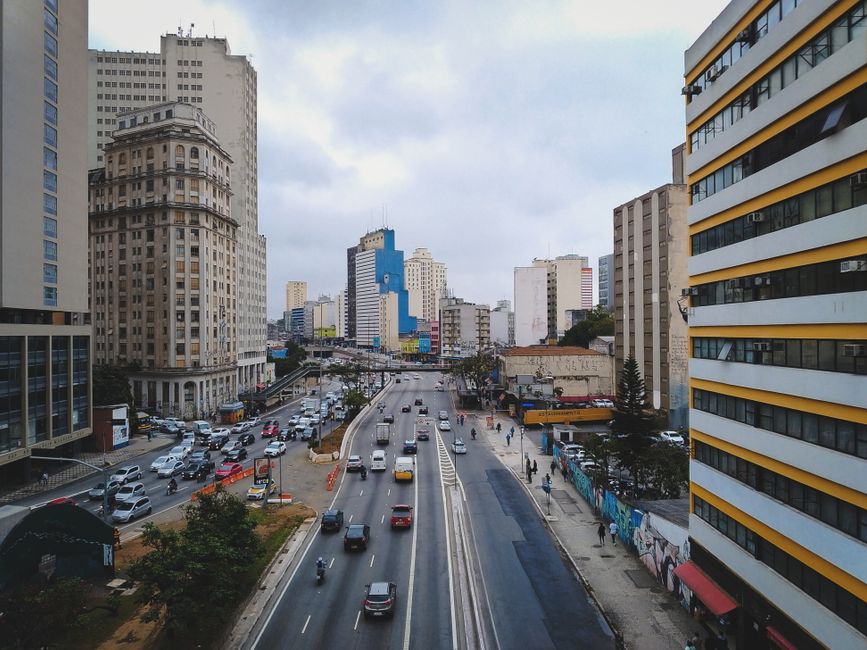
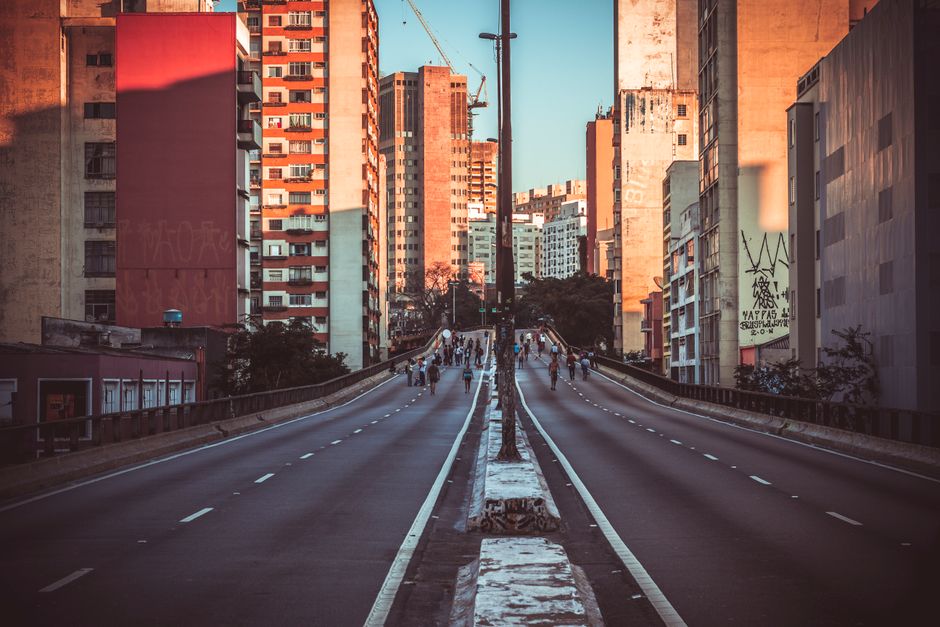
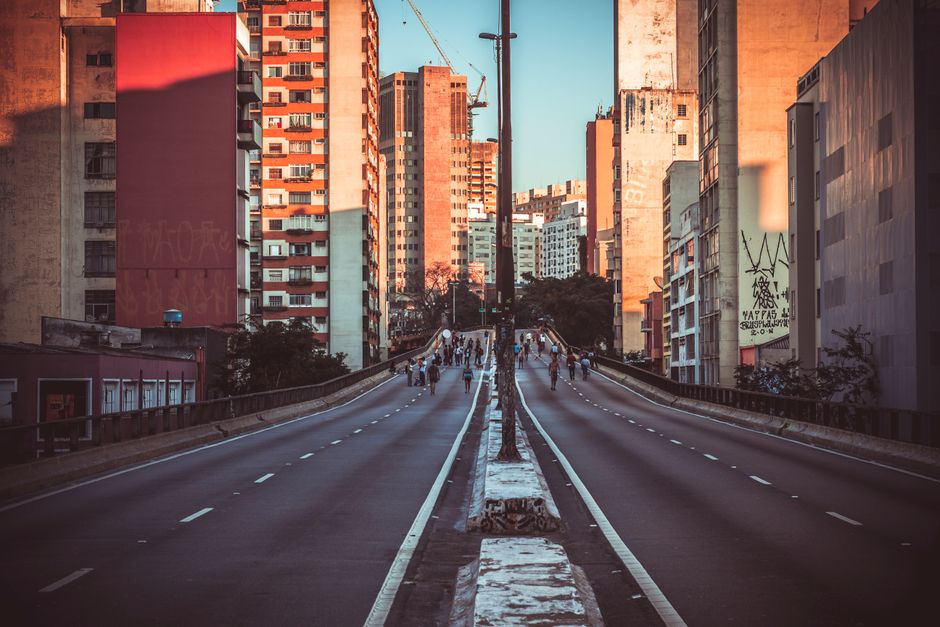
Walk down Rua Aspicuelta on a Friday night in 2026 and you'll see the contradiction made flesh: a craft brewery with R$45 cocktails sits three doors down from a community centre where residents gather to discuss housing rights. This is Vila Madalena in its present form—a neighbourhood caught between two versions of itself, each with competing claims on its future.
The transformation didn't happen overnight, but rather accumulated like sediment. A decade ago, Vila Madalena was known primarily as the creative quarter where artists congregated in converted warehouses and rent remained manageable enough for musicians, photographers, and designers to actually live alongside their studios. The neighbourhood's identity was rooted in this bohemian character—galleries on Rua Fidalga, street art covering every available surface, informal jam sessions spilling onto corners.
Then the investors arrived. Between 2016 and 2024, property values in Vila Madalena increased by approximately 340%, according to real estate analysis firm Zona Imóvel. A two-bedroom apartment that rented for R$1,200 monthly in 2015 now commands R$3,500 or more. The mathematics of displacement are brutal and impersonal.
What followed was predictable but no less painful: the departure of the very people who had made the neighbourhood desirable. Established galleries relocated to less fashionable areas in Brás or Santo Amaro. Long-term residents—many of them elderly—faced impossible choices between pension payments and rent increases. Small family businesses that had operated for twenty years closed as landlords refused to renew leases, banking on the appearance of premium restaurants and international brands.
Yet the neighbourhood's story is not simply one of erasure. Community organisations like Instituto Via Pública and the Associação Comercial da Vila Madalena have become increasingly vocal advocates, pushing back against the narrative that gentrification is inevitable progress. They've documented displacement patterns, organised neighbourhood assemblies, and lobbied city council for rent control measures.
The tension playing out in Vila Madalena mirrors larger questions confronting São Paulo itself: Who has the right to remain in the city? What constitutes authentic community versus exploitable brand? Can neighbourhoods evolve without erasing the people and culture that made them valuable in the first place?
These questions lack simple answers. But they've become impossible to ignore, especially when the evidence of competing claims is written so visibly across every street corner.
This article was compiled by AI and screened before publishing. See our editorial standards.
How does this story make you feel?
Spread the word
About this article
Published by The Daily São Paulo
Daily brief
Free, in your inbox before 7am. Weekdays.
More in News