São Paulo residents ditch fast food for farmers' markets
Community wellness programs show how neighbourhood food connections are reshaping eating habits across the city.
Community wellness programs show how neighbourhood food connections are reshaping eating habits across the city.
Listen to this article · 3:26
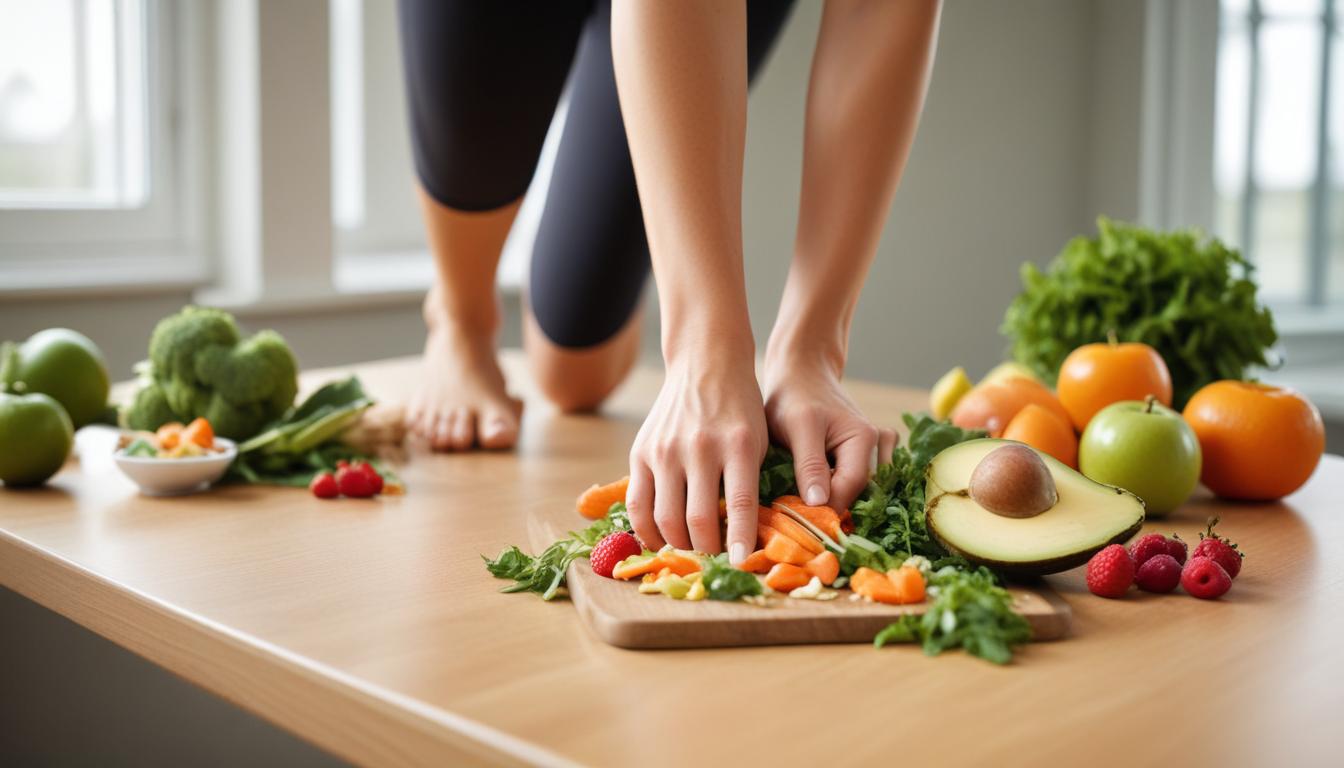
In the Vila Madalena neighbourhood, a quiet revolution is happening in kitchens and community spaces. Residents who once relied on the convenience of downtown fast-food chains are discovering that transformation begins at the Feira da Avenida Brasil, where local farmers sell produce at roughly 30% less than supermarket prices, and where genuine human connection accompanies every transaction.
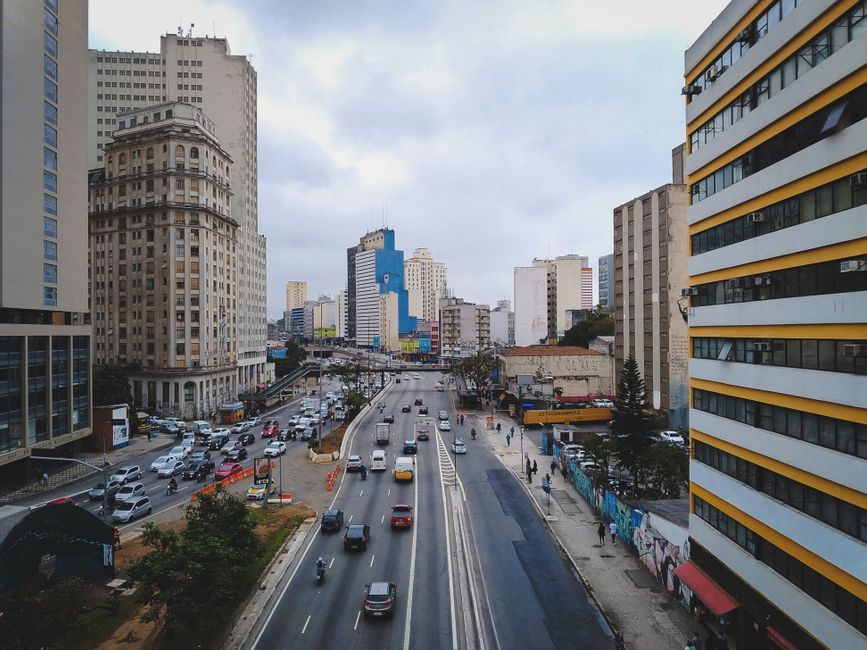
The shift reflects a broader pattern across São Paulo. The city's healthy café culture—concentrated along Rua Oscar Freire and in spots around Pinheiros—has expanded beyond trendy juice bars. Neighbourhood associations are now hosting weekly nutrition workshops in community centres, with attendance up 45% since 2024 according to São Paulo's public health department.
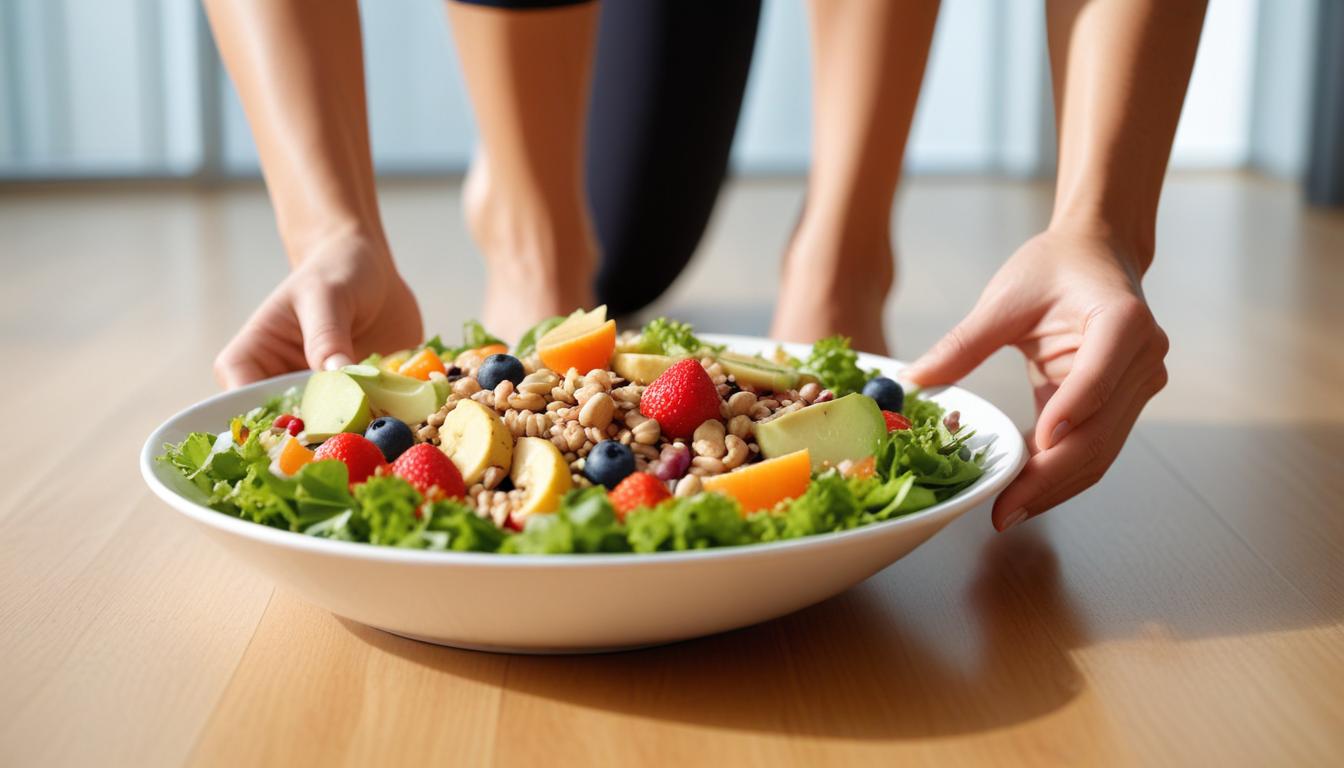
What makes these stories compelling isn't just weight loss or energy gains. It's the structural change: residents learning that sustainable health requires knowing their grocer's name, understanding seasonal availability, and recognising that a kilo of fresh tomatoes from Vila Leopoldina costs less than three ready-made meals. The maths, when people sit down to calculate it, shifts behaviour.
Near Ibirapuera Park, where Sunday cycling culture thrives on Avenida Paulista, a different kind of community is forming. Post-ride nutrition meetups at local cooperatives have become as important as the cycling itself. These informal gatherings—where participants swap recipes using ingredients sourced within São Paulo state—demonstrate that food transformation isn't solitary. It's social.
Hospital das Clínicas nutritionists report increased referrals to community food programmes rather than solely individual dietary counselling. This shift acknowledges what residents already knew: lasting change happens when your neighbour is doing it too, when your market vendor remembers your preferences, when eating well becomes woven into local identity rather than imposed from outside.
The pattern holds across diverse neighbourhoods—from Zona Leste communities organising collective vegetable gardens, to Zona Oeste residents establishing informal recipe-sharing networks. What unites them is recognition that individual nutrition decisions aren't isolated. They're embedded in neighbourhood infrastructure, in relationships with local producers, in the weekly rhythm of visiting the same market.
For those beginning this journey, the entry point remains accessible: visit your nearest neighbourhood farmers' market, ask questions about what's in season, and show up twice. The community-building happens naturally from there. Transformation, as these São Paulo residents demonstrate, isn't a solo venture—it's a neighbourhood affair.
This article was compiled by AI from the sources linked above and screened before publishing. See our editorial standards.
How does this story make you feel?
Spread the word
About this article
Published by The Daily São Paulo
Daily brief
Free, in your inbox before 7am. Weekdays.
More in Wellness