São Paulo Office Collapse Hits Rents, Mortgages
Commercial property values plummet in Pinheiros and Vila Mariana, pushing up housing costs and threatening neighbourhood services.
Commercial property values plummet in Pinheiros and Vila Mariana, pushing up housing costs and threatening neighbourhood services.
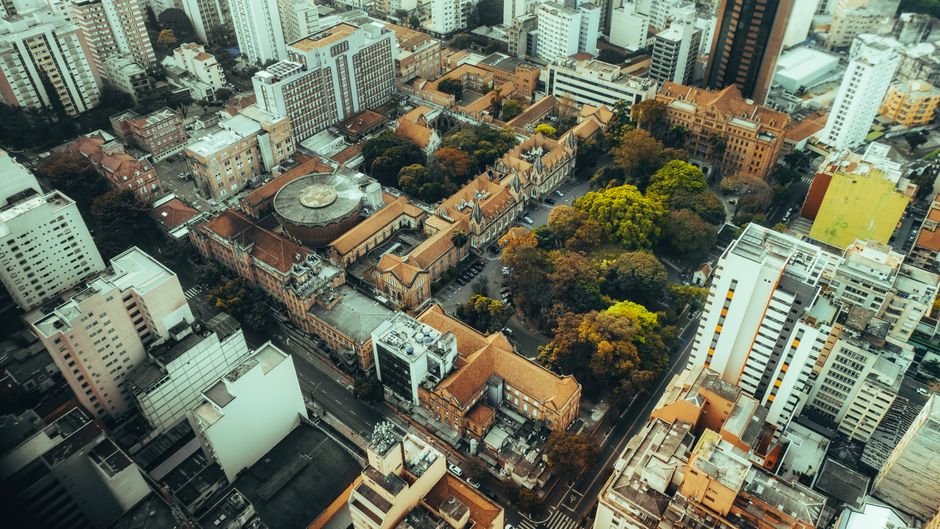
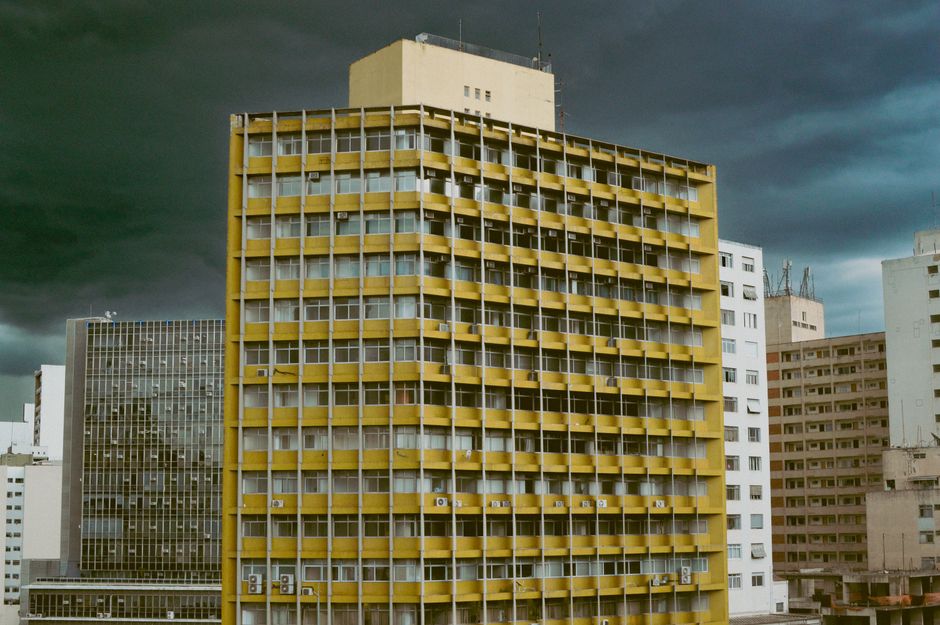
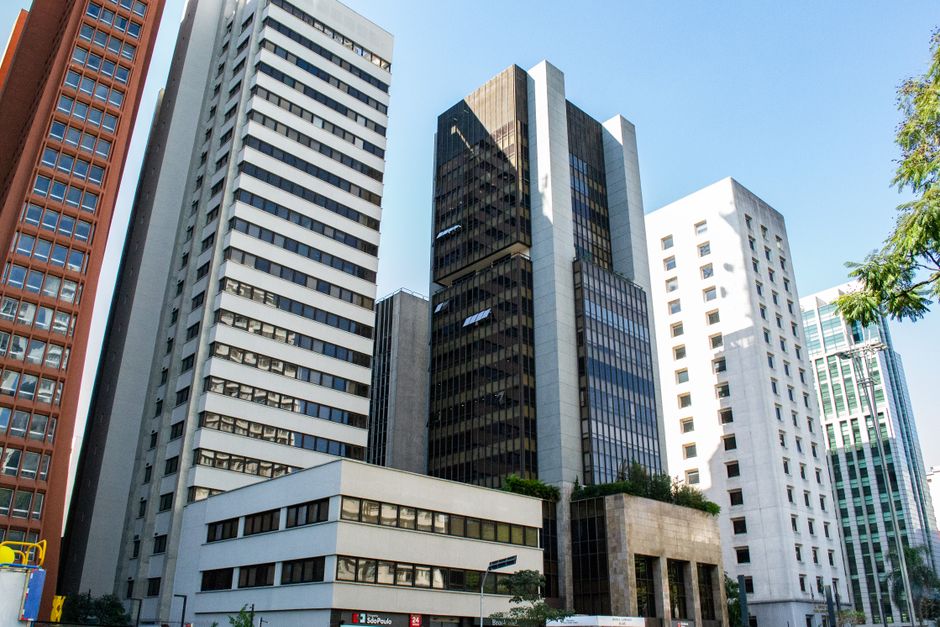
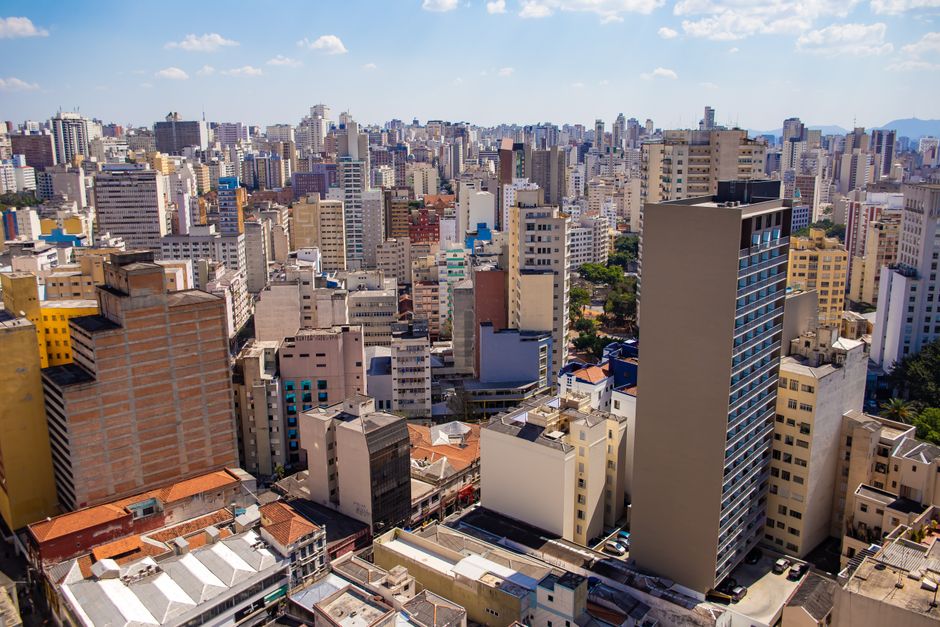
Walk down Avenida Paulista or through the office parks of Vila Mariana these days, and you'll notice something unsettling: empty floors, darkened glass facades, and a creeping sense of abandonment. The commercial property market in São Paulo is undergoing a profound transformation, and while it may seem like a problem for landlords and developers alone, the consequences are rippling directly into the lives of ordinary residents.
The numbers tell a sobering story. Office vacancy rates in Pinheiros have climbed to nearly 18 percent, while rental rates in traditional business zones have fallen by up to 25 percent since 2023. Major corporations—particularly in finance, consulting, and technology—have either consolidated operations into fewer, more efficient spaces or embraced hybrid work models that demand far less physical real estate. Meanwhile, commercial landlords are desperate. Some are converting office towers into residential units, others are slashing prices to near break-even just to keep tenants, and a growing number are simply holding onto empty properties, hoping markets rebound.
But here's what affects you directly. First, neighbourhood economics are shifting. When office buildings empty out, so do the coffee shops, restaurants, and small retailers that depended on worker foot traffic. The Rua Oscar Freire area and surrounding blocks have already seen several closures. Second, your housing market is being distorted. Conversion of commercial space into apartments—while potentially addressing residential supply—often happens without proper urban planning, creating pockets of residential density in areas with inadequate schools, hospitals, and public transport. Third, municipal tax bases are eroding. Fewer occupied commercial spaces mean less revenue for local governments that fund parks, schools, and public services in your neighbourhood.
Real estate experts point to a structural shift rather than a temporary downturn. Remote work, which accelerated during the pandemic, has proven durable. Companies that once needed sprawling office floors for hundreds of employees now operate efficiently with a fraction of that space. This means the oversupply we're seeing isn't going away quickly.
For residents, the practical takeaway is this: watch your neighbourhood carefully. If your area is experiencing visible commercial decline, property values—both residential and commercial—may face pressure. Conversely, some neighbourhoods like parts of Vila Madalena and Mooca are attracting mixed-use development that combines residential, office, and retail thoughtfully. These are becoming the new hubs where communities remain vibrant.
The commercial property crisis isn't just a business story. It's reshaping São Paulo's urban fabric, and your choice of where to live, work, and invest should reflect these deeper currents.
This article was compiled by AI from the sources linked above and screened before publishing. See our editorial standards.
How does this story make you feel?
Spread the word
About this article
Published by The Daily São Paulo
Daily brief
Free, in your inbox before 7am. Weekdays.
More in Business