São Paulo Housing Crisis: Brazil's Favela Legalization Path
How São Paulo is tackling its housing crisis through favela regularization and land legalization in Paraisópolis and Heliópolis—diverging from global city strategies.
How São Paulo is tackling its housing crisis through favela regularization and land legalization in Paraisópolis and Heliópolis—diverging from global city strategies.
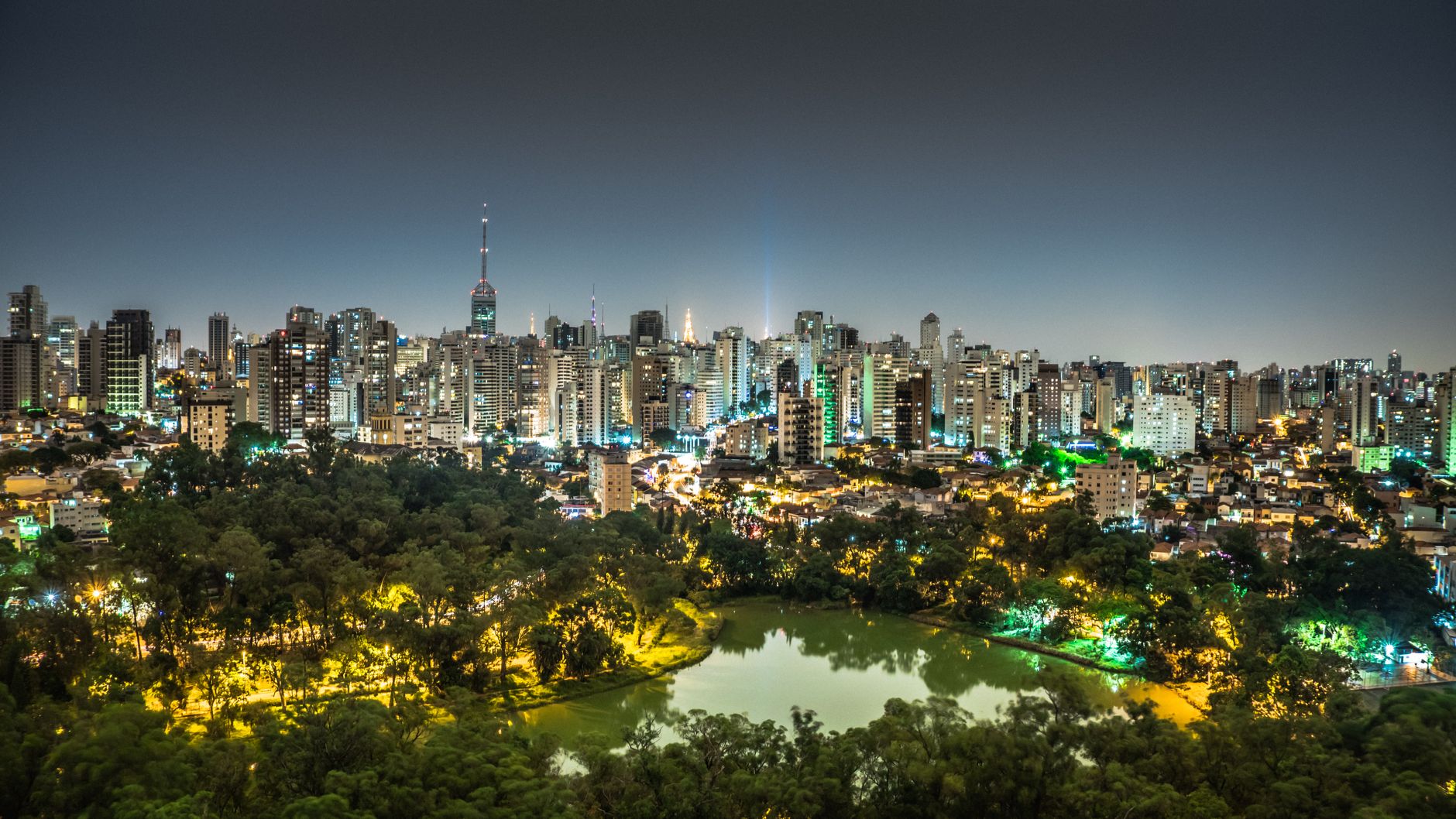
São Paulo's approach to housing policy increasingly diverges from the playbook followed by comparable global cities, revealing both innovation and persistent structural challenges unique to Brazil's urban reality.
While London pushes aggressive densification in zones like King's Cross and Tokyo enforces strict construction limits to preserve neighbourhood character, São Paulo faces a fundamentally different problem: integrating nearly 2 million residents living in irregular settlements. The city's recent decision to accelerate land regularization programs in zones like Paraisópolis and Heliopólis represents a pragmatic acknowledgment that displacement isn't feasible—a stark contrast to Singapore's controversial relocation strategies or Seoul's top-down redevelopment model.
Data reveals the scale. Approximately 11 percent of São Paulo's population inhabits informal housing, compared to roughly 6 percent in Mexico City and 3 percent in Buenos Aires. Yet where those cities pursued demolition-heavy approaches in previous decades, São Paulo's municipal administration has increasingly adopted what planners call the "integration model." The 2016 Master Plan zoned vast areas for incremental densification rather than wholesale reconstruction, allowing residents to formalize properties and gradually improve infrastructure.
Housing costs tell another story. A one-bedroom apartment in Pinheiros averages R$4,500 monthly—comparable to mid-tier London neighbourhoods—while minimum wage earners across the city spend 40-60 percent of income on rent. This mirrors affordability crises worldwide, but São Paulo's response diverges sharply. Rather than implementing London-style social housing mandates requiring developers to include affordable units in new projects, or Vienna's ambitious public housing expansion, the city has prioritized the Minha Casa, Minha Vida federal program, which emphasizes homeownership for lower-income families, often in peripheral zones like Campo Limpo.
The strategy carries trade-offs. Advocates note it builds equity and avoids the rental trap. Critics argue it exacerbates sprawl—São Paulo's metropolitan area expanded to accommodate over 21 million people, creating longer commutes and straining infrastructure far more than denser cities like Barcelona or Amsterdam.
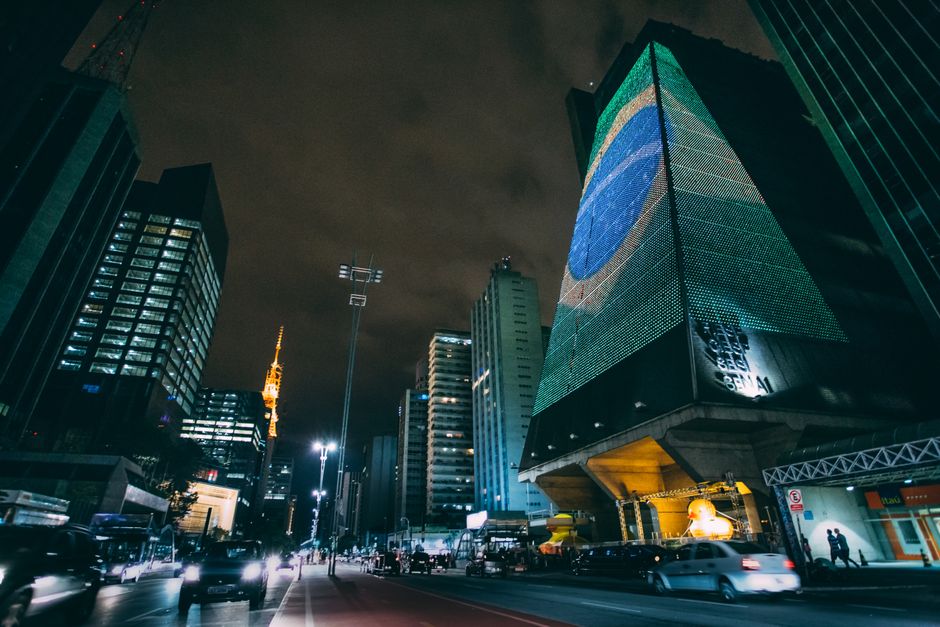
Recent moves by the municipal government to incentivize vertical development along major corridors like Avenida Paulista and near CPTM stations suggest recognition that São Paulo must adopt denser models. Yet unlike Singapore's top-down efficiency or Tokyo's planning precision, São Paulo's housing challenge remains entangled with informal economy dynamics, political clientelism, and limited municipal budgets.
The comparison ultimately reveals less a failure of vision than a city wrestling with problems—scale, informality, inequality—that few global peers face simultaneously.
This article was compiled by AI from the sources linked above and screened before publishing. See our editorial standards.
How does this story make you feel?
Spread the word
About this article
Published by The Daily São Paulo
Daily brief
Free, in your inbox before 7am. Weekdays.
More in News