São Paulo Faces Three Critical Environmental Decisions This Year
Air quality crises and water scarcity push city leaders to act on transit, emissions, and favela sustainability programs.
Air quality crises and water scarcity push city leaders to act on transit, emissions, and favela sustainability programs.
Listen to this article · 3:52
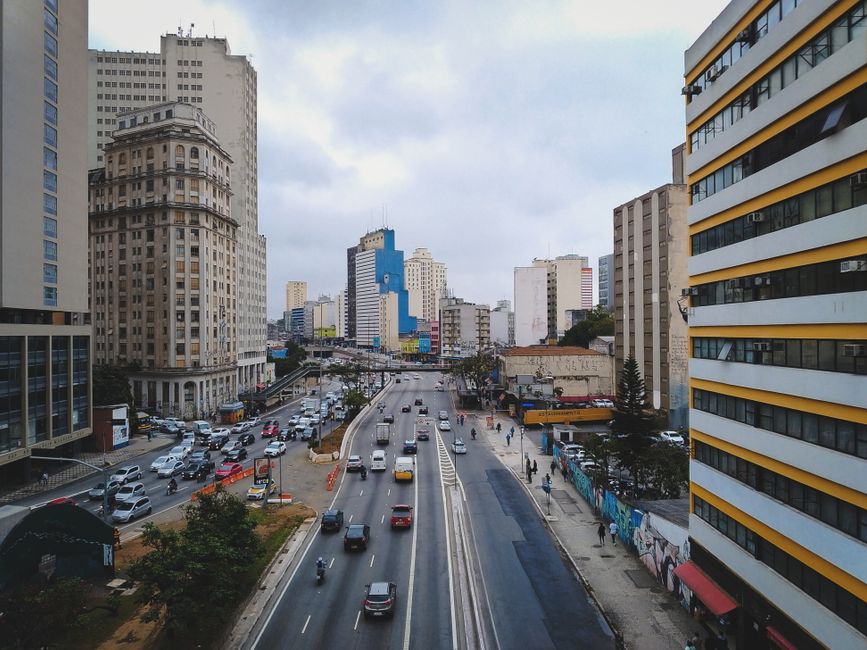
São Paulo stands at an environmental crossroads. With air pollution levels regularly exceeding World Health Organization safety thresholds and the Cantareira water system operating at precarious capacity levels, the city's sustainability trajectory depends entirely on decisions city officials must make before year-end.
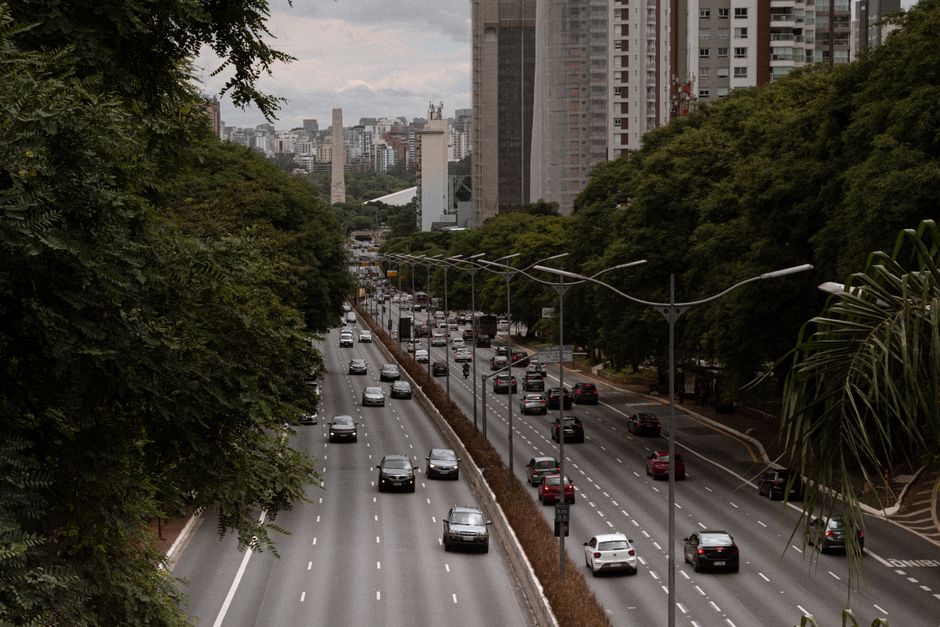
The most pressing issue concerns the expansion of the metro system into peripheral neighbourhoods like Itaquera and Grajaú. The municipal government has allocated R$8.7 billion for Phase 3 of the metro extension, but implementation timelines remain uncertain. Transportation currently accounts for roughly 40 percent of São Paulo's greenhouse gas emissions. Without decisive action on public transit infrastructure by September, the window for 2030 emission reduction targets effectively closes.
Equally critical is the forthcoming industrial emissions regulation review. The São Paulo State Environmental Company (CETESB) must finalize new air quality standards affecting factories in the ABC region—Santo André, São Bernardo do Campo, and Diadema—which collectively generate approximately 35 percent of the metropolitan area's industrial pollution. The decision, expected by late August, will determine whether stricter controls take effect or whether current limits persist.
Less visible but equally consequential is the city's approach to favela sustainability. Nearly 2 million residents across communities like Paraisópolis, Heliopólis, and Complexo do Alemão lack adequate waste management infrastructure. A proposed R$450 million community-led environmental remediation program faces budget scrutiny. If rejected, these neighbourhoods will continue contributing disproportionately to the city's pollution burden while receiving minimal resources for mitigation.
The Pinheiros and Tietê rivers present another decision point. Both waterways remain heavily contaminated despite decades of cleanup promises. São Paulo's water authority must choose between incremental improvements or implementing the €200 million integrated restoration plan—a comprehensive but expensive approach modeled on successful European river rehabilitation projects.
Climate experts emphasize that São Paulo's decisions will reverberate across Brazil's economic heartland. The city generates roughly 16 percent of national GDP; its sustainability initiatives set standards for other major urban centres. The coming months will reveal whether city leadership prioritizes short-term fiscal constraints or long-term environmental viability.
Public consultation periods on all major proposals conclude by August 15. Citizens can engage through the municipal environmental secretariat's website or at neighbourhood assemblies across each administrative zone. The decisions ahead will define whether São Paulo becomes a model for sustainable urban transformation or continues its trajectory as one of Latin America's most polluted megacities.
This article was compiled by AI and screened before publishing. See our editorial standards.
How does this story make you feel?
Spread the word
About this article
Published by The Daily São Paulo
Daily brief
Free, in your inbox before 7am. Weekdays.
More in News