How São Paulo's New Zoning Reforms Are Reshaping the Ultra-Luxury Market
Recent planning decisions in Itaim Bibi and Jardins are forcing developers to recalibrate strategies—and rewriting the rulebook for properties worth R$ 20m and beyond.
Recent planning decisions in Itaim Bibi and Jardins are forcing developers to recalibrate strategies—and rewriting the rulebook for properties worth R$ 20m and beyond.
São Paulo's luxury property sector has long operated in a world of its own, insulated from the regulatory turbulence that buffets middle-market apartments. But a series of planning reforms introduced over the past eighteen months—particularly revisions to floor-area ratios and facade restrictions in premium neighbourhoods—are now forcing the city's wealthiest buyers and developers to reconsider their assumptions.
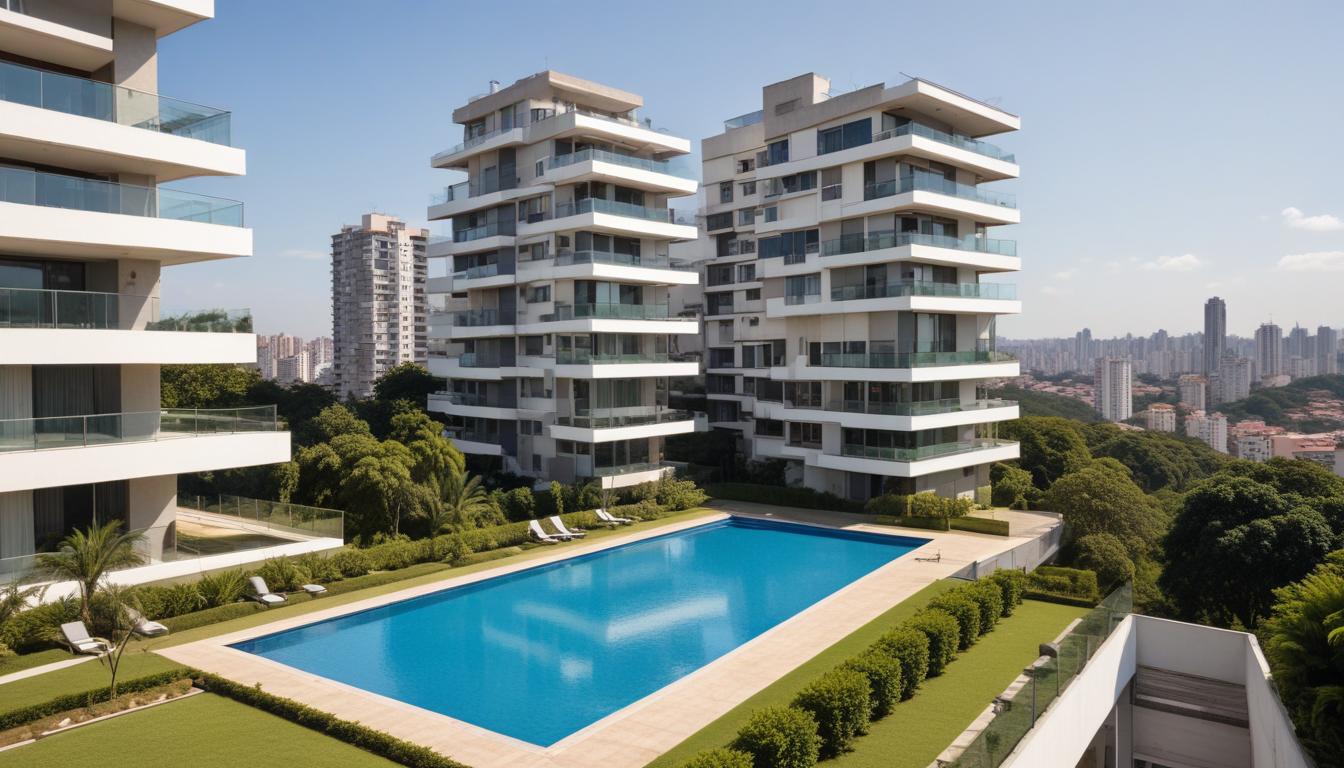
The change hit hardest in Itaim Bibi, where the Prefeitura's updated architectural guidelines for Avenida Brigadeiro Faria Lima have tightened restrictions on building heights and setbacks. Properties that would have commanded R$ 25,000 per square metre under the previous framework are now trading closer to R$ 18,000–22,000, according to recent transactions along the avenue. Developers argue the new rules—enforced through the Secretaria Municipal de Urbanismo—have effectively reduced developable floor space by 15 to 20 per cent, compressing profit margins and stalling several high-profile projects.
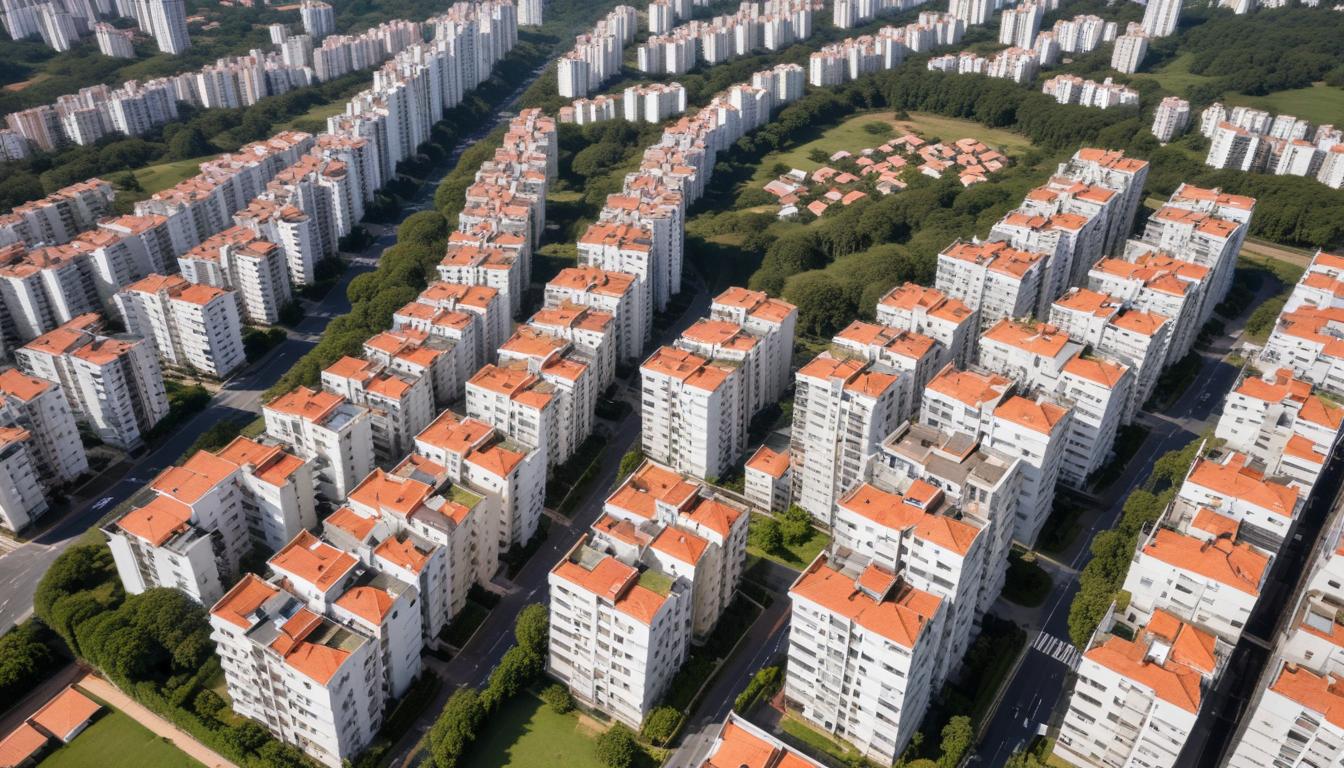
Equally significant is the Prefeitura's decision to expand heritage protection zones in Pinheiros and Vila Madalena. While heritage status typically protects character and property values, it has also introduced new approval timelines and construction restrictions. One notable outcome: buyers seeking maximum flexibility have begun favouring newer developments in previously overlooked corridors like Tatuapé and Mooca, where zoning rules remain comparatively permissive and land prices hover around R$ 12,000–15,000 per square metre.
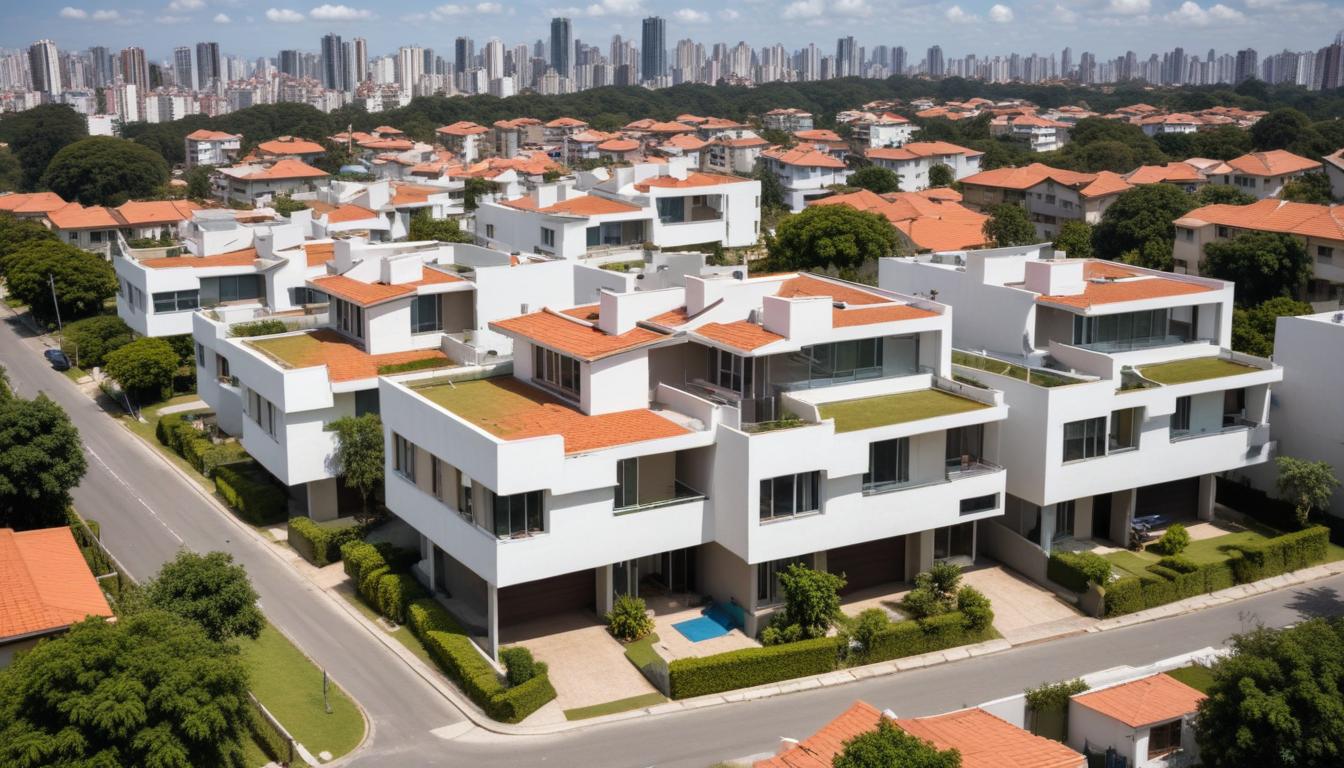
Jardins, historically São Paulo's most exclusive pocket, has experienced a subtler shift. The prohibition on ground-floor commercial use in certain blocks—a rule tightened last year—has made traditional townhouse conversions less attractive for investors. Consequently, acquisitions of standalone mansions on Rua Haddock Lobo and Rua Augusta have slowed, while purpose-built luxury apartments have accelerated.
The cumulative effect suggests the ultra-high-end market is fragmenting by geography and asset type. Ultra-prime addresses command premiums, but the regulatory cost of development there has narrowed the buyer pool to owner-occupiers and long-term hold investors rather than traders seeking quick appreciation.
Market observers note this mirrors global patterns: cities regulating density in premium zones inadvertently concentrate wealth in fewer, smaller pockets while encouraging dispersal to emerging precincts. For São Paulo's luxury sector, the lesson is clear—policy now shapes location strategy as powerfully as brand names or square footage.
This article was compiled by AI from the sources linked above and screened before publishing. See our editorial standards.
How does this story make you feel?
Spread the word
About this article
Published by The Daily São Paulo
Daily brief
Free, in your inbox before 7am. Weekdays.
More in Property