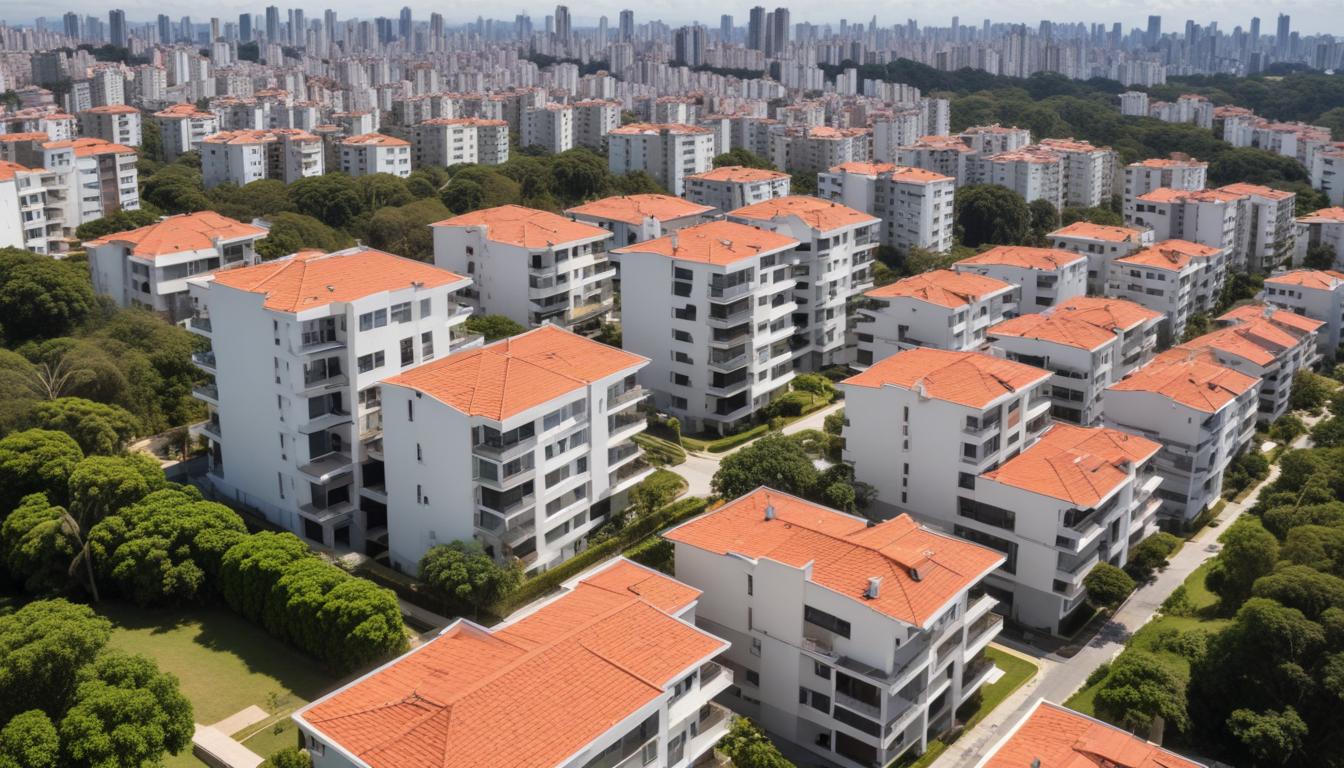
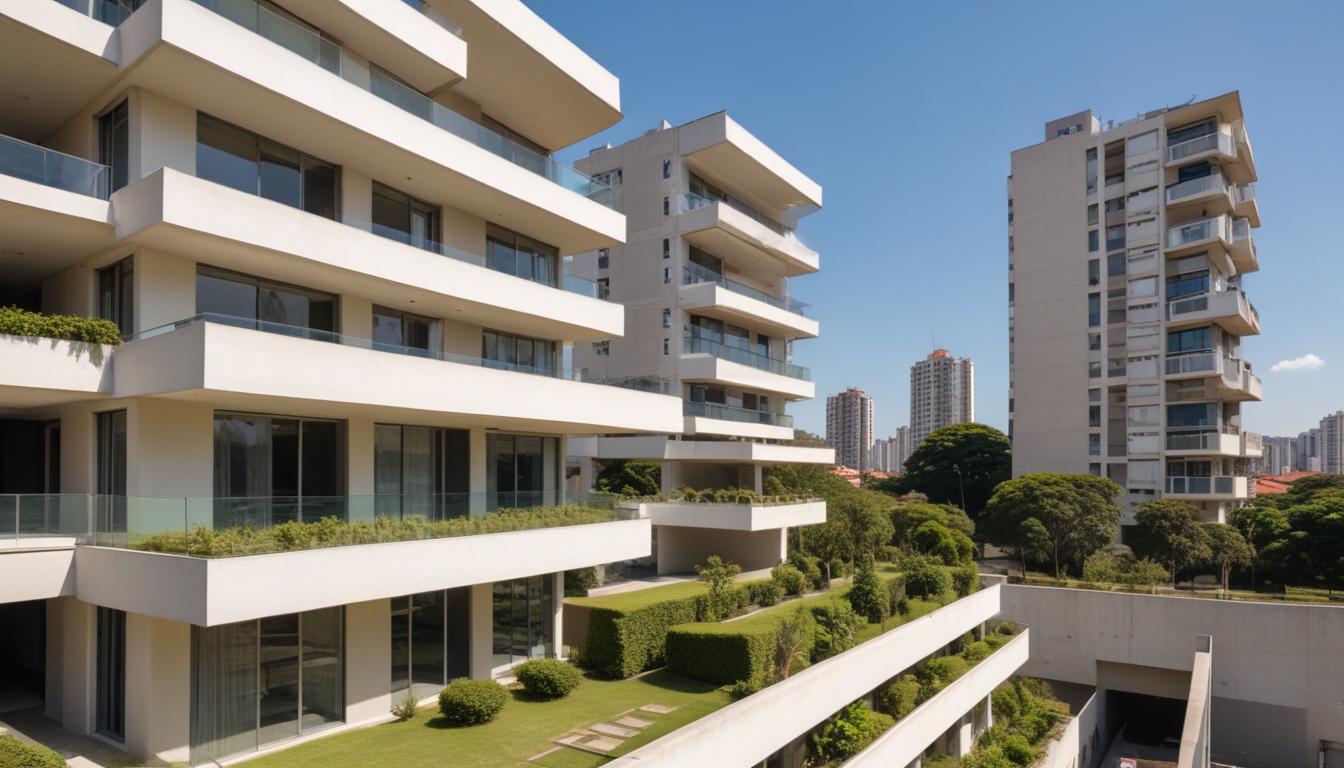
Affordable Housing São Paulo: 2024 Price Guide
First-time buyers face narrowing window as federal subsidies shift and demand outpaces supply in outer zones. Here's what changed.
First-time buyers face narrowing window as federal subsidies shift and demand outpaces supply in outer zones. Here's what changed.
Listen to this article · 3:44
The affordable housing market in São Paulo is experiencing a quiet upheaval. While premium neighbourhoods like Jardins and Itaim Bibi remain anchored by wealth, a different story is unfolding across the city's expanding periphery—where the battle for accessible properties has become fiercer and more complex than ever.
At the heart of the pressure: federal subsidy reforms and the exhaustion of traditional financing programmes. The Minha Casa, Minha Vida initiative, which once powered much of São Paulo's social housing expansion, has seen reduced allocations in recent years. Simultaneously, Caixa Econômica Federal has tightened lending criteria, meaning buyers who once qualified now find themselves sidelined. Current average prices in outer zones like Tatuapé and Mooca—ranging from BRL 7,500 to BRL 9,500 per square metre—represent a 15 per cent year-on-year rise, outpacing wage growth and eroding affordability precisely where it matters most.
Municipal initiatives have stepped into the breach. São Paulo's Secretaria de Habitação has expanded partnerships with private developers, particularly around metro-adjacent corridors in Sapopemba and Itaquera, but these projects often come with longer wait times and higher entry costs. Meanwhile, cooperative housing models—quietly gaining traction in Vila Madalena and along the Pinheiros riverfront—offer an alternative pathway for organised buyer groups, though they require patience and collective commitment.
What first-time buyers need to know: timing has shifted. The easy-approval window of 2020–2023 has closed. Today's buyer faces three realities. First, qualification thresholds now demand stricter documentation and proof of income stability. Second, properties in emerging zones like Tatuapé—once purely speculative—are becoming primary residences for middle-income families, competing directly with genuinely affordable inventory. Third, interest rates remain elevated; even subsidised mortgages now sit above 8 per cent annually, adding tens of thousands to lifetime borrowing costs.
The takeaway for São Paulo's aspiring homeowners: act with eyes wide open. Engage directly with municipal housing departments, explore cooperative purchasing options, and don't assume yesterday's rules apply today. The city's affordable housing landscape is consolidating around metro accessibility and municipal support rather than sprawling outward as it once did. For buyers in the BRL 500,000 to BRL 800,000 range, the next 18 months will likely determine whether they remain first-time buyers or renters—making informed, immediate action not just prudent, but essential.
This article was compiled by AI from the sources linked above and screened before publishing. See our editorial standards.
How does this story make you feel?
Spread the word
About this article
Published by The Daily São Paulo
Daily brief
Free, in your inbox before 7am. Weekdays.
More in Property