São Paulo Zoning Rules Push Home Prices Up in New Areas
Municipal reforms are reshaping where middle-income buyers can afford homes, forcing many out of traditional premium neighbourhoods.
Municipal reforms are reshaping where middle-income buyers can afford homes, forcing many out of traditional premium neighbourhoods.
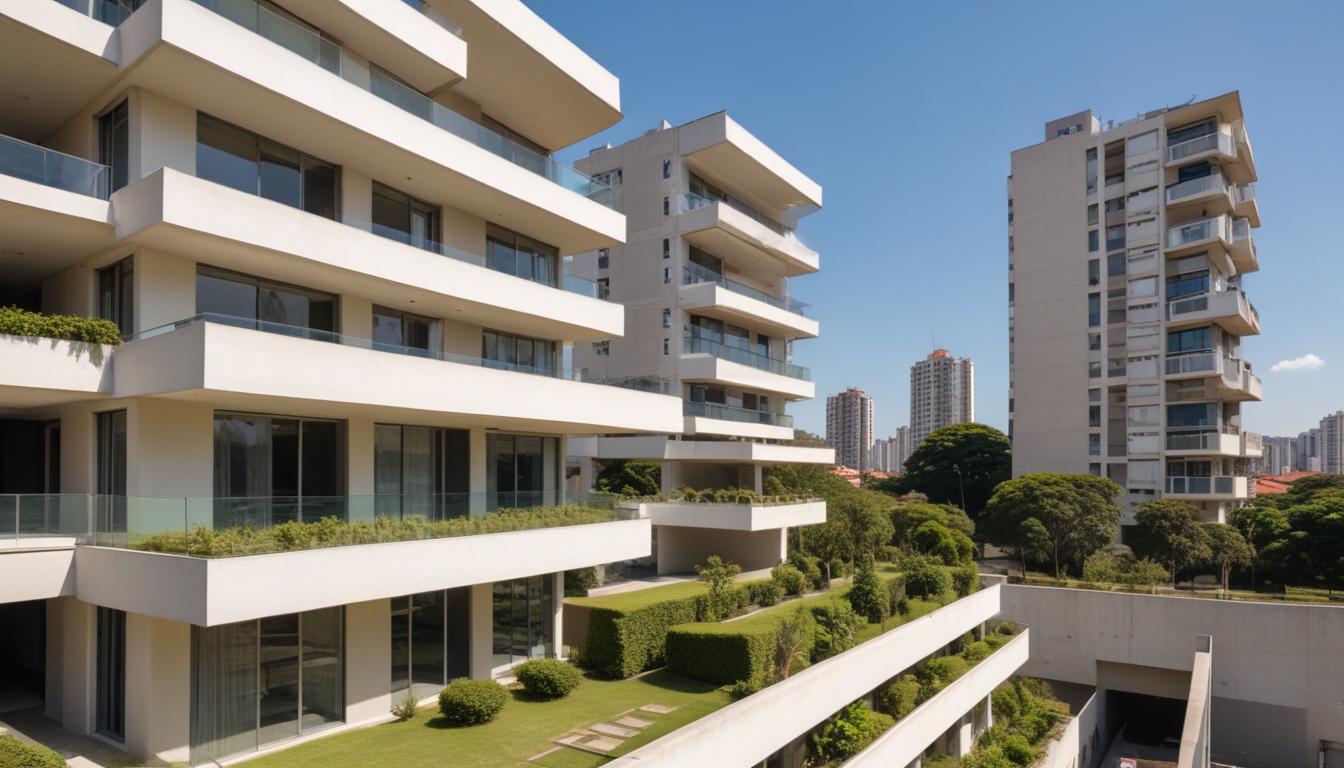
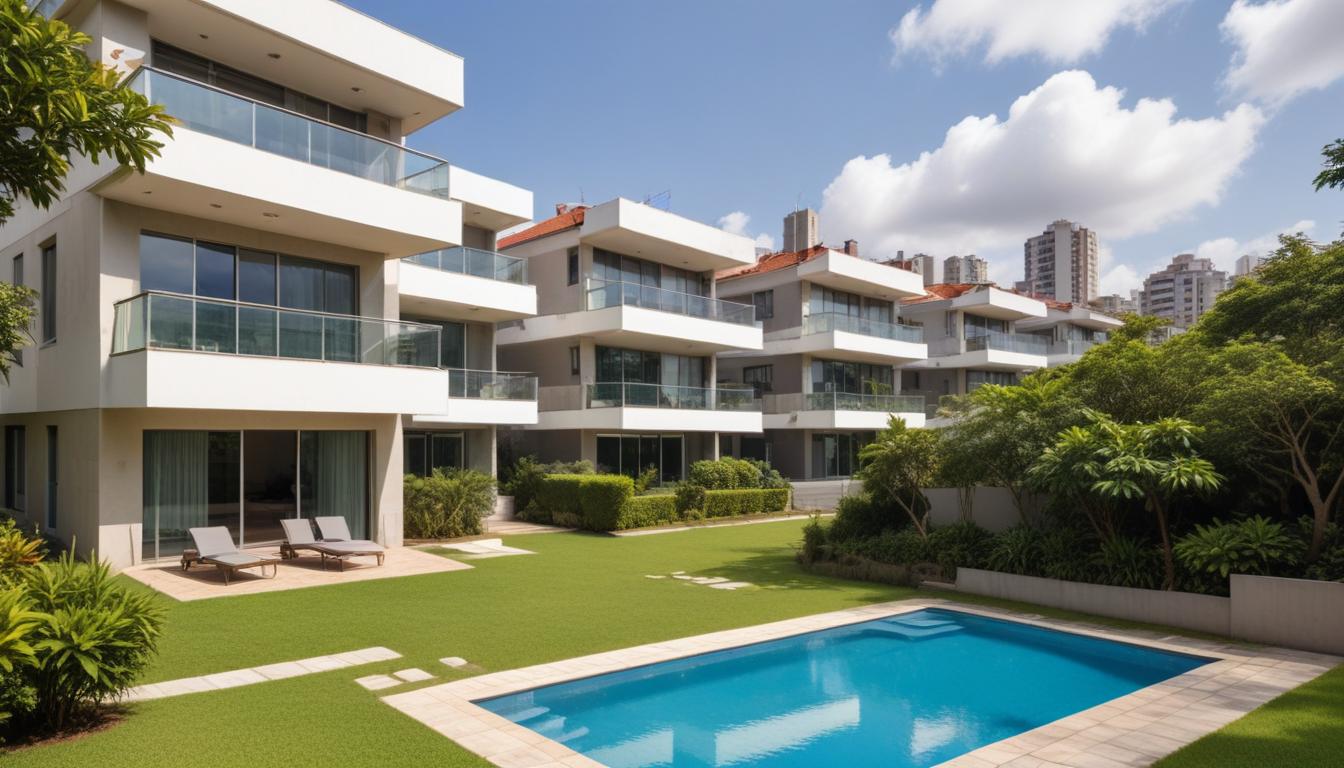
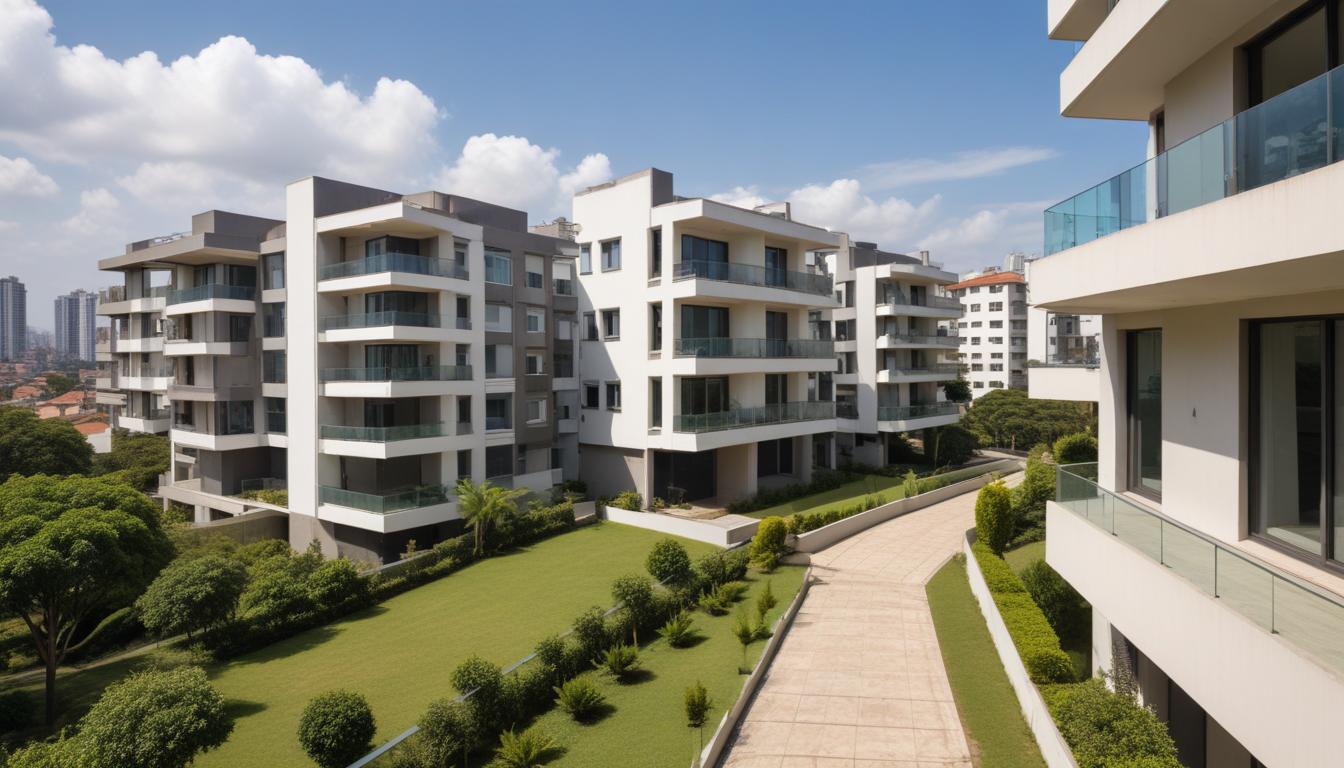
São Paulo's property market is experiencing a subtle but significant reshaping following the São Paulo City Council's approval of revised zoning regulations in late 2025. The changes, aimed at increasing residential density and modernising outdated neighbourhood classifications, have already begun rippling through the city's neighbourhoods—though not always in ways that ease housing affordability pressures.
The new framework allows mixed-use developments and increased floor-area ratios across previously restricted zones, particularly along major corridors like Avenida Paulista and in neighbourhoods bordering the Pinheiros and Tatuapé districts. Real estate analysts report that properties in transitional areas such as Vila Madalena and Mooca have seen average price increases of 12–15 per cent since announcement of the changes, as developers scramble to acquire sites before new building rights fully take effect. The city's average of around BRL 10,000 per square metre masks dramatic variations: premium Jardins properties now command BRL 18,000–22,000/sqm, while growth zones like Tatuapé have jumped from BRL 7,500 to nearly BRL 9,000/sqm in recent months.
Paradoxically, the policy intended to increase housing supply may be accelerating gentrification. Developers are prioritising medium to high-density luxury projects over affordable housing, since the new regulations offer greater profit margins. The Secretaria Municipal de Urbanismo has introduced incentive mechanisms for social housing inclusion, but enforcement remains inconsistent. Community groups in Vila Madalena and Mooca have raised concerns that rapid upzoning is displacing long-term residents before affordable units materialise.
Meanwhile, traditional finance sector adjustments are compounding buyer strain. Middle-income purchasers seeking mortgages are encountering stricter lending criteria from major institutions, creating a two-tier market: cash buyers and high-net-worth investors dominating premium neighbourhoods like Itaim Bibi, while moderate-income families are priced out entirely. Property counsel advisors report increasing enquiries about satellite neighbourhoods in São Bernardo do Campo and Taboão da Serra—effectively pushing affordability pressure beyond municipal boundaries.
The city government maintains that density increases will eventually drive down per-unit costs through economies of scale. However, until new supply translates into completed units, current policy momentum is strengthening speculation rather than accessibility. As São Paulo's June 2026 mid-year review approaches, housing advocates are calling for stronger inclusionary zoning requirements and expedited approvals for genuinely affordable schemes—signals that the market's invisible hand may need firmer guidance from City Hall.
This article was compiled by AI from the sources linked above and screened before publishing. See our editorial standards.
How does this story make you feel?
Spread the word
About this article
Published by The Daily São Paulo
Daily brief
Free, in your inbox before 7am. Weekdays.
More in Property