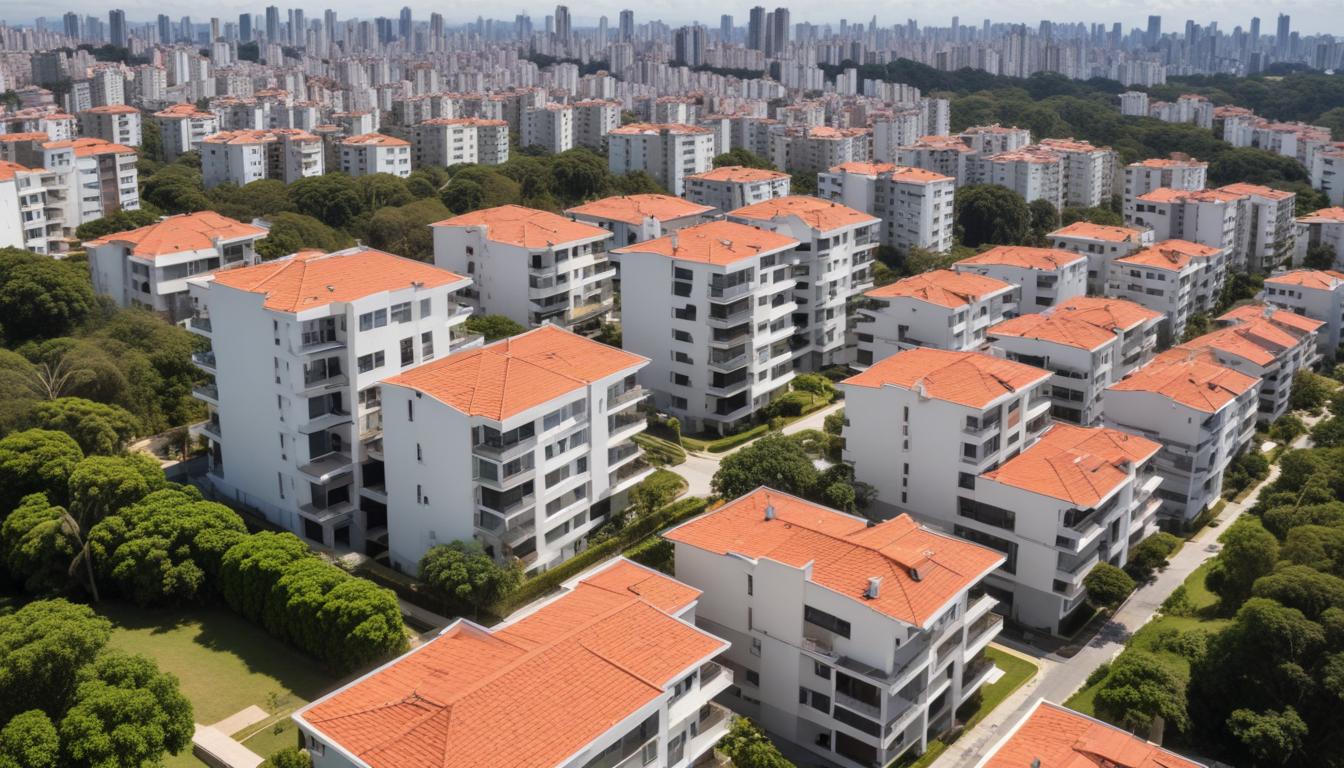
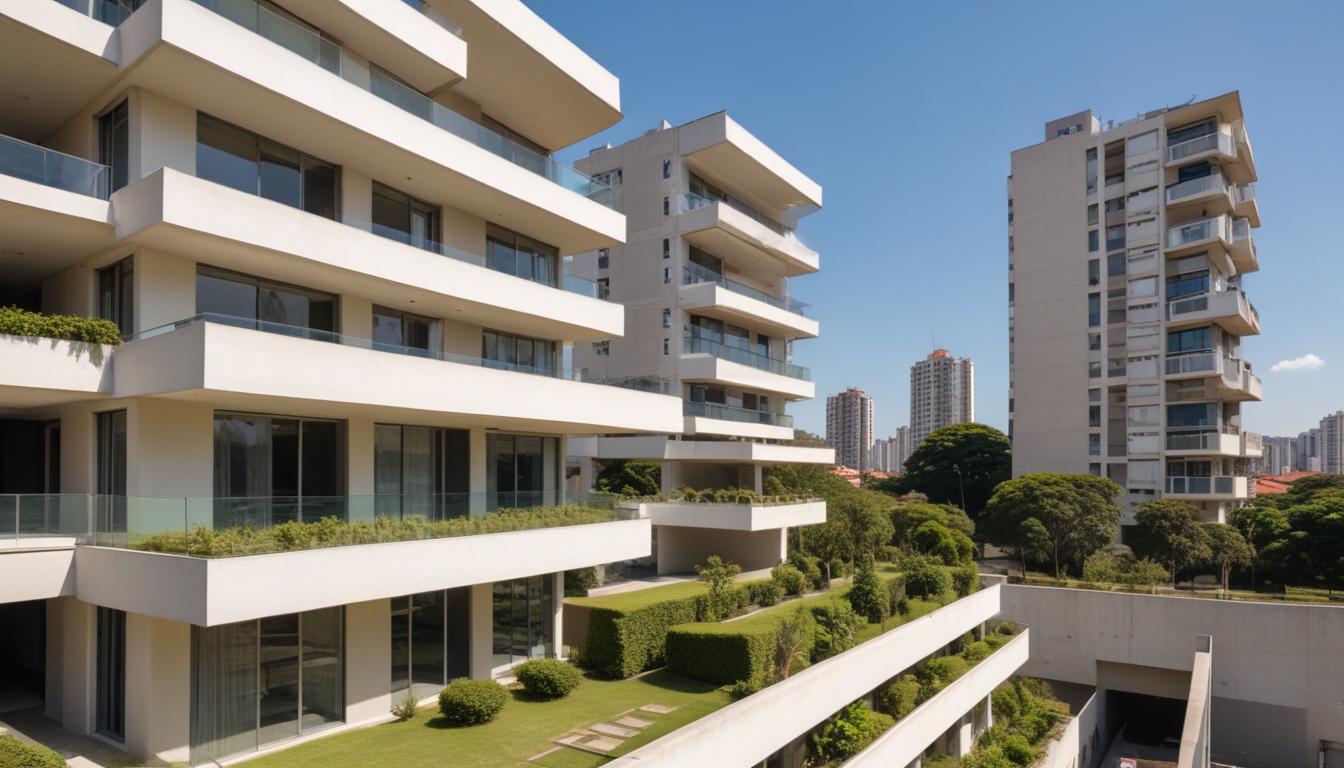
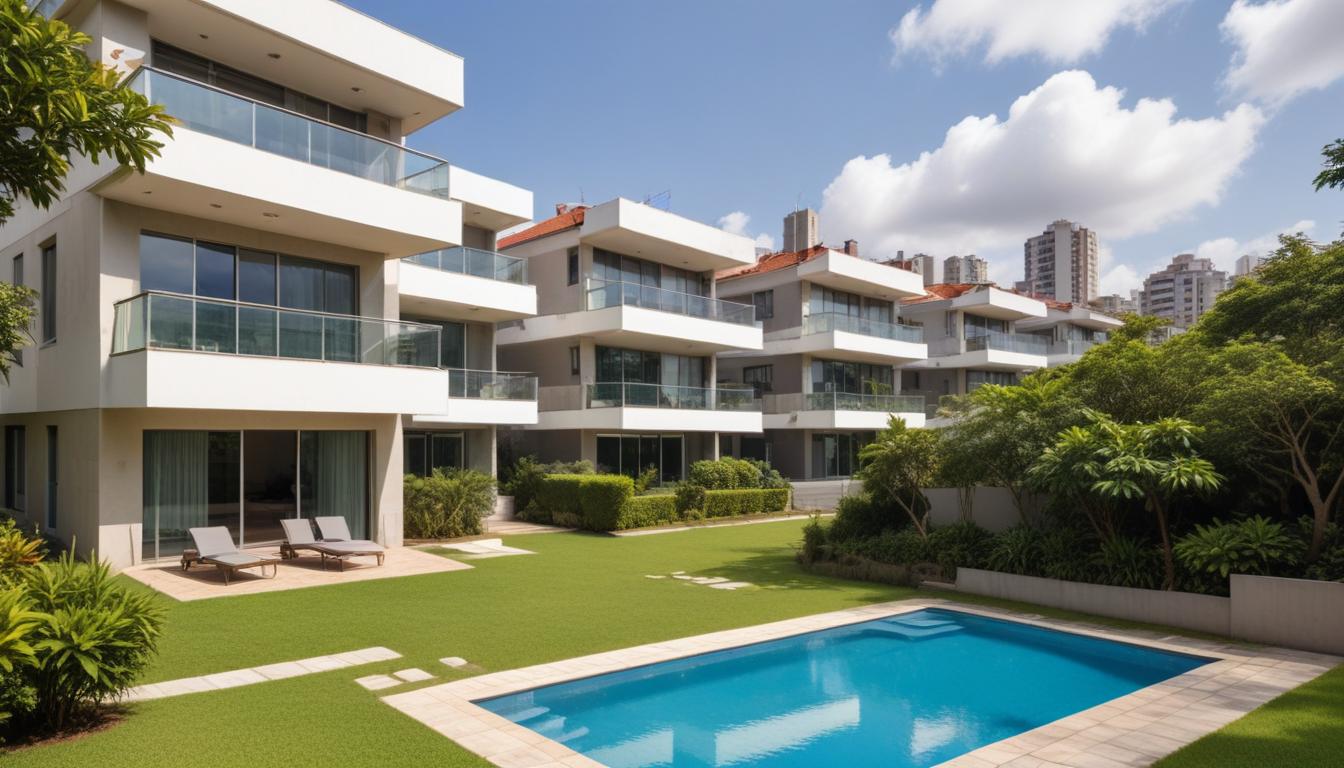
Vila Leopoldina is quietly rewriting São Paulo's rental market narrative. Once overlooked by institutional investors who favoured Jardins and Pinheiros, this west-zone neighbourhood is now recording vacancy rates of just 6%—roughly half the city average—as tenants flee expensive central postcodes and landlords discover unexpected yields.
The neighbourhood's transformation reflects deeper market forces reshaping where renters actually want to live. The average property in Vila Leopoldina now commands BRL 8,200 per square metre, positioning it roughly 18 per cent below the city average. Yet demand has intensified dramatically. Properties in the Morro do Espelho and Vila Hamburguesa microzones are attracting young professionals drawn to proximity with Vila Madalena's cultural amenities while maintaining rent at 25–30 per cent below Pinheiros equivalents.
"The flight to value is real," says the sentiment echoing through local real estate circles. Vila Leopoldina benefits from expanding public transport infrastructure—Metro Line 9 extensions and improved bus corridors have reduced commute friction—alongside emerging commercial precincts. The Rua Vergueiro corridor now hosts co-working spaces, craft breweries, and service sector businesses that were previously concentrated in Vila Madalena or Itaim Bibi.
For tenant-side navigation, the market offers both opportunity and caution. Vacancy compression means lease negotiations favour landlords; tenants signing now should expect minimal flexibility on contract terms and swift decision-making processes. Building deposits of three months remain standard, though savvy renters securing properties in emerging complexes with mixed commercial-residential zoning sometimes negotiate staggered deposit arrangements.
Property management organisations operating across greater São Paulo report Vila Leopoldina registering the highest lease-inquiry-to-conversion ratio among secondary neighbourhoods. Average rental yields have climbed to 5.2 annually—competitive with Tatuapé growth zones but requiring substantially lower capital entry.
The risk-return calculus appeals to investors: lower absolute prices reduce leverage requirements while population density expansion appears demographically sustainable. However, the neighbourhood remains infrastructure-dependent. Further delays to promised transport connectivity could arrest momentum, though current trajectory suggests Vila Leopoldina will eventually settle into the mid-tier premium positioning currently occupied by Vila Madalena.
For renters evaluating options, the window for favourable lease terms in Vila Leopoldina is narrowing. Properties within walking distance of Metrô stations or along the Avenida Marquês de São Vicente corridor are moving fastest. Those prioritising affordability without sacrificing neighbourhood character should explore peripheral Vila Leopoldina streets before mainstream investor attention forces prices toward city averages.
This article was compiled by AI from the sources linked above and screened before publishing. See our editorial standards.