Luxury São Paulo Returns: What Double-Digit Yields Mean for High-End Investors
As premium properties in Jardins and Itaim Bibi command record rents, the numbers reveal a market where capital appreciation and rental income are finally converging.
As premium properties in Jardins and Itaim Bibi command record rents, the numbers reveal a market where capital appreciation and rental income are finally converging.
São Paulo's luxury property market has entered a peculiar inflection point. While the broader residential sector grapples with modest clearance rates and cautious buyer sentiment, high-end investors in neighbourhoods like Jardins, Pinheiros and Itaim Bibi are reporting double-digit rental yields—a phenomenon that hasn't been sustainable for nearly a decade.
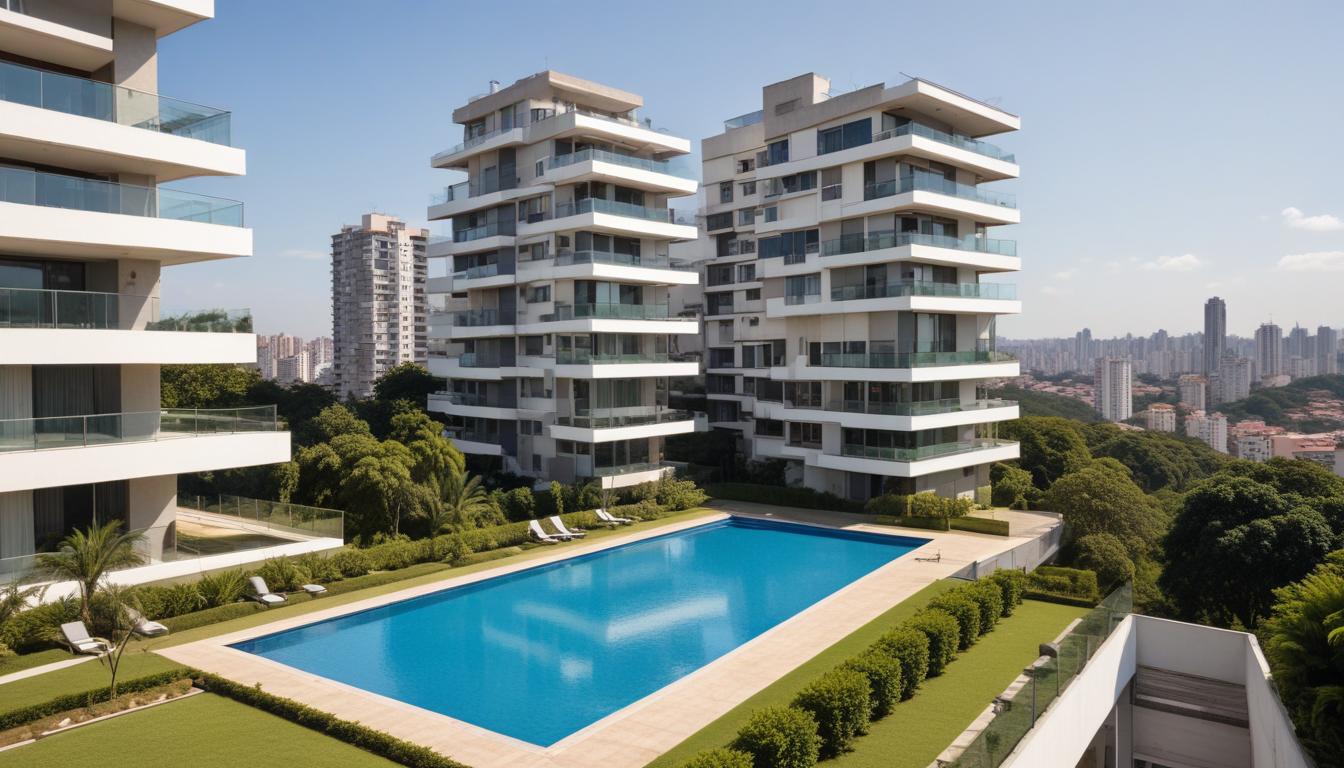
The numbers tell a compelling story. Premium apartments in Itaim Bibi, where values hover around BRL 25,000 to BRL 35,000 per square metre, are generating annual rental yields between 11 and 14 percent when leased to international executives and corporate tenants. A three-bedroom penthouse on Avenida Paulista or Rua Haddock Lobo that sells for BRL 8 to 12 million can command monthly rent of BRL 95,000 to BRL 130,000—figures that would have been unthinkable just three years ago. This compression between purchase price and rental demand reflects both limited supply at the ultra-premium end and sustained demand from multinational corporations seeking executive accommodation.
Vila Madalena, which has repositioned itself as São Paulo's creative luxury hub, shows similar momentum. Properties in the BRL 5 to 8 million range are achieving 9 to 11 percent gross yields, particularly those near cultural venues like Rua Wisard and proximity to the neighbourhood's expanding restaurant and gallery district. The neighbourhood's transformation has attracted a younger, wealthier demographic less interested in traditional Zona Sul prestige addresses.
What's driving these returns? Supply constraints remain acute. New luxury completions in consolidated neighbourhoods have slowed dramatically, while demand from both international relocations and domestic ultra-high-net-worth individuals continues climbing. The Central Bank's recent interest rate trajectory has also repositioned real estate as a yield-generating asset class relative to fixed-income alternatives.
Capital appreciation data reveals secondary gains. Jardins properties have appreciated approximately 7 to 9 percent annually over the past 24 months—modest by historical standards, but substantial when combined with rental yields. For investors willing to hold medium-term positions, the mathematics work: a BRL 10 million property generating BRL 1.1 million in annual rental income, plus 8 percent appreciation, delivers total returns approaching 18 to 20 percent.
However, sector analysts caution against extrapolation. Economic uncertainty, particularly around employment stability for executive tenants, poses downside risk. Currency volatility also impacts international investor calculus. Still, for disciplined capital allocators selecting premium locations with proven tenant resilience—Itaim Bibi, central Pinheiros, Jardins—the risk-return profile has shifted materially in favour of accumulation.
This article was compiled by AI from the sources linked above and screened before publishing. See our editorial standards.
How does this story make you feel?
Spread the word
About this article
Published by The Daily São Paulo
Daily brief
Free, in your inbox before 7am. Weekdays.
More in Property