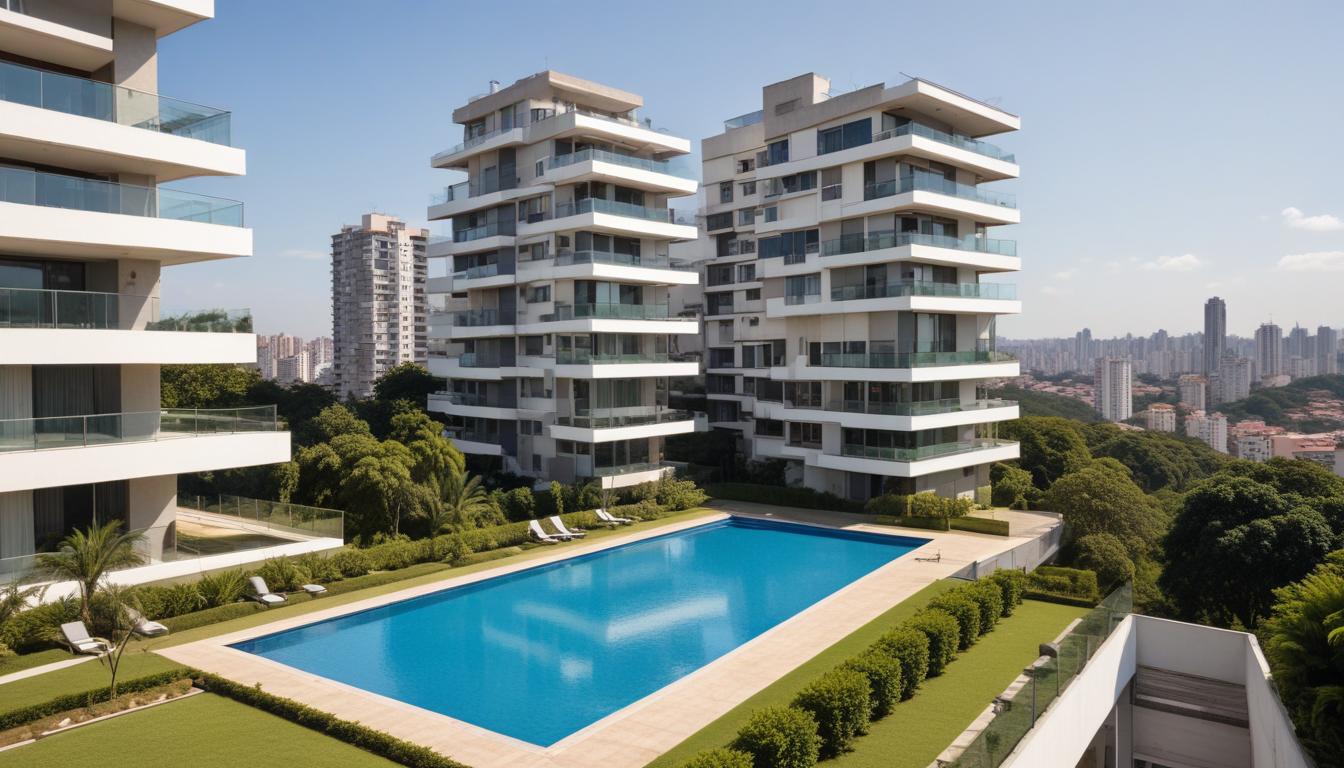
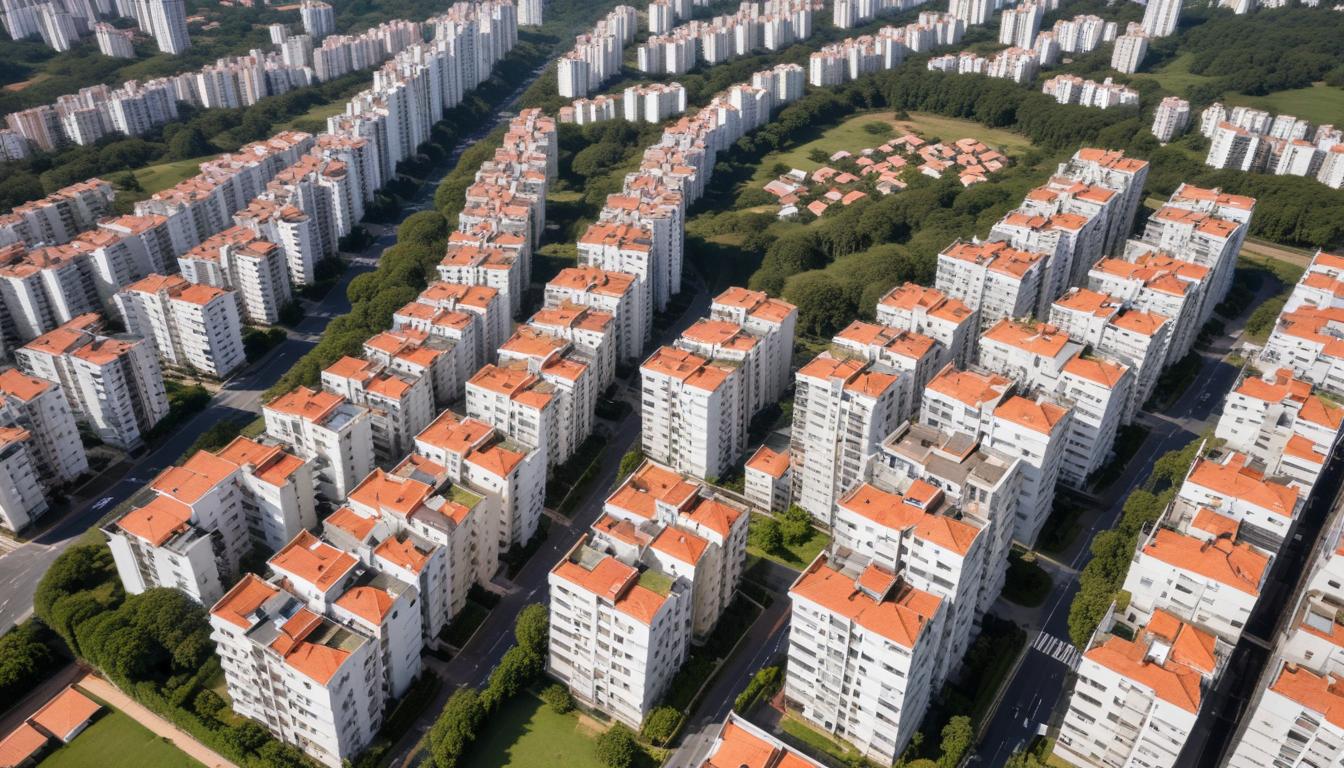
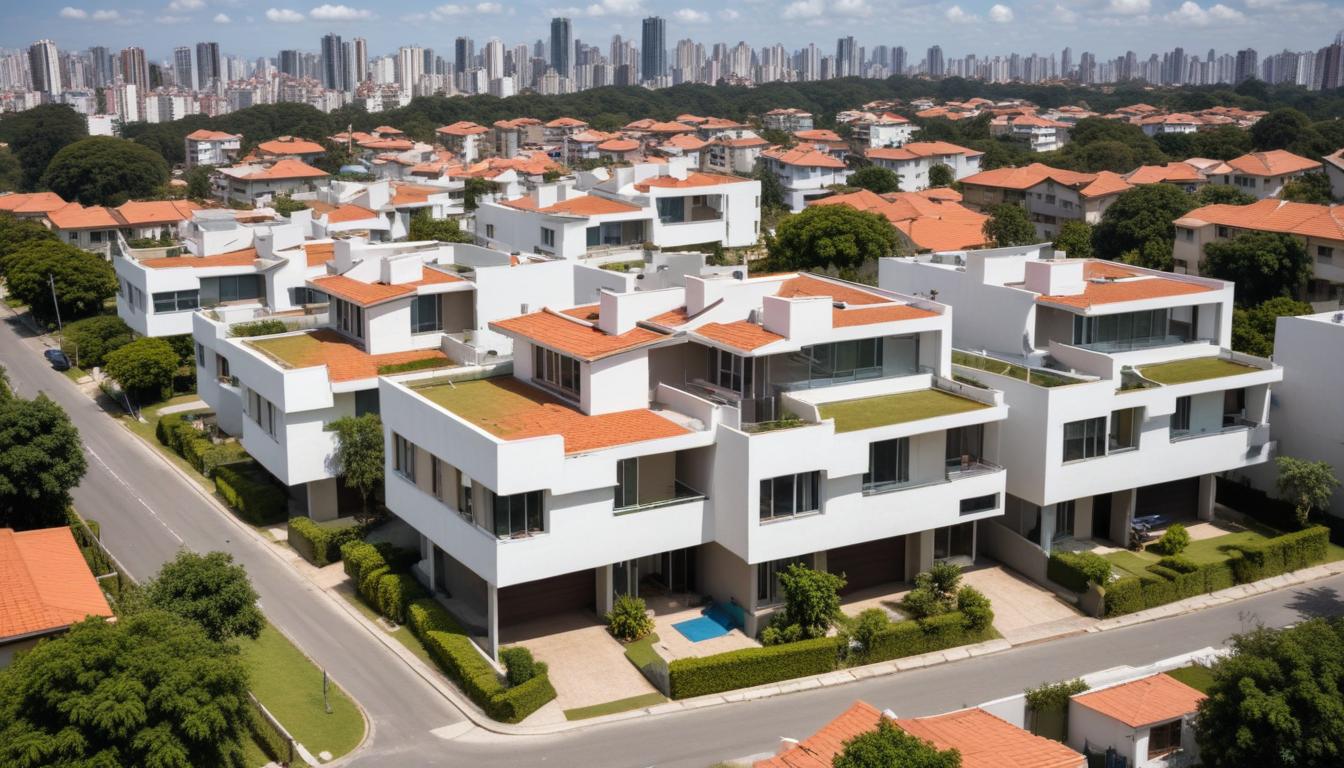
São Paulo's planning department quietly tightened approval timelines and density restrictions across Zona Sul and Zona Centro last quarter, triggering a visible pivot in where major developments are landing. The changes, part of a broader municipal push to manage congestion and preserve heritage districts, are already reshaping project pipelines and neighbourhood valuations in ways that ripple far beyond construction sites.
The new framework caps floor-area ratios in traditionally premium pockets like Jardins and Pinheiros, effectively capping what developers can build relative to land size. Combined with mandatory heritage assessments and extended public consultation periods—now stretching to 180 days for projects exceeding 15,000 square metres—approval windows have lengthened considerably. Projects that once cleared municipal review in eight months now face twelve to sixteen.
The market response has been immediate. Developers are redirecting capital toward Vila Madalena, Tatuapé, and Mooca, where density allowances remain higher and approval pathways faster. Vila Madalena saw three major residential approvals in the past two months alone, targeting the young professional demographic priced out of Pinheiros where average values now hover near BRL 12,500 per square metre. By contrast, Tatuapé and Mooca—historically considered secondary corridors—are attracting institutional money. Average land prices there have climbed 8–12 per cent since March, according to property advisory data, as investors recognise tightening supply in central zones.
Itaim Bibi's luxury segment has weathered the shift better than mid-market sectors. Premium developments there, already built on consolidated land parcels, continue commanding BRL 14,000–16,000 per square metre. But mid-range projects targeting the BRL 10,000–12,000 band—traditionally anchored in Zona Sul—are increasingly squeezed. Developers either absorb margin pressure or migrate projects eastward, where acquisition costs remain 30–40 per cent lower than central neighbourhoods.
Industry bodies including the São Paulo Real Estate Association flagged concerns about affordability compression in recent submissions to City Hall. Their research suggests the policy cluster—density caps, extended approvals, and heritage overlays—may inadvertently concentrate new housing supply in outer zones, potentially exacerbating commute burdens and widening spatial inequality.
City planners counter that controlled growth protects existing neighbourhoods from overdevelopment. Early data suggests the strategy is working: congestion complaints in Pinheiros and Jardins declined 6 per cent quarter-on-quarter. But for buyers and renters, the trade-off is visible: fewer options centrally, higher prices where supply persists, and a new geography of opportunity further from traditional employment hubs.
This article was compiled by AI from the sources linked above and screened before publishing. See our editorial standards.