Vila Madalena has always been São Paulo's creative pulse: street art on every corner, independent galleries dotting Rua Fidalga, and a café culture that keeps the neighbourhood alive past midnight. Today, that identity faces its biggest test yet as new development projects reshape the area's economic landscape.
The catalyst is clear. Land values in Vila Madalena have climbed to approximately BRL 12,500 per square metre—a 25 percent jump in three years—driven partly by spillover demand from saturated premium zones like Jardins and Pinheiros. Developers have taken notice. Three major mixed-use projects are now under construction or in advanced planning stages along Rua Harmonia and its tributaries, each targeting the sweet spot between affordability and aspirational living.
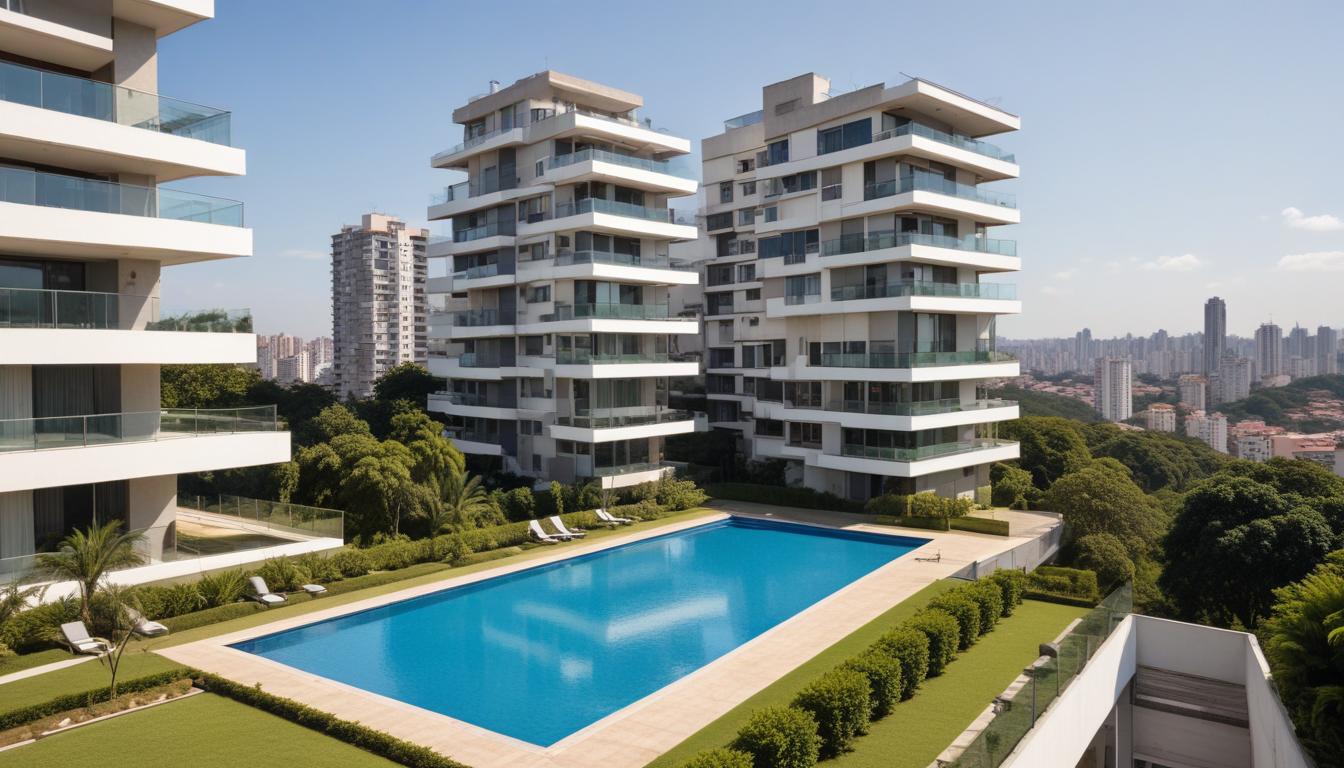
The most visible is a 180-unit residential tower near the intersection of Rua Harmonia and Rua Deputado Lacerda Franco. Launching at BRL 8.2 million for a three-bedroom unit, it undercuts comparable Pinheiros stock by roughly 20 percent while offering ground-floor retail space—a deliberate strategy to preserve street-level commerce. A second project, focused on co-working and serviced apartments, is banking on remote workers and entrepreneurs priced out of central business districts.
What makes these developments significant isn't just density; it's the infrastructure conversation they've triggered. The neighbourhood's transport connections—Metro Line 2 at Vila Madalena station, plus bus corridors along Avenida Pedroso de Morais—suddenly matter more to municipal planners. Early discussions around pedestrian improvements and cycling infrastructure suggest the city sees Vila Madalena as part of a larger mobility strategy extending toward Tatuapé and Mooca's emerging growth corridor.
Not everyone celebrates. Local business owners worry that construction timelines will erode the foot traffic that sustains galleries and vintage shops. The Vila Madalena Association has requested heritage protections for certain street segments, though consensus remains elusive. Property investors, meanwhile, see opportunity: adjacent land parcels are moving faster, with asking prices climbing 8–12 percent quarterly.
The economic math is straightforward: as supply increases, prices may stabilise, making Vila Madalena genuinely accessible to middle-income households rather than just creative professionals on inflated salaries. That could democratise the neighbourhood—or dilute what made it special. Either way, the next 18 months will determine whether Vila Madalena evolves or surrenders to homogenisation. The cranes are already here; the conversation is just beginning.
This article was compiled by AI from the sources linked above and screened before publishing. See our editorial standards.