How Artur Alvim became São Paulo's unexpected affordable housing goldmine
As social housing initiatives reshape the eastern suburbs, savvy investors are betting on Artur Alvim's transformation from overlooked district to genuine growth corridor.
As social housing initiatives reshape the eastern suburbs, savvy investors are betting on Artur Alvim's transformation from overlooked district to genuine growth corridor.
For decades, Artur Alvim existed in the shadow of São Paulo's more celebrated neighbourhoods. Located in the eastern zone, roughly 20km from the Pinheiros financial hub, the district rarely featured in conversations about property investment. Today, that narrative is shifting dramatically—and it's social housing policy that's driving the change.
The neighbourhood, which sits between the Tatuapé commercial corridor and the industrial belt of Mooca, is experiencing unprecedented attention from developers and small investors alike. Current asking prices hover around BRL 6,500–7,800 per square metre, significantly below the city average of BRL 10,000/sqm, yet the trajectory suggests sustained appreciation over the next 36 months.
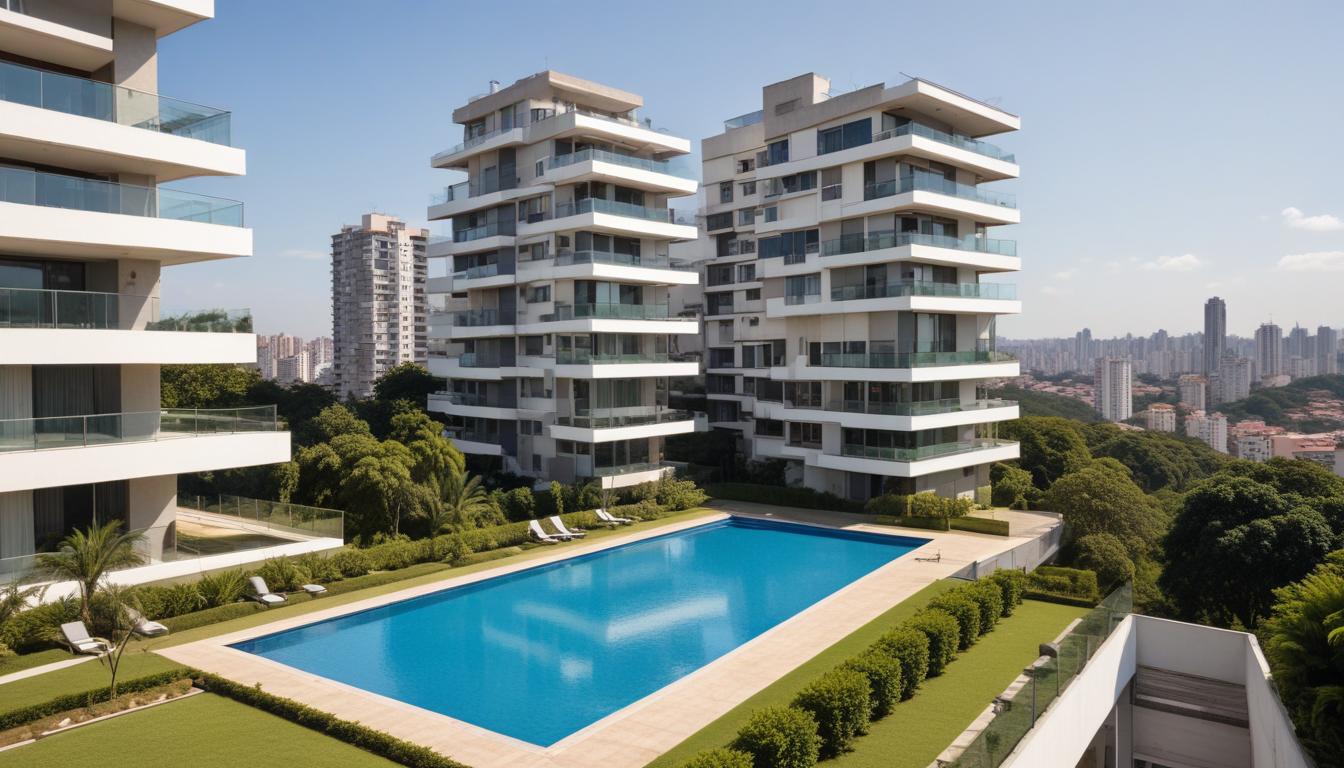
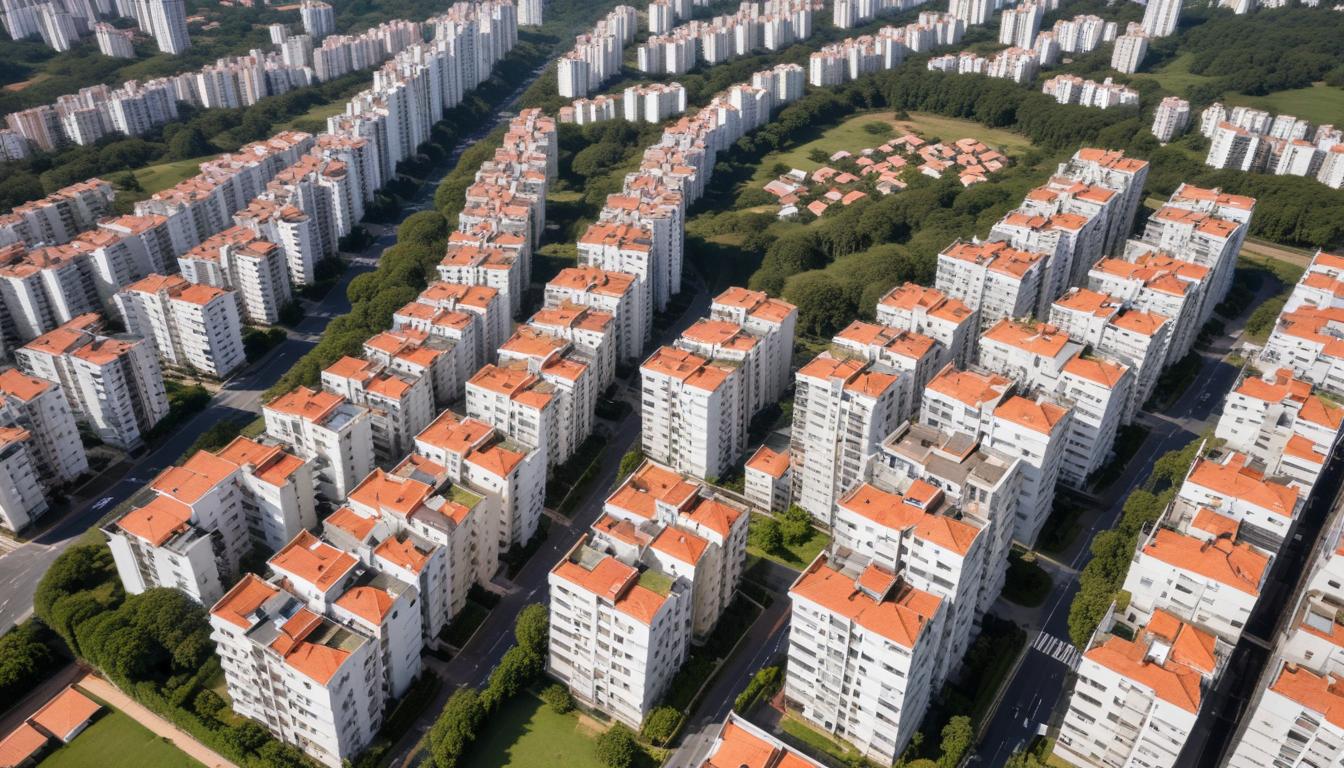
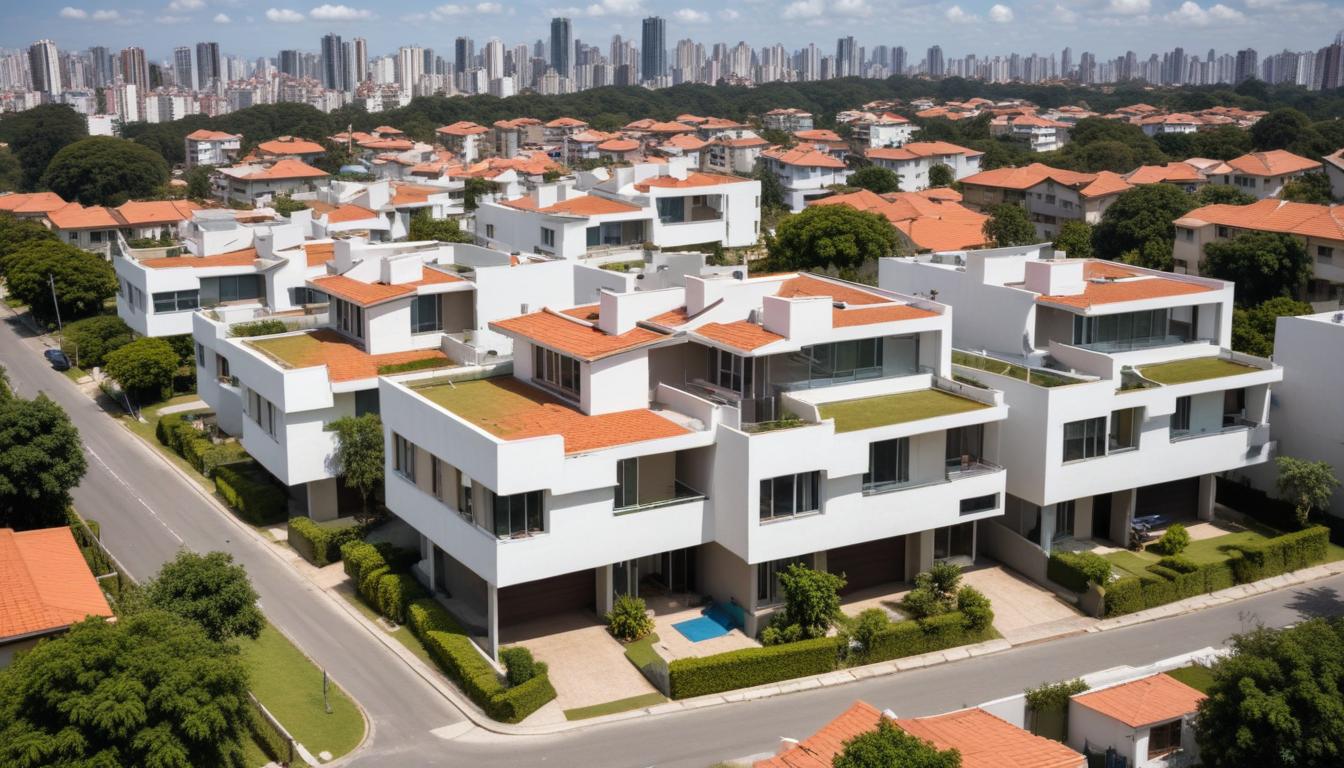
The catalyst has been São Paulo's expanded social housing agenda. The state government's partnership with municipal authorities has allocated funding for integrated residential projects in eastern districts, with Artur Alvim designated as a priority zone. The Rua Conselheiro João Alfredo corridor and surrounding blocks have seen three new mid-rise residential complexes break ground since early 2025, designed explicitly for income brackets of BRL 2,500–4,500 monthly.
What distinguishes Artur Alvim from earlier affordable housing rollouts is infrastructure timing. The Line 3 (red) metro extension discussions have rekindled interest in connectivity, while the recent completion of the Parque Raul Pompéia commercial centre has added retail anchor points. Local vendors and small-scale traders along Avenida Radial Leste report measurable foot traffic increases since mid-2025.
Property analysts note a crucial demographic shift. Young families priced out of Vila Madalena (where BRL 18,000/sqm is routine) and Tatuapé (now averaging BRL 12,500/sqm) are pivoting eastward. Educational institutions, including expansion plans for municipal schools, and the proximity to healthcare facilities via Hospital Beneficência Portuguesa's satellite clinic have reinforced livability credentials.
The investment thesis, however, carries caveats. Social housing projects often include long-term rent controls and community restrictions that moderate speculative returns. Additionally, transit challenges remain: peak-hour commutes to central business districts still exceed 90 minutes for many residents. Environmental remediation of former industrial sites along the neighbourhood's southern edge continues unevenly.
Still, for investors with five-to-seven-year horizons and appetite for measured, policy-driven appreciation, Artur Alvim represents genuine opportunity. Property availability remains abundant, construction costs remain competitive, and municipal support shows no signs of reversing. As São Paulo's property market matures, the story increasingly belongs not to rare penthouses in Itaim Bibi, but to neighbourhoods making incremental, sustainable gains on the periphery.
This article was compiled by AI from the sources linked above and screened before publishing. See our editorial standards.
How does this story make you feel?
Spread the word
About this article
Published by The Daily São Paulo
Daily brief
Free, in your inbox before 7am. Weekdays.
More in Property