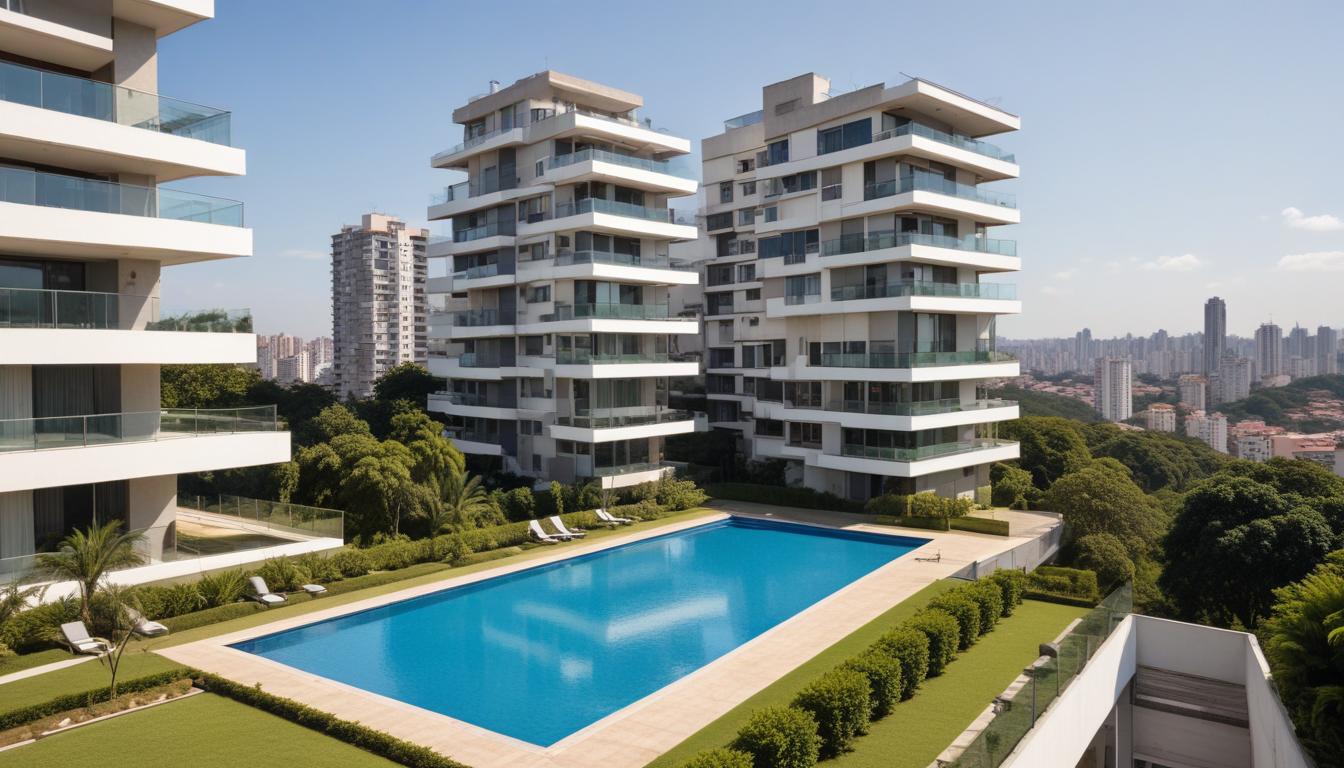
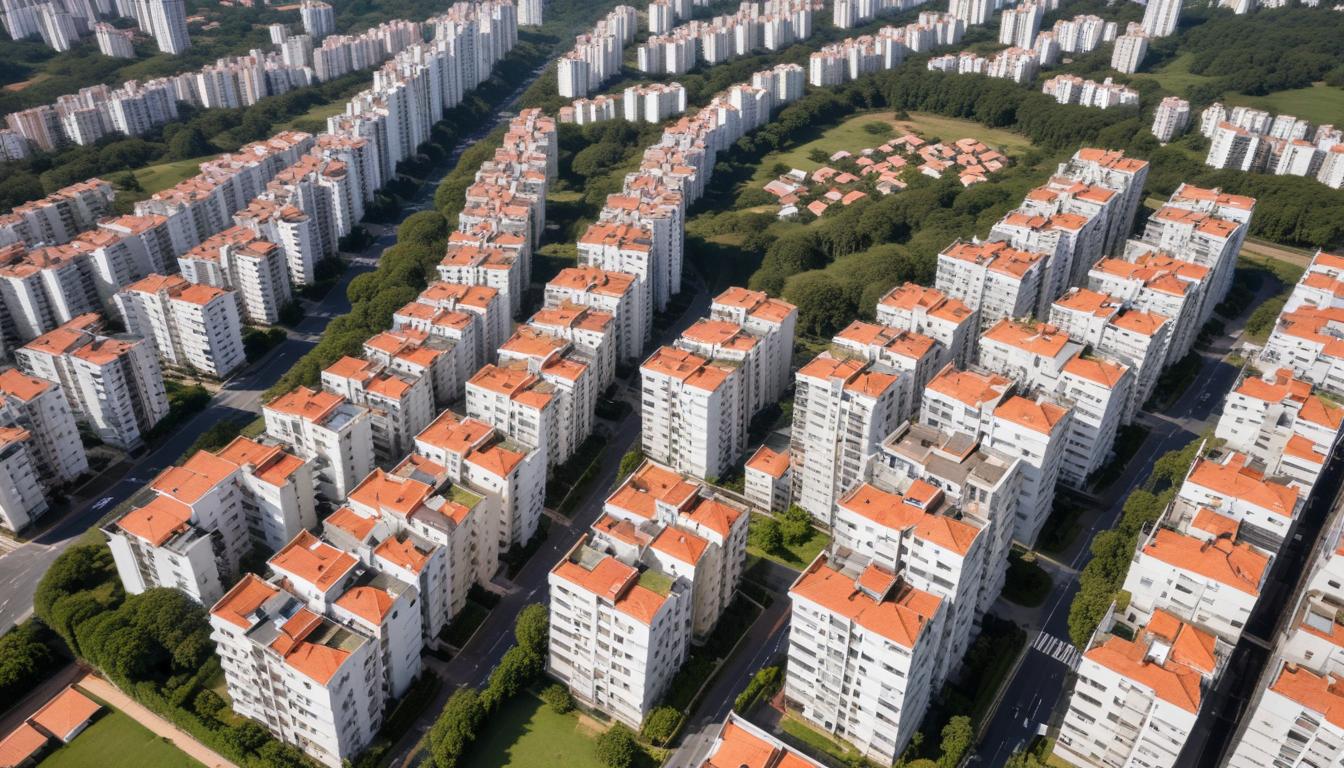
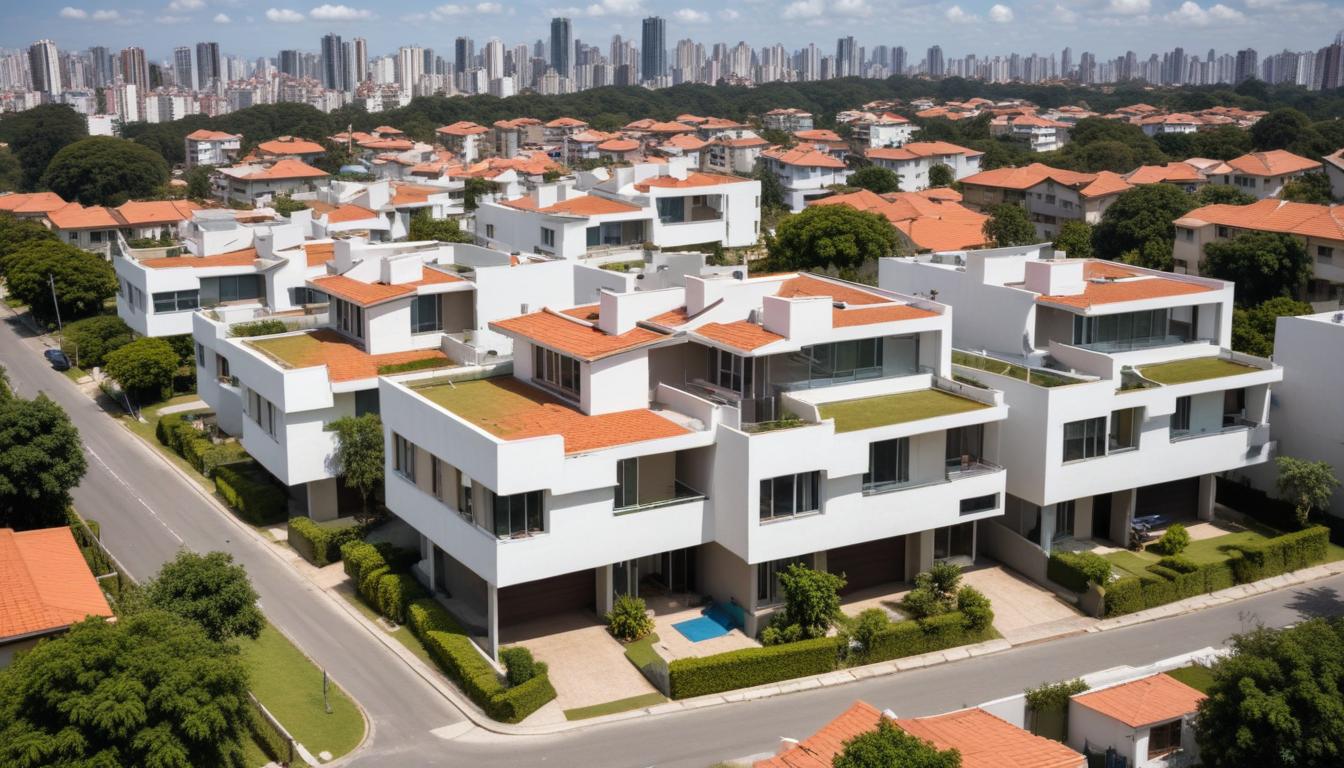
São Paulo's affordable housing sector is quietly reshaping investor expectations. While premium addresses in Jardins and Itaim Bibi command attention, a parallel market is emerging in neighbourhoods like Tatuapé and Mooca, where structured housing funds are returning 8–12% annually to institutional and private investors—figures that rival or exceed luxury apartment rentals at half the leverage risk.
The shift reflects both demographic urgency and policy maturity. Brazil's Central Bank housing credit initiative, combined with São Paulo state incentives for developments under BRL 500,000 per unit, has created a new asset class. Recent fund offerings from established developers show subscriptions oversubscribed by 140–180%, indicating genuine investor appetite beyond philanthropic sentiment.
Consider the numbers. A modest two-bedroom apartment in Tatuapé costs approximately BRL 350,000–400,000—roughly 3.5–4% of a similar unit's price in Pinheiros. Occupancy rates in these managed funds hover near 97%, with rental income generating BRL 1,200–1,500 monthly per unit. Over a 15-year holding period, accounting for 3% annual appreciation and inflation-adjusted rents, investor projections suggest cumulative returns of 240–320%—above market benchmarks for commercial real estate investment trusts (REITs).
The Caixa Econômica Federal's recent expansion of mortgage terms to 35 years has also democratised end-user demand, particularly in growth corridors along Avenida Paulista's outer zones and emerging precincts near Vila Madalena's borders. Absorption rates have accelerated: units in accredited developments now sell 60–90 days faster than pre-2024 averages.
Yet risks persist. Policy dependency remains high; changes to federal housing subsidies could compress margins. Regulatory frameworks governing affordable housing funds remain nascent, with limited transparency standards. Some developments in outer zones like the Zona Leste face infrastructure constraints that may challenge long-term value appreciation.
Institutional players—including Bradesco Asset Management, XP Investimentos, and regional pension funds—have deployed over BRL 2.4 billion into dedicated affordable housing vehicles since 2024. Their participation signals confidence, though it also reflects capital seeking yield in a low-rate environment rather than purely mission-driven conviction.
For investors recalibrating portfolios amid São Paulo's shifting property landscape, the data is compelling: affordable housing funds offer stable, predictable returns without the speculative volatility of trophy markets. The question is no longer whether these assets perform, but whether policy can sustain the conditions that make them work.
This article was compiled by AI from the sources linked above and screened before publishing. See our editorial standards.