Squeeze Play: How São Paulo's Rental Market Shift Is Testing Both Tenants and Landlords
As yield pressures mount across the city's premium zones, the rental market is forcing a reckoning between rising tenant expectations and landlord economics.
As yield pressures mount across the city's premium zones, the rental market is forcing a reckoning between rising tenant expectations and landlord economics.
The rental market in São Paulo has entered a delicate balancing act. While average property valuations hover around BRL 10,000 per square metre citywide, yields in traditionally strong zones like Jardins and Pinheiros have compressed to levels that are forcing both property owners and renters to recalibrate expectations.
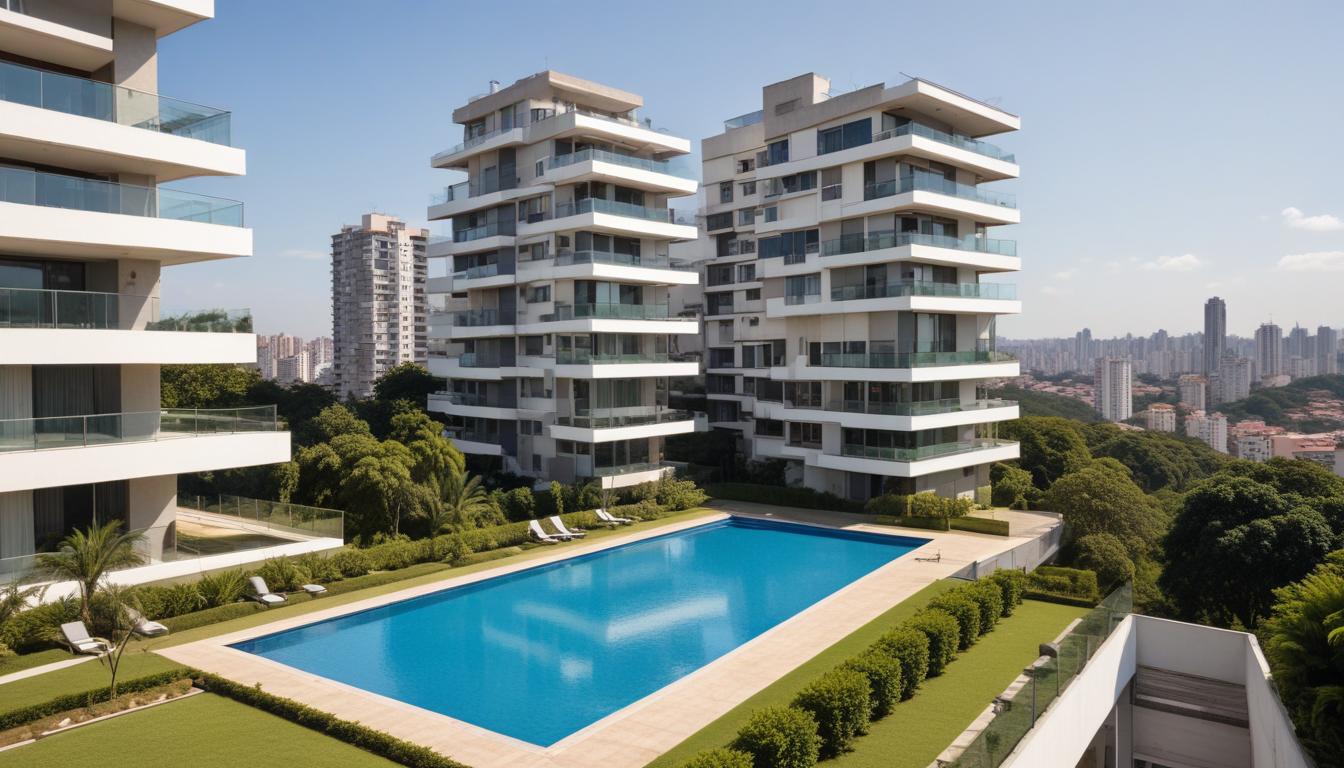
For landlords, the mathematics have shifted noticeably. A BRL 2 million apartment in Itaim Bibi or Pinheiros—premium neighbourhoods where luxury residential stock commands attention—now generates monthly rental income that barely covers property taxes, condominium fees, and maintenance costs. This yield squeeze is particularly acute in high-rise residential towers along Avenida Faria Lima and surrounding prestige addresses, where competition for tenants has intensified.
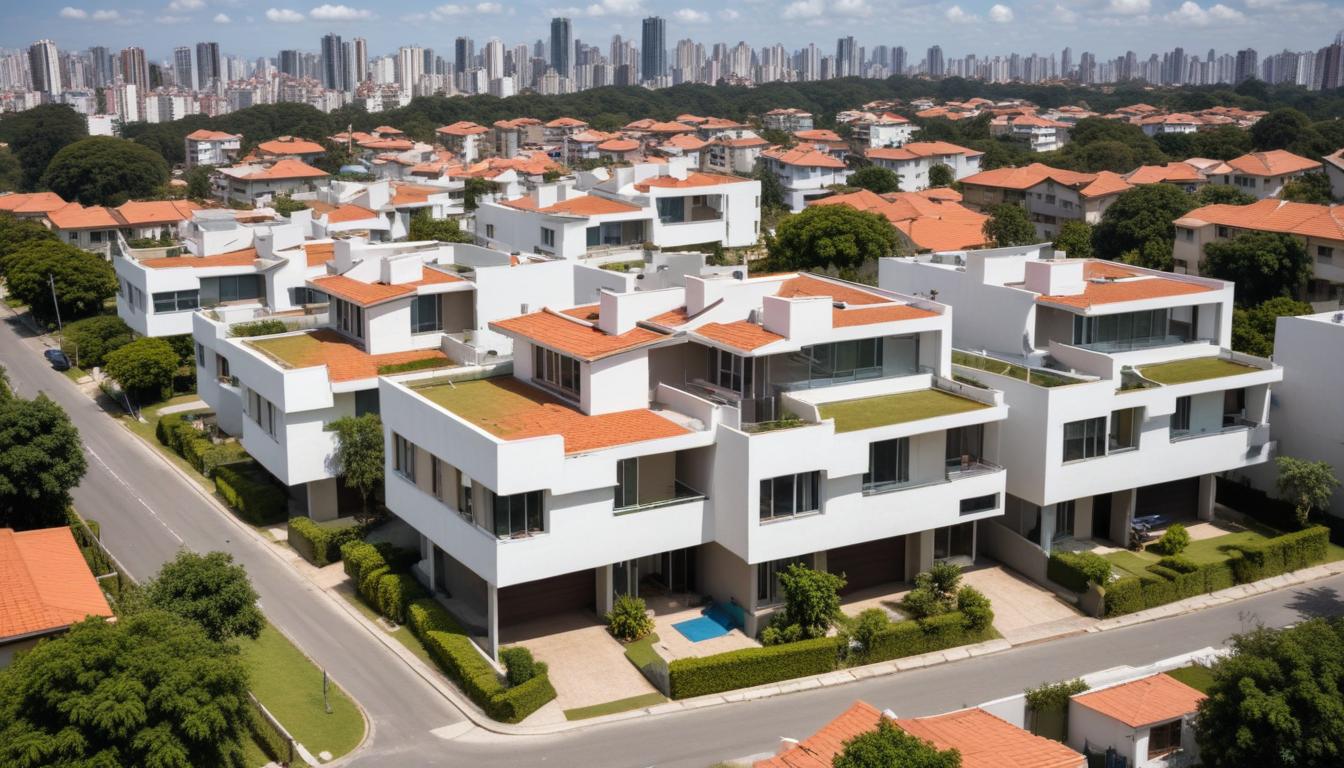
Tenants, meanwhile, are navigating a market where supply has loosened but quality expectations remain elevated. Renters seeking furnished or semi-furnished units in Vila Madalena or the Jardins cluster face landlords increasingly willing to negotiate terms—a shift from the seller's market conditions of recent years. Yet in growth corridors like Tatuapé and Mooca, where younger professionals and families are relocating, competitive pressure persists, keeping rental rates firm.
The dynamic has created two distinct rental ecosystems within the city. In established luxury zones, landlords are offering longer lease terms, renovation allowances, or flexible move-in dates to secure reliable tenants. Property managers report rising interest in corporate housing arrangements, where companies negotiate annual rates for multiple units. This trend reflects broader uncertainty about yield sustainability in these sectors.
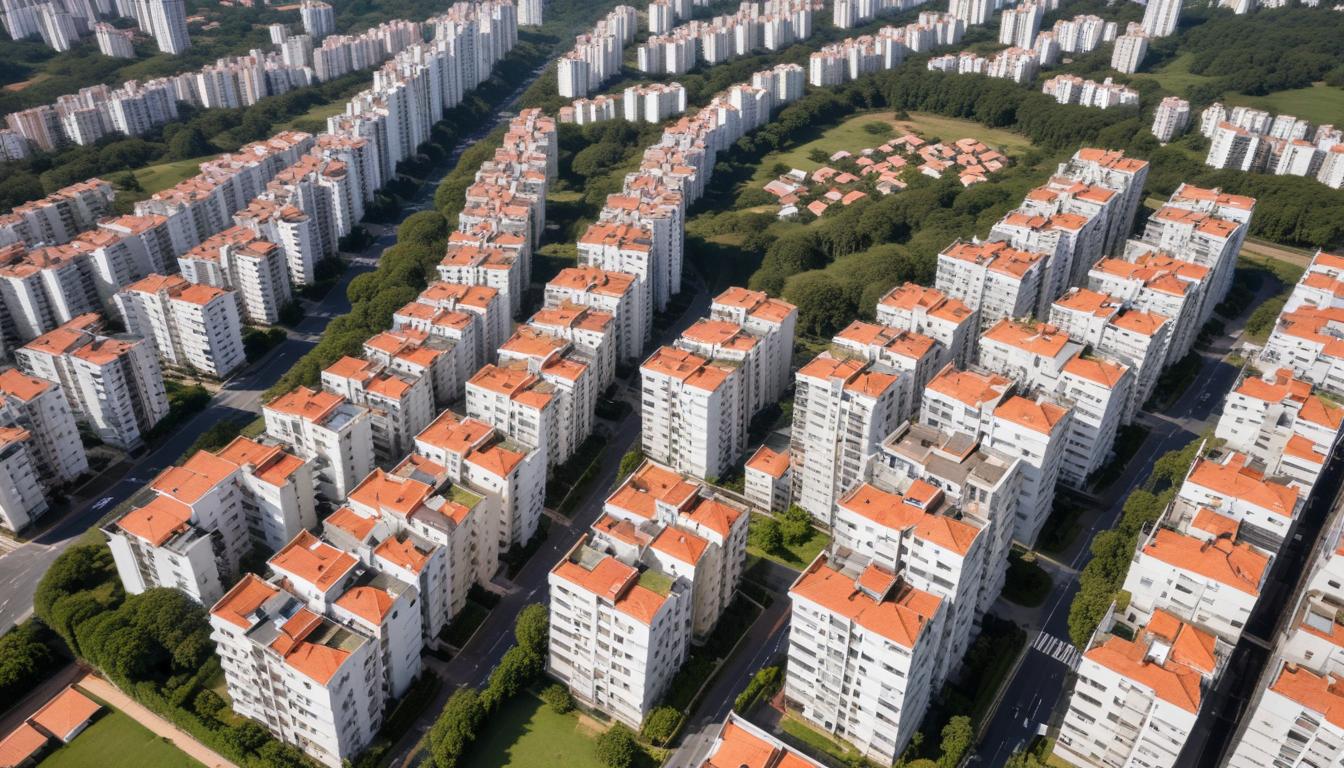
Growth zones tell a different story. Neighbourhoods undergoing infrastructure investment—particularly around metro extensions and new commercial hubs—are attracting younger demographics willing to pay premium rents. This migration pattern is reshaping where investors focus capital, with several recent transactions in Tatuapé recording above-average yields compared to their Jardins equivalents.
For tenant advocacy groups and housing organisations working across São Paulo, the rental pressure remains a concern. While market conditions have eased slightly for renters in luxury zones, affordability in inner-city neighbourhoods where younger professionals cluster remains constrained. The gap between what properties cost to maintain and what rents will bear continues to pressure both parties.
The rental market's trajectory will likely depend on broader economic factors—interest rate movements, corporate hiring patterns, and continued migration from São Paulo's periphery into inner suburbs. For now, both landlords and tenants are learning that São Paulo's rental landscape rewards flexibility and realistic expectations about what yields can sustain.
This article was compiled by AI from the sources linked above and screened before publishing. See our editorial standards.
How does this story make you feel?
Spread the word
About this article
Published by The Daily São Paulo
Daily brief
Free, in your inbox before 7am. Weekdays.
More in Property