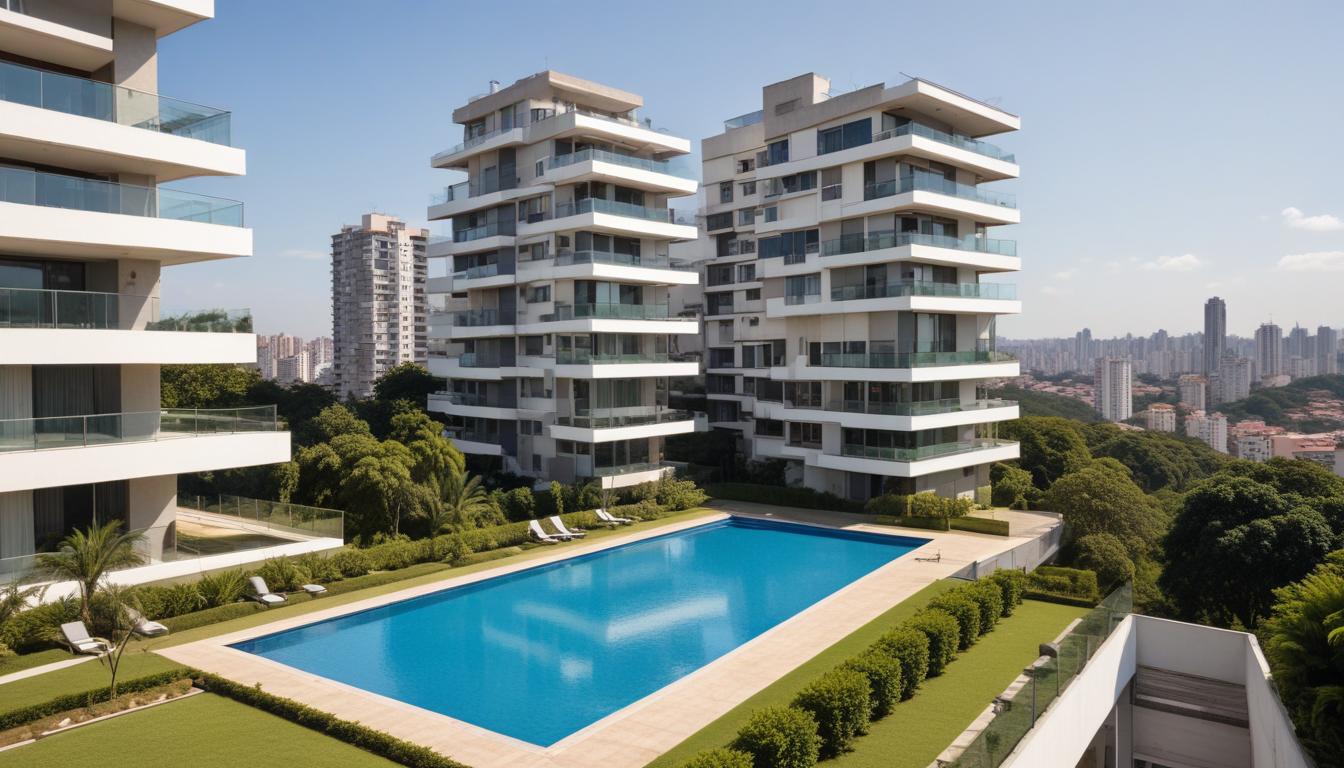
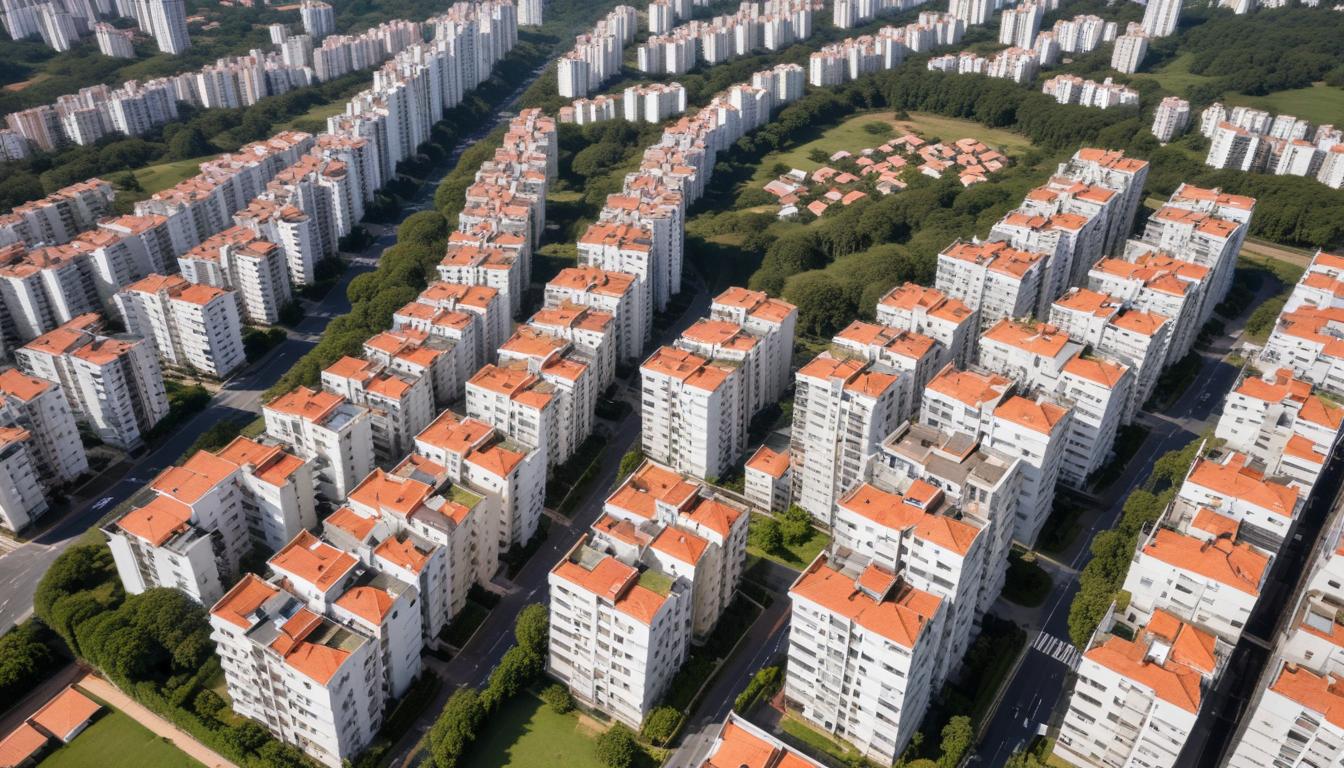
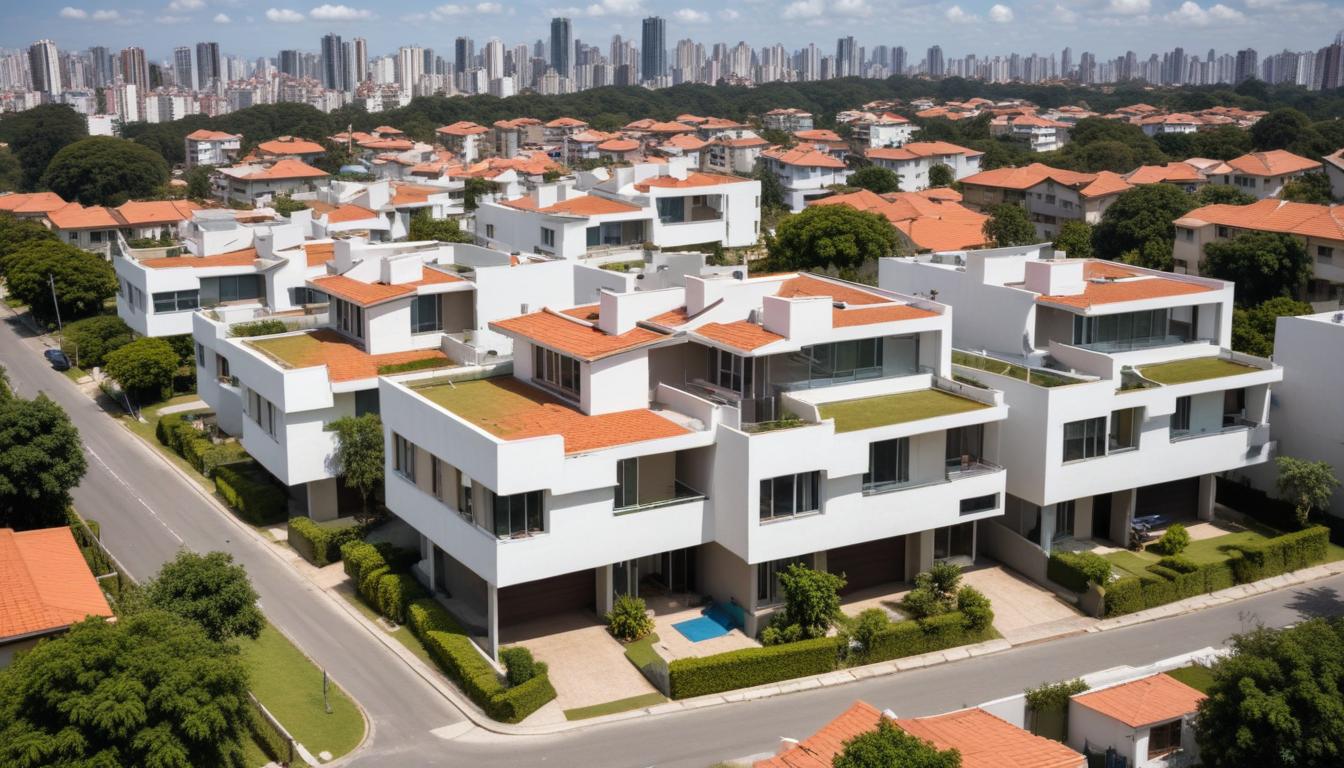
São Paulo's property market is experiencing a quiet but consequential transformation. In the past eight months, the city's planning department has approved 47 new zoning amendments—more than double the historical annual average—fundamentally altering where developers can build and at what density. The ripple effects are already visible in land prices and construction pipelines across distinct neighbourhoods.
The catalyst is a revised Zoning Code that prioritizes vertical development in previously underutilised corridors. Tatuapé and Mooca, historically working-class districts along the Tamanduateí River, have emerged as unexpected beneficiaries. Land parcels that traded at BRL 4,500 per square meter two years ago now command BRL 7,200—a 60 per cent jump in 18 months. Developers are racing to secure sites before further amendments close loopholes; three major residential projects broke ground in Mooca's commercial triangle between April and June alone.
Conversely, Vila Madalena and parts of Pinheiros face new restrictions on building heights and floor-area ratios, a policy designed to preserve neighbourhood character and ease pressure on infrastructure. The move has cooled speculative activity. Land sales in Pinheiros dropped 34 per cent by transaction volume in Q2 2026 compared to the same period last year, though premium residential values remain resilient—apartments near Rua Bela Cintra continue trading north of BRL 12,000 per square meter.
The planning shift reflects a broader strategy by São Paulo's municipal administration to decentralize growth. Rather than concentrate development in saturated zones like Itaim Bibi and Jardins—where congestion and infrastructure bottlenecks have become chronic—officials are leveraging zoning reform to steer investment eastward. Transit-oriented development near the Tatuapé and Belém Metro stations now enjoys expedited approval pathways.
However, the policy carries unintended consequences. Developers locked into long-term contracts for premium-zone land face margin compression. Several mid-sized builders have delayed or reconfigured projects in Jardins and Pinheiros to offset tighter density allowances. Simultaneously, rapid approvals in emerging zones are straining municipal oversight; two projects in Mooca required suspension notices within weeks of commencement due to deviation from approved plans.
Real estate advisors suggest the market is still pricing in this shift unevenly. While Tatuapé land has captured speculative attention, broader economic fundamentals—mortgage rates hovering near 10 per cent and consumer confidence stagnant—continue dampening demand for new-build housing. The policy changes matter, but they're operating within a constrained macroeconomic context that will ultimately determine whether São Paulo's ambitious zoning experiment delivers growth or merely reshuffles existing stock.
This article was compiled by AI from the sources linked above and screened before publishing. See our editorial standards.