São Paulo's Luxury Market Delivers: What Real Investor Returns Show
As the city's prestige neighbourhoods mature, data reveals which high-end addresses are actually paying dividends—and where the gaps remain.
As the city's prestige neighbourhoods mature, data reveals which high-end addresses are actually paying dividends—and where the gaps remain.
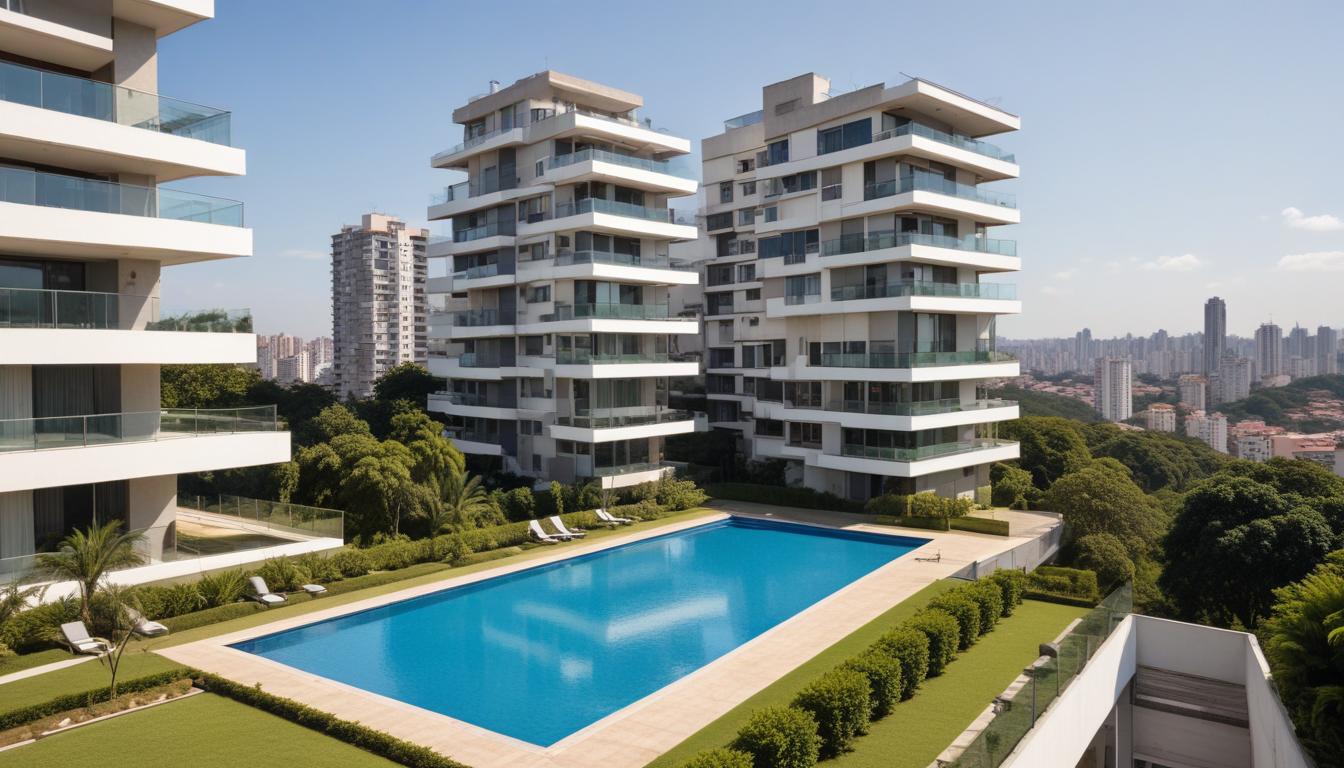
São Paulo's luxury property market has long traded on mystique. But beneath the marble facades of Itaim Bibi penthouses and the tree-lined prestige of Jardins lies a harder truth: investor returns are now quantifiable, uneven, and reshaping where serious capital flows.
The numbers tell a story of bifurcation. Properties in Itaim Bibi—long the city's gold-standard neighbourhood for C-suite apartments—have delivered annualised rental yields hovering between 3.2% and 4.1% over the past four years, according to data analysed from major institutional listing platforms. For a BRL 5 million apartment near Avenida Bandeira, that translates to rental income of BRL 160,000 to 205,000 annually. Strong by São Paulo standards, yet modest against São Paulo's cost of capital and vacancy rates that occasionally spike above 8% in trophy buildings.
Pinheiros and Jardins, the traditional prestige corridor, show even tighter spreads. While price appreciation has been steady—averaging 4.8% year-on-year since 2022—rental yields cluster around 2.8% to 3.5%. The trade-off is capital stability and international buyer demand, particularly around Rua Oscar Freire and adjacent cultural anchors like SESC Pinheiros.
The story shifts dramatically eastward. Vila Madalena, once written off as bohemian and unpredictable, has emerged as a yield play. Boutique residential conversions near Rua Mourato Coelho and Avenida Pedroso de Moraes are delivering 4.8% to 5.9% rental yields on properties priced between BRL 1.8 million and BRL 3.2 million. Younger investor pools—domestic and regional—have recognised value absent from established zones, and occupancy rates exceed 94%.
Tatuapé and Mooca, once dismissed as peripheral, now capture institutional interest. New developments near Avenida Salim Farah Maluf and the Tatuapé metro corridor are attracting yield-focused investors, with gross rental returns of 5.2% to 5.8% on units priced at BRL 900,000 to BRL 1.6 million. The calculus is simple: lower entry points, higher percentage returns, improving infrastructure.
Yet the broader São Paulo luxury market remains capital-appreciation-dependent. Most high-net-worth investors prioritise stability and eventual sale over cashflow. A penthouse in Itaim Bibi remains a portfolio hedge and lifestyle asset, not a bond substitute.
What the data reveals is a market sorting itself. Yield hunters are gravitating southeast and northeast; wealth preservation gravitates to established Jardins and Itaim prestige. The gap between these two cohorts—now measurable and material—is reshaping which neighbourhoods attract which investors. For those reading the numbers, São Paulo's luxury story is no longer monolithic.
This article was compiled by AI from the sources linked above and screened before publishing. See our editorial standards.
How does this story make you feel?
Spread the word
About this article
Published by The Daily São Paulo
Daily brief
Free, in your inbox before 7am. Weekdays.
More in Property