New Developments Reshape São Paulo's Rental Landscape—and Investor Returns
As major projects transform neighbourhoods from Vila Madalena to Tatuapé, savvy landlords are recalibrating yield strategies for a shifting market.
As major projects transform neighbourhoods from Vila Madalena to Tatuapé, savvy landlords are recalibrating yield strategies for a shifting market.

São Paulo's property investment calculus is changing. The arrival of large-scale residential and mixed-use developments across the city's key corridors is creating both opportunity and complexity for landlords navigating an increasingly segmented market.
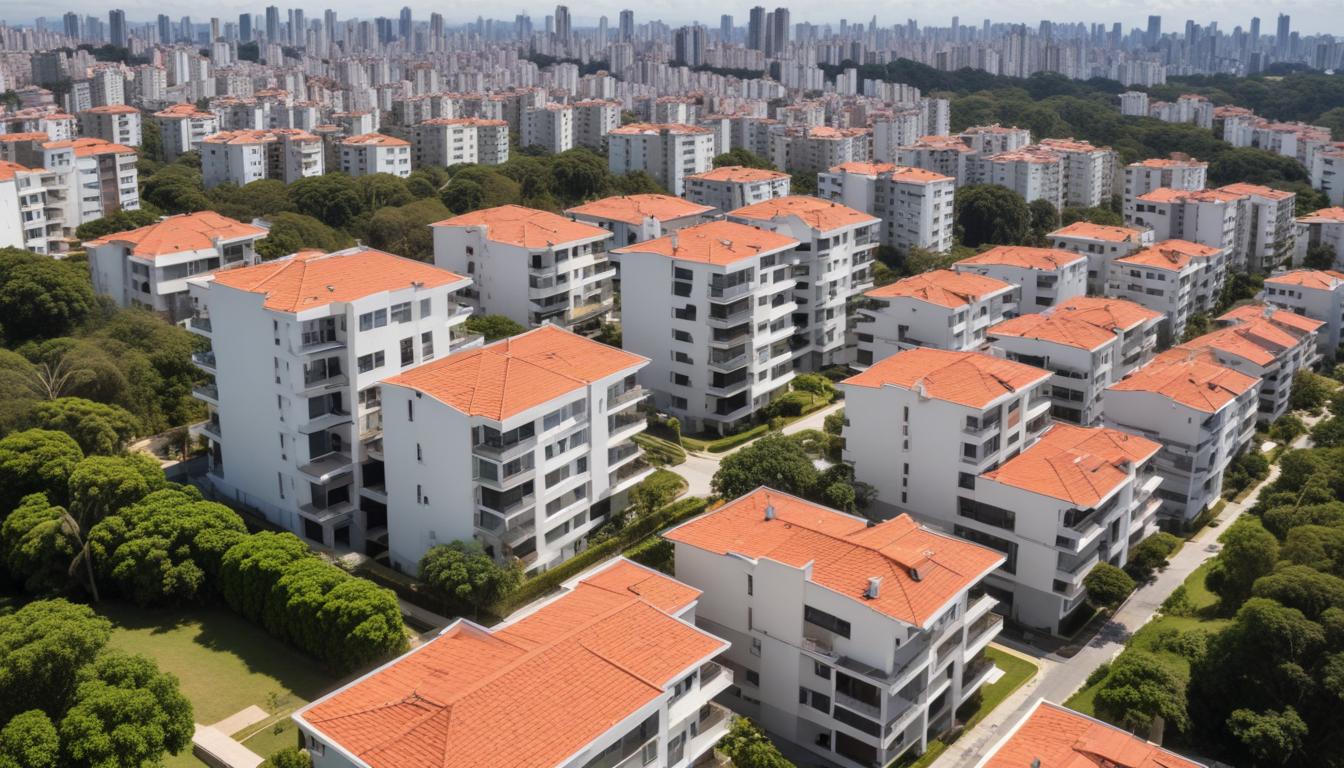
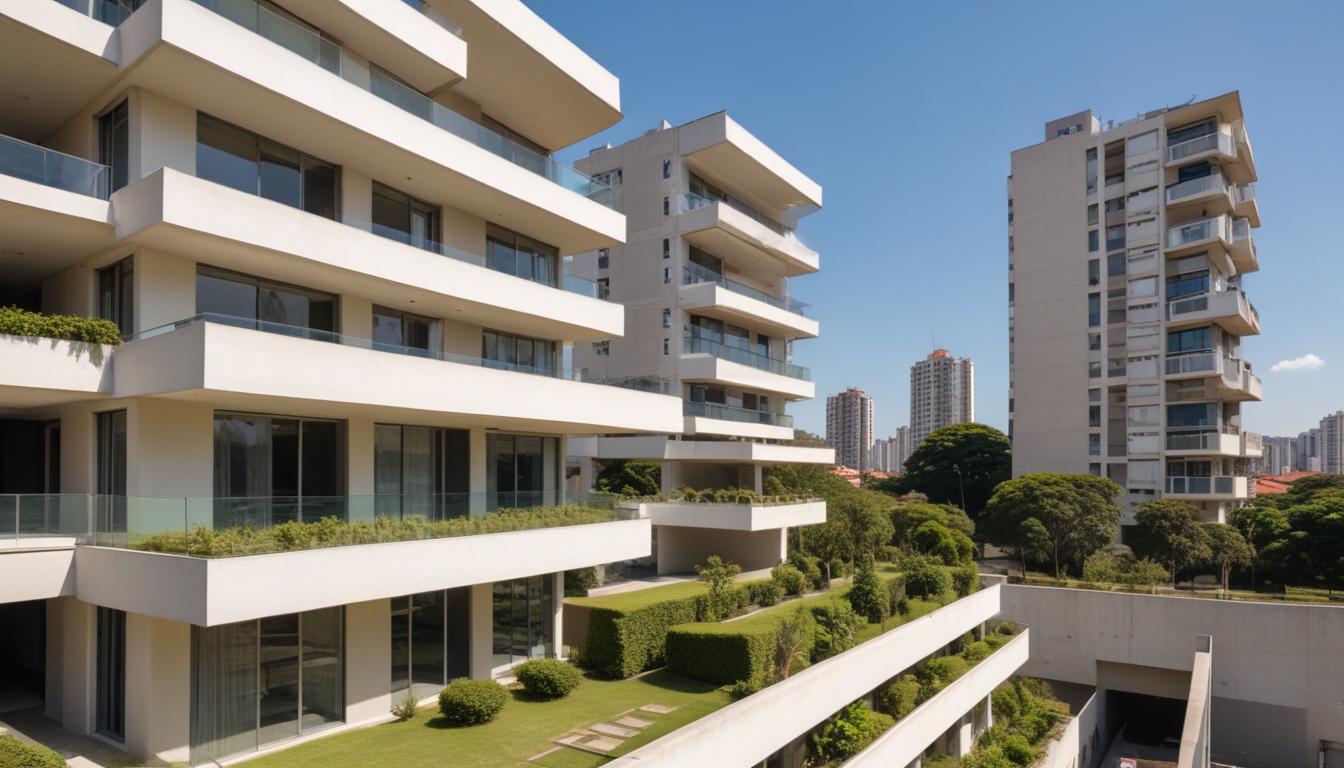
Consider the transformation along Avenida Paulista and its immediate tributaries. New apartment complexes—particularly those integrating retail and office space—are commanding premium positioning, yet rental yields tell a more nuanced story. Properties in established zones like Jardins and Pinheiros, trading at the city average of approximately BRL 10,000 per square metre, attract long-term corporate tenants but face yield compression as construction costs inflate. Conversely, emerging developments in Vila Madalena, where creative industries cluster around Rua Mourato Coelho and adjacent cultural venues, are proving magnets for younger professional demographics willing to pay premium rents for walkable, mixed-use environments.
The real action, however, is in secondary neighbourhoods experiencing infrastructure-driven gentrification. Tatuapé and Mooca, historically overlooked in favour of southzone prestige, are attracting developer interest alongside improved metro connectivity. New projects here offer investors a compelling arbitrage: lower acquisition costs than established areas, with rental demand driven by young families and mid-career professionals priced out of Itaim Bibi's luxury segment, where top-tier apartments command BRL 25,000 per square metre or more.
What matters for yield-focused investors is understanding how neighbourhood-level developments reshape tenant demand profiles. A major mixed-use complex bringing restaurants, gyms, and co-working spaces fundamentally changes the appeal calculus for renters. Properties within walking distance to these amenities typically command 12-15% rental premiums over comparable units in purely residential blocks—a meaningful uplift for stabilised portfolios.
However, timing matters acutely. Development announcements often inflate property values faster than rental income can follow. Investors who acquire during construction phases in emerging zones like northern Tatuapé may face 2-3 year yield pressure before neighbourhood amenities fully deliver and tenant pools solidify. The converse risk: buying established premium stock as new supply floods adjacent zones, potentially cannibalising yield from comparable properties nearby.
For landlords reassessing their São Paulo portfolios, the strategic question isn't whether new developments matter—they clearly do. It's whether your current holdings benefit from complementary neighbourhood evolution, or sit exposed to displacement risk as capital flows toward fresher, mixed-use precincts that appeal to today's rental demographic.
This article was compiled by AI from the sources linked above and screened before publishing. See our editorial standards.
How does this story make you feel?
Spread the word
About this article
Published by The Daily São Paulo
Daily brief
Free, in your inbox before 7am. Weekdays.
More in Property