Cranes Over Pinheiros: How Three Major Developments Are Reshaping São Paulo's West Side
From mixed-use towers to transit-linked residential complexes, new approvals in premium zones signal a pivot toward density and accessibility.
From mixed-use towers to transit-linked residential complexes, new approvals in premium zones signal a pivot toward density and accessibility.
São Paulo's property market is experiencing a coordinated construction surge in its most coveted addresses, with recent approvals signalling developers' confidence in the city's westward expansion—and pushback against the high-per-square-metre valuations that have long defined neighbourhoods like Pinheiros and Jardins.
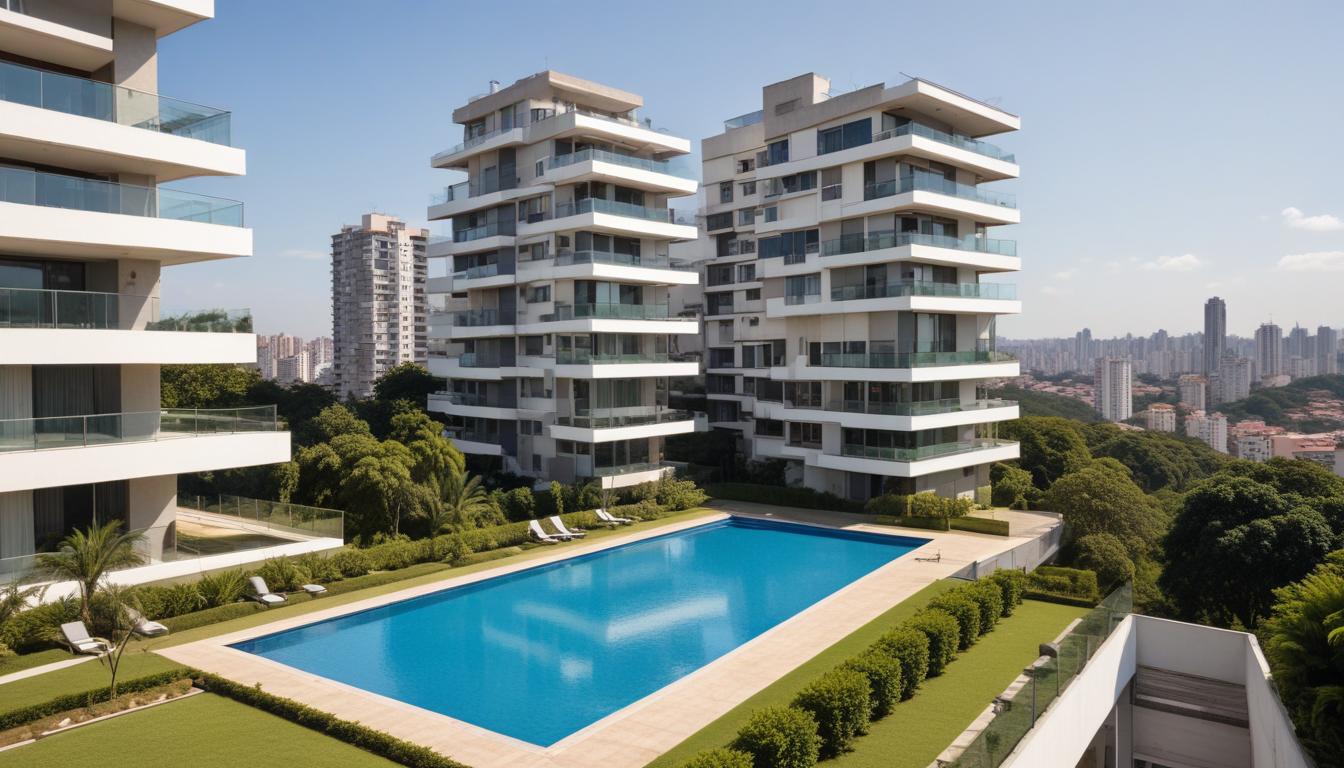
Three substantial projects approved in the past eight months tell the story. A mixed-use development near Rua Bandeira de Melo in Pinheiros—residential units anchored by ground-floor retail—responds to the neighbourhood's shift toward walkable, mixed-income urbanism. The 12-storey scheme will yield roughly 280 apartments, priced at an estimated BRL 9.5k–11.2k per square metre, below the neighbourhood's traditional BRL 12k–15k premium. For comparison, luxury towers in nearby Itaim Bibi continue commanding BRL 13k–16k, making Pinheiros' entry point increasingly attractive to downsizers and young professionals.
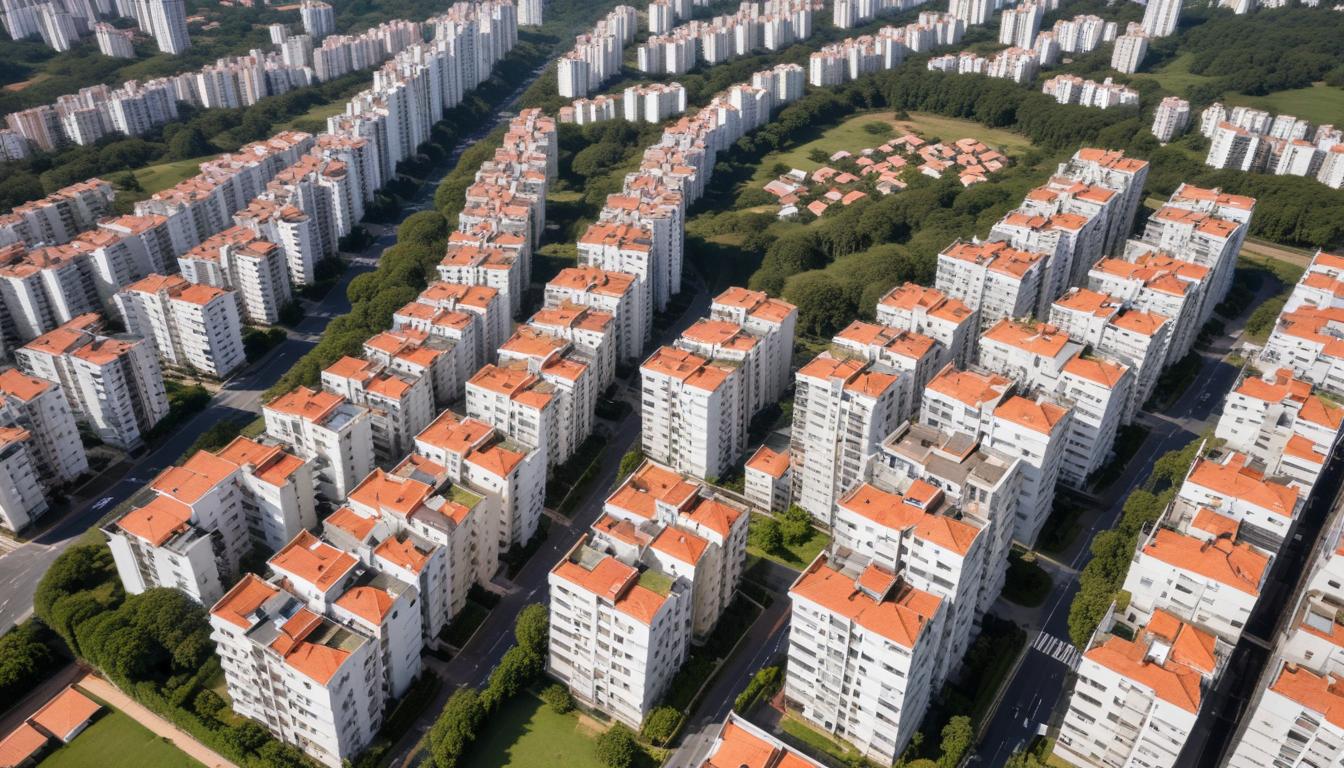
Meanwhile, two transit-oriented projects—one linked to future Linha C expansion near Tatuapé, another within walking distance of the Vila Madalena Metro station—underscore developer appetite for areas with improving connectivity. Tatuapé, long positioned as São Paulo's emerging growth corridor, now hosts multiple residential approvals across the BRL 8k–10k per-square-metre band, a shift that real-estate observers attribute to the Metropolitan Train Company's infrastructure commitments.
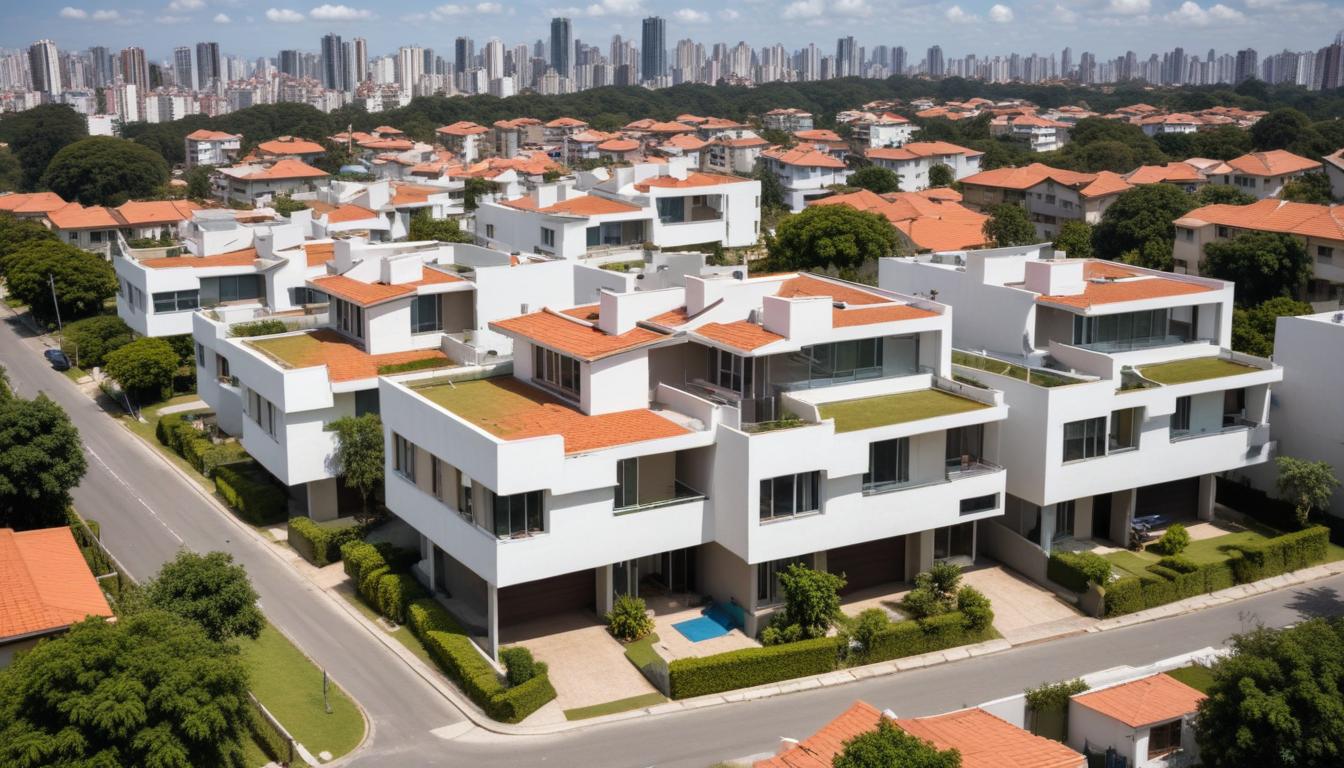
What distinguishes this approval wave is its emphasis on neighbourhood amenity. Unlike the car-centric developments of prior decades, projects now integrate public plazas, ground-level services, and pedestrian thoroughfares. The Vila Madalena scheme includes a 1,200-square-metre public courtyard adjacent to Rua Aspicuelta, a move that local business associations have welcomed as counter to the area's boutique-gallery character.
Regulators have flagged concerns, however. The Municipal Planning Authority has issued guidance on parking ratios and environmental compliance—reflective of São Paulo's push toward lower-car dependency and carbon-reduction targets. Developers report longer approval timelines, but most view compliance as a competitive filter rather than a barrier.
For residents and investors, these shifts carry clear implications. Neighbourhoods like Pinheiros and Tatuapé are transitioning from static, heritage-coded zones into dynamic urban destinations. Price appreciation will likely moderate—good news for buyers, less so for those holding older assets. And for the broader city, the approval pipeline suggests that São Paulo's property market is gradually rebalancing: away from isolated luxury towers and toward mixed-use, accessible urbanism.
This article was compiled by AI from the sources linked above and screened before publishing. See our editorial standards.
How does this story make you feel?
Spread the word
About this article
Published by The Daily São Paulo
Daily brief
Free, in your inbox before 7am. Weekdays.
More in Property