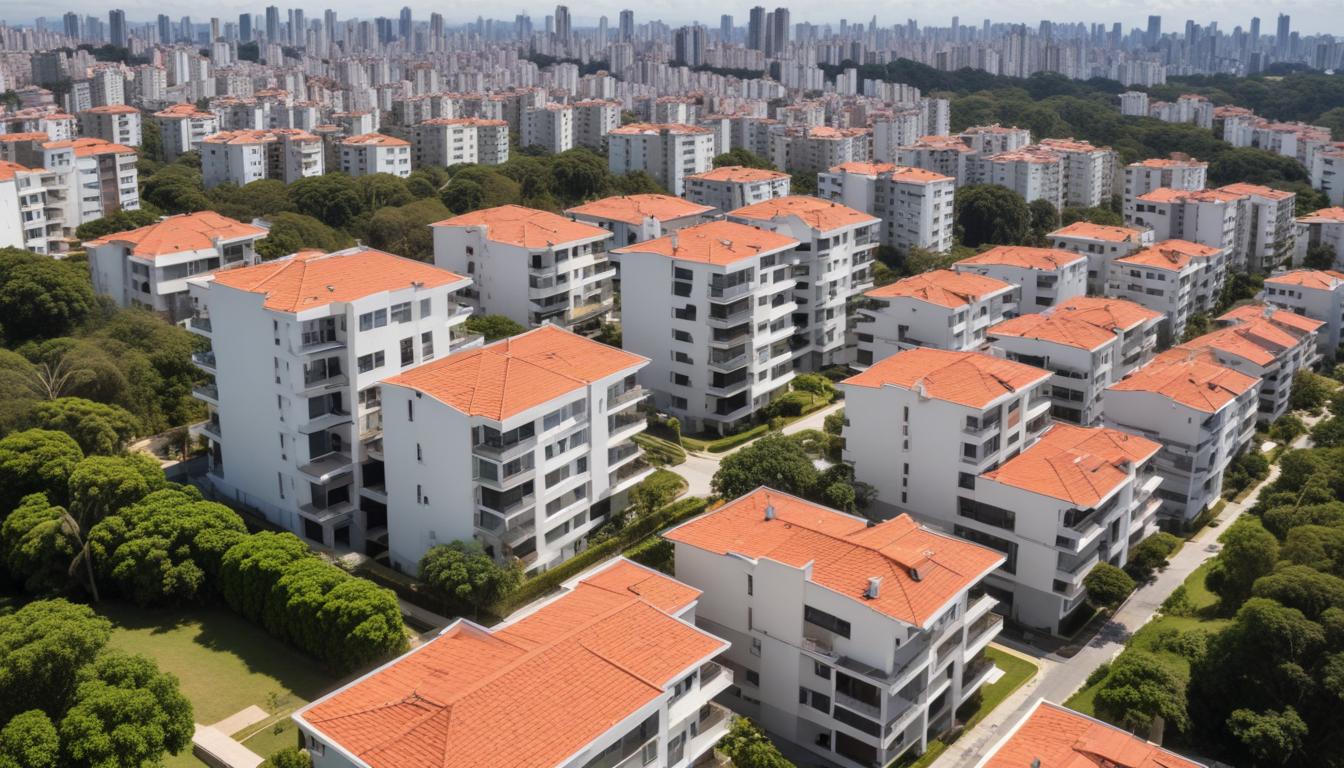
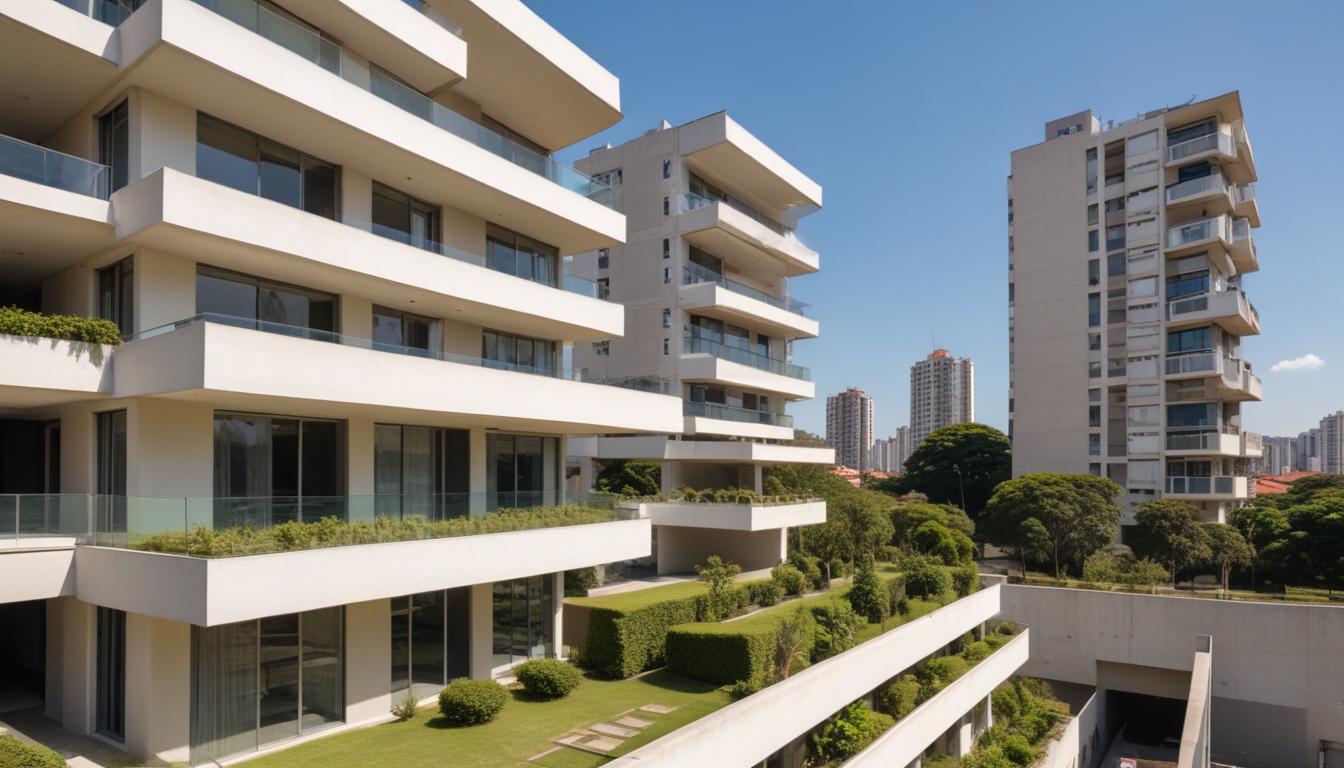
São Paulo's property market is sending a clear message to investors willing to read between the data: the era of unchecked appreciation in Jardins and Pinheiros is cooling, while overlooked neighbourhoods are attracting serious capital.
The most telling signal emerged last month when a 1,200-square-metre parcel in Tatuapé sold at auction for R$11.8 million—a price that would have been unthinkable three years ago. The lot, positioned between Avenida Radial Leste and Rua Tuiuti, sold at 94% of its reserve value, defying the broader trend of declining clearance rates across metropolitan São Paulo. This isn't accident. Developers tracking transport infrastructure and commercial density see the eastern corridor—long dismissed as industrial—undergoing quiet but measurable transformation.
Compare this to recent auction activity in Itaim Bibi, where luxury residential lots have languished with clearance rates hovering near 67%. Properties that commanded R$18,000 per square metre two years ago now struggle to justify R$15,500. The market is correcting.
Vila Madalena tells a different story. Here, price data from the past eighteen months shows stabilisation rather than depreciation. Boutique apartments near Rua Fradique Coutinho and the Beco do Batman cultural precinct are holding their R$12,000–R$14,000 per square metre range, supported by steady international investor interest and a robust cultural ecosystem. But growth has plateaued—appreciation barely tracking inflation.
The real opportunity, auction results suggest, lies in secondary corridors. Mooca and Tatuapé—historically overlooked as working-class manufacturing districts—are attracting mixed-use development capital. Two major land auctions in Mooca over the past six weeks generated bids exceeding reserve prices by 8–11%, signalling developer confidence in transport-oriented development around Metrô Tatuapé station.
Price density data from the past quarter reinforces the pattern. While Pinheiros held steady at R$9,800–R$11,200 per square metre, Tatuapé appreciated 6.3% and Mooca 5.8%. These aren't headline-grabbing figures, but they're directional: institutional capital is rotating.
For investors, the message is uncomfortable for those holding premium-zone expectations. The clearance rate decline citywide—now at 58% on residential sales—masks a geographical recalibration. Established luxury neighbourhoods face headwinds from interest rates and regulatory tightening. Emerging zones with credible infrastructure narratives are attracting committed buyers and developers.
São Paulo's next cycle may not belong to Jardins. It belongs to whoever positioned capital in the eastern and southern corridors before the data became obvious to everyone.
This article was compiled by AI from the sources linked above and screened before publishing. See our editorial standards.