São Paulo's development landscape is shifting in ways that auction results and price movements are making increasingly hard to ignore. While the city's average sits around BRL 10,000 per square metre, the divergence between what developers are buying and what buyers are actually paying tells a more nuanced story about where construction will boom—and where it might stall.
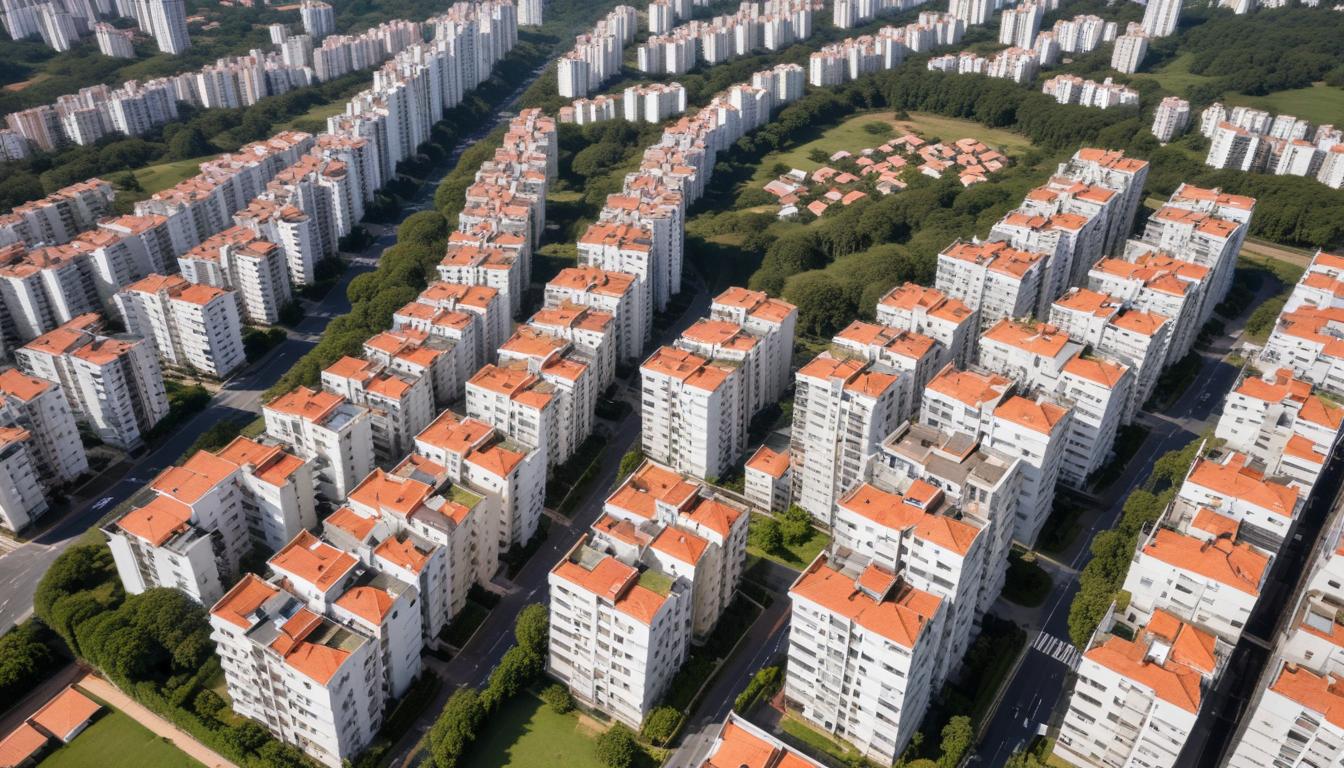
Recent land auctions in Tatuapé and Mooca reveal developers' growing confidence in the east zone. Parcels that might have seemed marginal five years ago are now commanding premiums that justify mid-rise residential blocks. One vacant lot near Avenida Paulista's eastern extension sold for just under BRL 1.8 million despite a compressed buyer pool—a signal that developers see infrastructure investment and demographic density as worth the risk. This mirrors what's happening along the Pinheiros expansion corridor, where land velocity is accelerating faster than in traditional Jardins strongholds.
By contrast, the Jardins and Pinheiros markets are sending a different message. While individual apartment sales remain robust, land assembly for new developments has slowed noticeably. Auction results here show fewer trades, longer holding periods, and tighter margins. Developers appear to be pausing on new approvals in these zones, preferring to wait out elevated land costs before committing to construction. This suggests the premium inner-west's next wave of supply won't arrive quickly.
Vila Madalena presents perhaps the most interesting case. This neighbourhood's reputation for trendiness has collided with regulatory tightening around height limits and heritage considerations. Recent approval timelines have stretched from 18 months to well over two years. Auction data shows land prices holding firm—BRL 12,000 to BRL 14,000 per square metre—but transaction volumes are down sharply. Developers are being more selective, which means fewer mid-sized projects and more competition for shovel-ready sites.
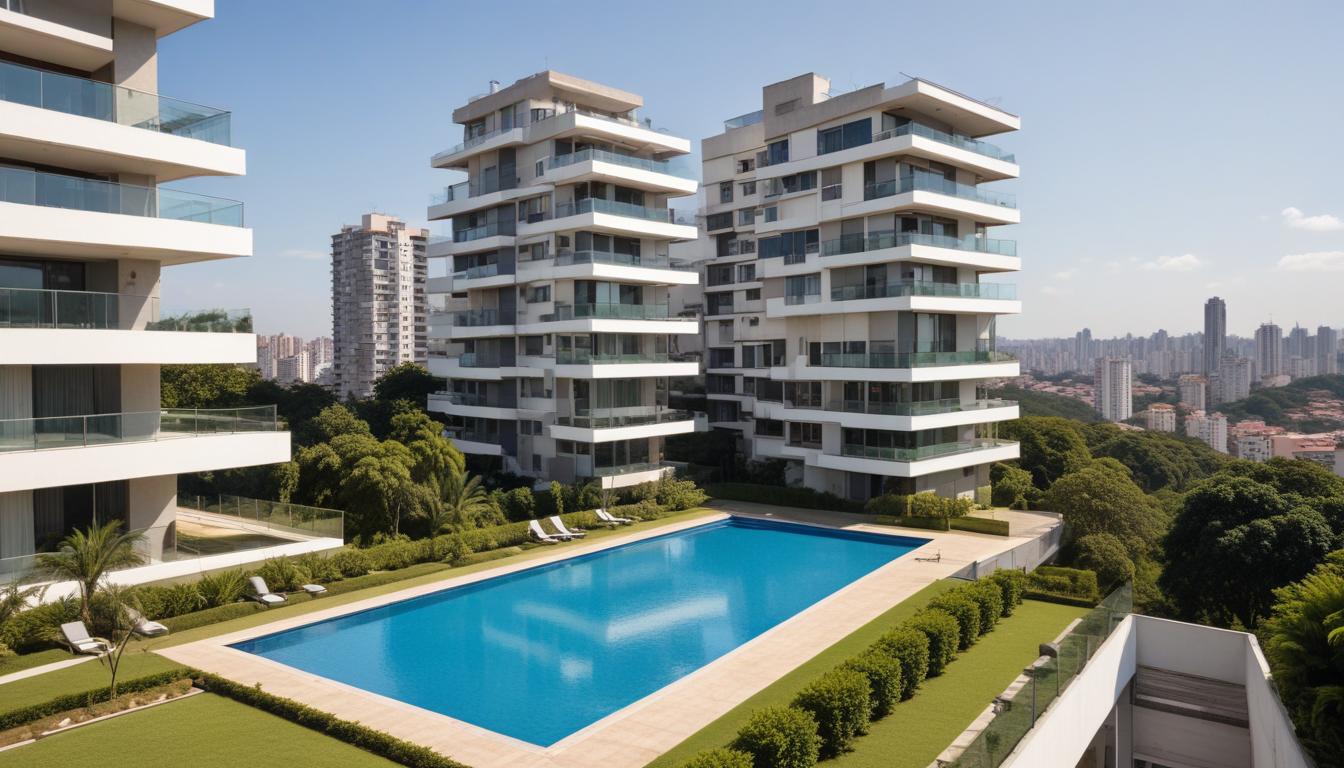
The luxury high-rise market in Itaim Bibi tells yet another story. Land values here remain steep, but finished apartment sales data suggests buyer resistance to new-build pricing. Several major projects have extended marketing campaigns, and a few have scaled back unit counts. This indicates developers are recalibrating expectations and, consequently, being more cautious about greenlighting new approvals.
What emerges from this patchwork is a São Paulo property market where construction approvals will cluster in growth zones with improving connectivity and lower land bases, while mature premium neighbourhoods consolidate. Auction results aren't lying: they're showing us where developer capital is actually flowing, and where it's holding back to watch.
This article was compiled by AI from the sources linked above and screened before publishing. See our editorial standards.