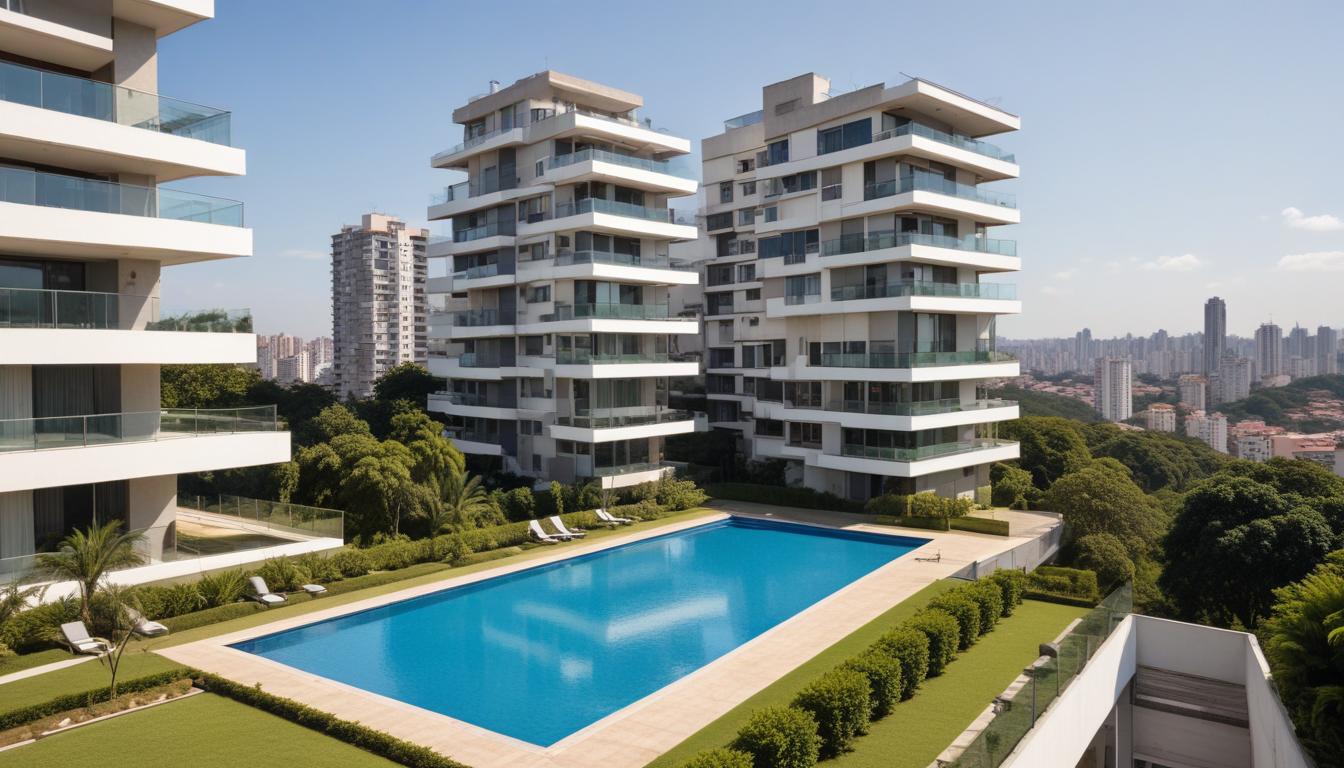
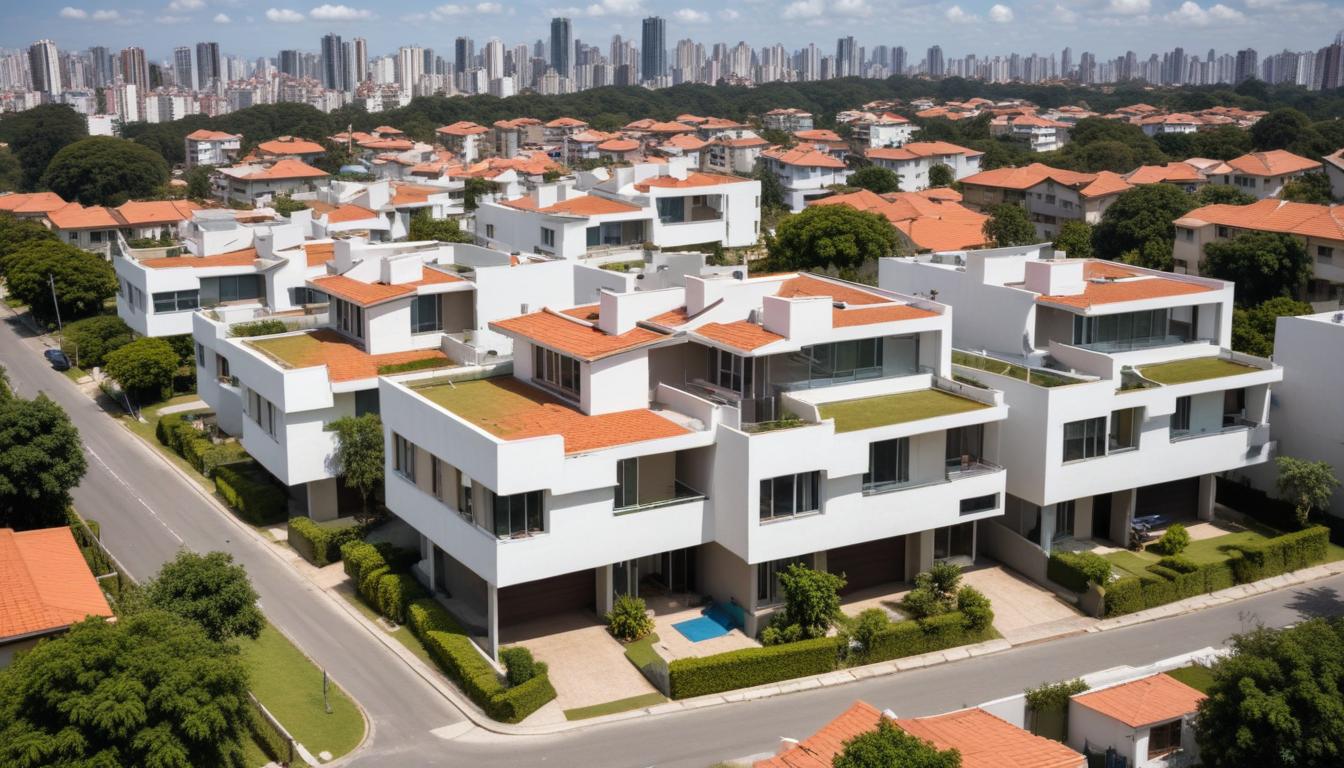
The São Paulo luxury property market is sending mixed signals, and the data tells a more nuanced story than headline prices suggest. While average residential values across the city hover around BRL 10,000 per square metre, the premium segments—particularly in Jardins, Pinheiros, and Itaim Bibi—are experiencing a divergence that challenges assumptions about uniform strength in high-end real estate.
Recent auction results and off-market transactions reveal that ultra-premium properties in Itaim Bibi and along Avenida Paulista are maintaining resilience, with select penthouses and townhouses commanding BRL 25,000 to BRL 35,000 per square metre. These transactions, often involving international investors and local wealth holders, suggest continued appetite for trophy assets in São Paulo's most prestigious addresses. However, the broader luxury segment—properties in the BRL 15,000–20,000 range across Jardins and Vila Madalena—is showing signs of caution, with extended marketing periods and negotiated discounts becoming more common.
Data from recent estate auctions conducted by major São Paulo brokerages indicates that while clearance rates for standard residential properties have softened, luxury lots above BRL 3 million are moving, but at slower velocity and with wider bid-ask spreads. This divergence mirrors patterns seen in global luxury markets: apex properties retain scarcity value, while the broader luxury bracket faces headwinds from rising interest rates and economic uncertainty.
Vila Madalena's emergence as a trendy alternative to traditional Jardins strongholds is also reshaping market signals. Properties in converted heritage buildings around Rua Mourato Coelho are attracting younger, entrepreneurial buyers willing to pay BRL 12,000–18,000 per square metre for lifestyle and location—a segment competing directly with conventional luxury offerings in Pinheiros.
The data also points to a sector-specific story. Commercial-residential hybrids and office conversions near Avenida Brasil and in Tatuapé are attracting development capital, signalling investor confidence in emerging precincts even as traditional luxury consolidates in established zones.
For sellers and agents, the message is clear: positioning matters more than ever. Trophy properties with documented heritage, premium addresses, and lifestyle amenities command multiples that defy broader market softness. Everything else requires narrative—and patience. The auction block, once a forced-sale venue, is now a barometer of true market health, revealing where real demand lives and where premium pricing remains aspirational rather than achievable.
This article was compiled by AI from the sources linked above and screened before publishing. See our editorial standards.