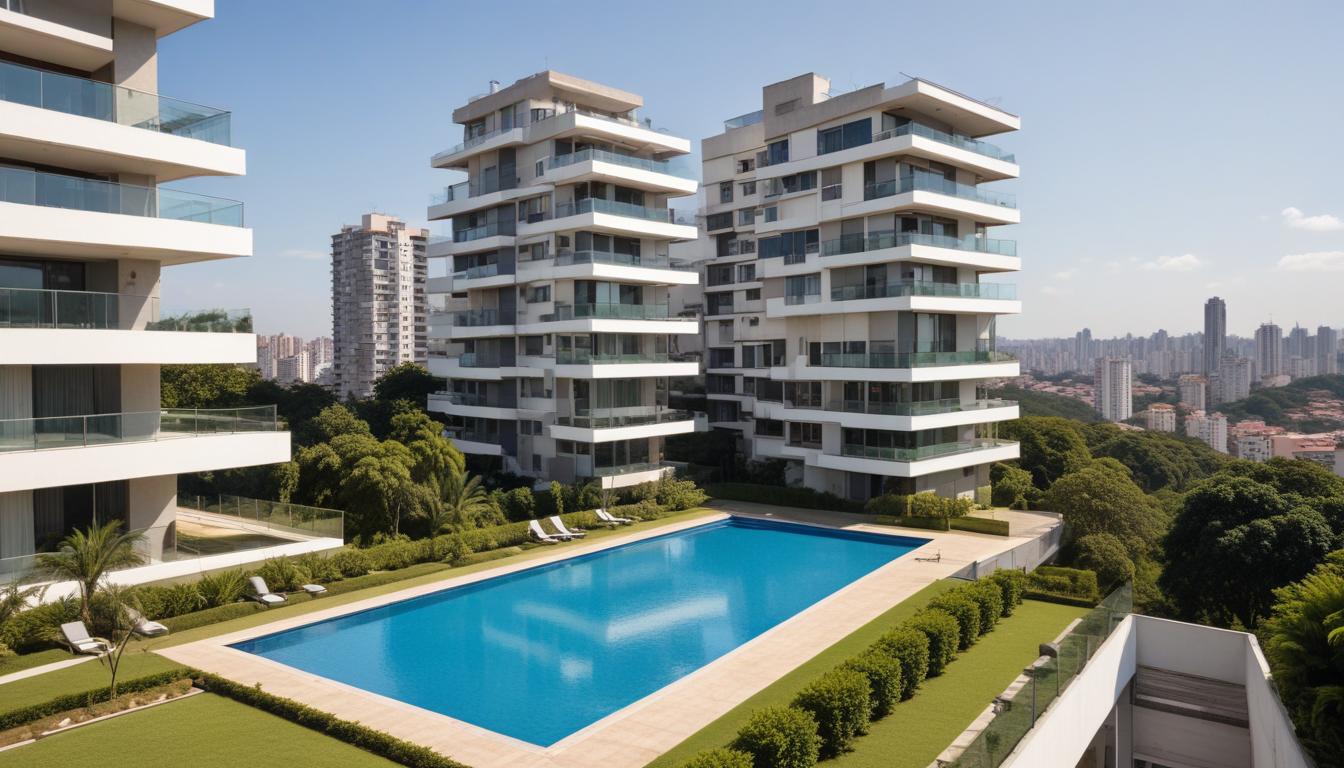
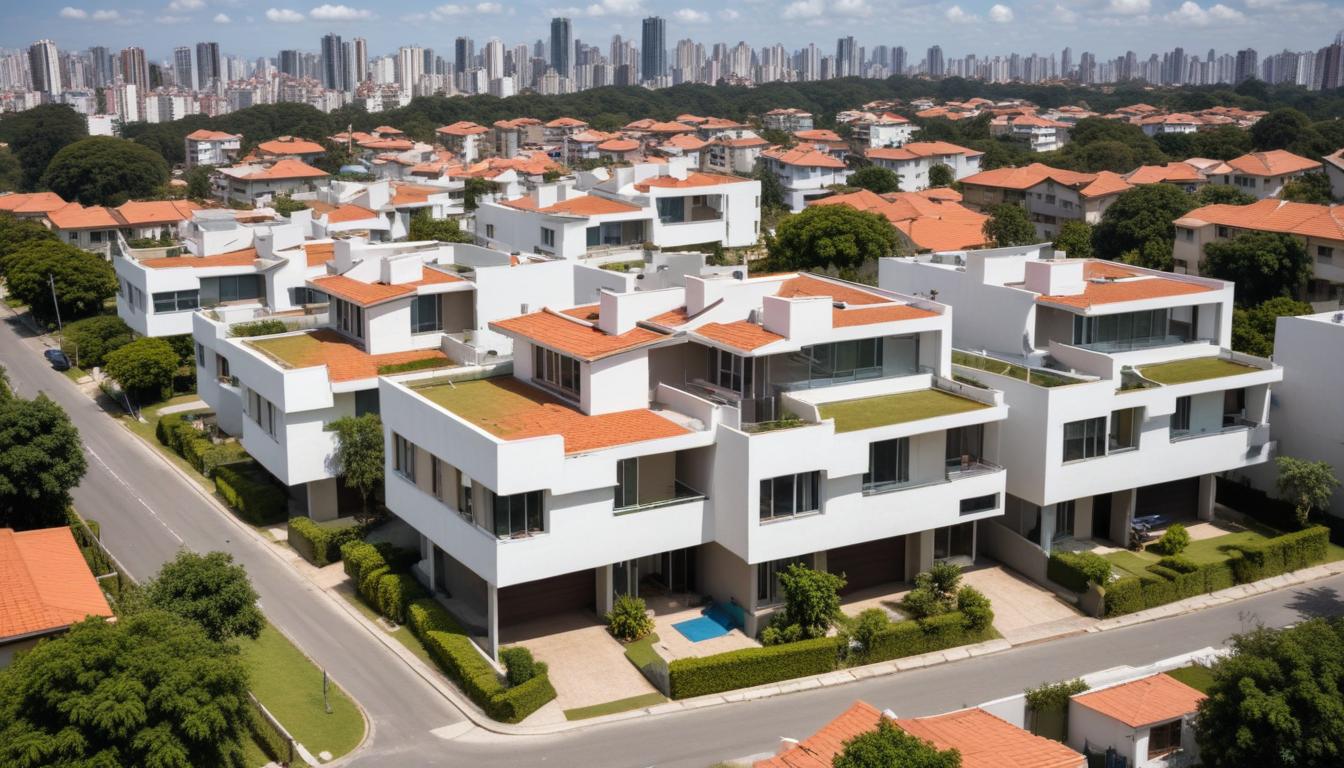
The São Paulo luxury rental market is experiencing a paradoxical squeeze. While headline prices in prestige addresses like Avenida Paulista and Rua Bandeira in Jardins command premium yields, both landlords and tenants are navigating tighter conditions that are reshaping traditional agreements.
Data from local property consultancies suggests that vacancy rates in high-end residential towers—particularly in Itaim Bibi and Pinheiros—have compressed to around 8–10%, well below the 12–15% range seen two years ago. For landlords, this tightness theoretically favours rental growth. Yet the reality is more nuanced. International tenants, historically reliable renters in neighbourhoods like Vila Madalena and around Parque Ibirapuera, are increasingly negotiating longer lease terms in exchange for modest annual increases rather than accepting steep annual jumps.
Meanwhile, the emergence of corporate housing platforms and flexible lease models has fragmented traditional rental patterns. Premium apartments in Itaim Bibi that once commanded BRL 15,000–20,000 per month are now competing with serviced apartments and co-living spaces, forcing landlords to reconsider amenities and flexibility rather than relying solely on location premium.
For tenants—particularly expatriate executives and high-net-worth individuals—the calculus has shifted. Furnished short-term rentals in Pinheiros and Jardins now routinely include housekeeping and maintenance, blurring the line between traditional rental and hospitality. This has created pressure on traditional landlords to upgrade beyond basic furnished units, adding significant capex requirements.
The Crediária property index shows that while average rental yields in central São Paulo hover around 5–6%, luxury properties are increasingly delivering closer to 4–5% when accounting for vacancy periods and tenant acquisition costs. This compression has prompted some institutional investors to reconsider their hold strategies in trophy assets around Avenida Brigadeiro Faria Lima.
Regulatory shifts also loom. Discussions around tenant protections and dispute resolution mechanisms—currently fragmented across municipal and state jurisdictions—threaten to impose additional compliance costs on landlords, particularly those managing multiple units across different neighbourhoods.
The net effect: São Paulo's luxury rental market is maturing. Landlords must now compete on service and flexibility, not just prestige location. Tenants, meanwhile, are leveraging tighter supply and competing options to secure better terms. In Itaim Bibi's penthouses and along Rua Oscar Freire's converted mansions, the age of passive landlordism is quietly ending.
This article was compiled by AI from the sources linked above and screened before publishing. See our editorial standards.