For nearly a decade, São Paulo's property narrative has centred on a familiar cast: Jardins, Pinheiros, Vila Madalena, Itaim Bibi. But as construction permits accelerate across Tatuapé, once relegated to the periphery of investor attention, the neighbourhood is crystallising as the city's most compelling emerging hotspot.
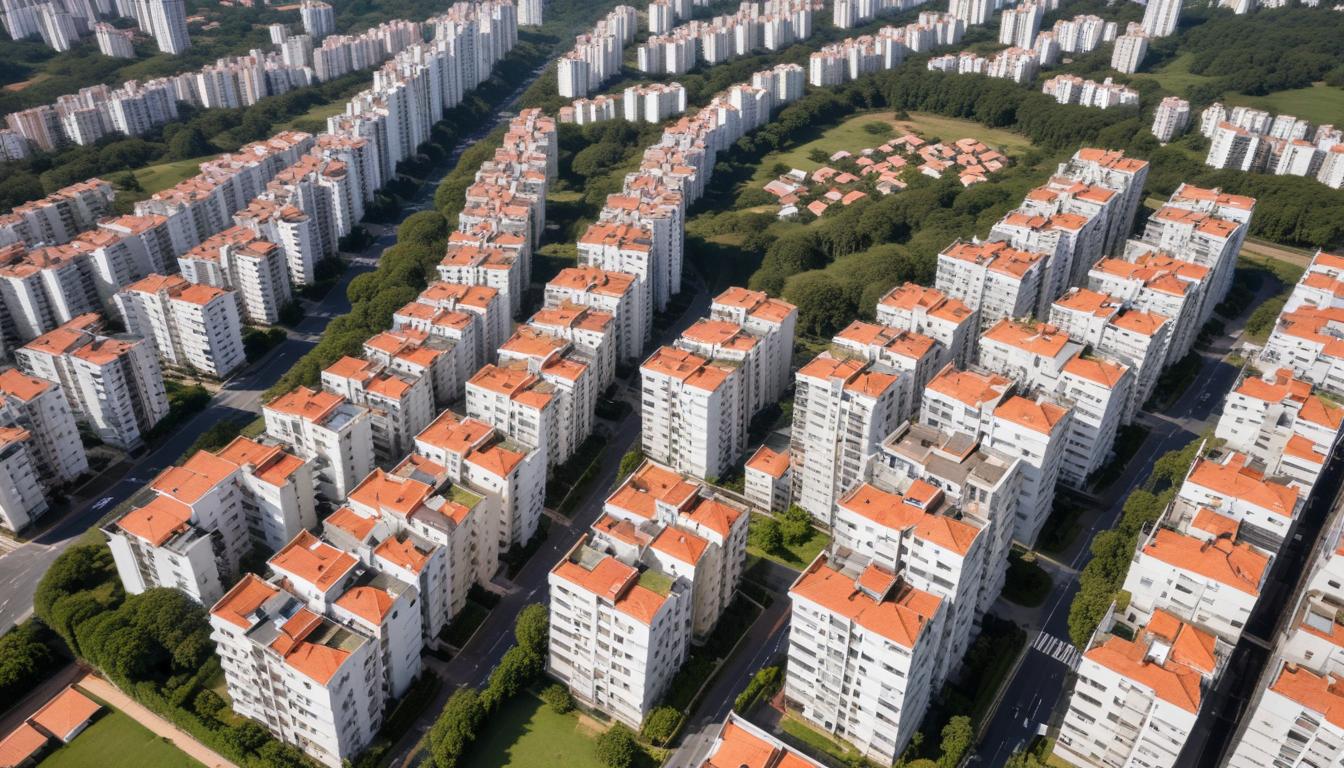
The numbers tell a striking story. While central São Paulo hovers around BRL 10,000 per square metre, Tatuapé's comparable properties sit 25–35% lower, yet land approvals have jumped 42% year-on-year. Three major residential projects have broken ground in the past eighteen months along Avenida Celso Garcia alone, with mixed-use developments anchoring nearby stretches of Rua Tuiuti and Rua Mato Grosso.
What's driving the shift? Infrastructure maturity combined with strategic city planning. The Tatuapé Metro Station, once underutilised, now serves as a genuine anchor for commuter-friendly demographics. Proximity to the expanding business corridor of Mooca—historically seen as a secondary market—has reframed the entire East Zone as a logistics and residential sweet spot. City approvals for commercial-residential mixed-use zoning along the Avenida Paulista extension corridor have signalled genuine municipal backing for transformation.
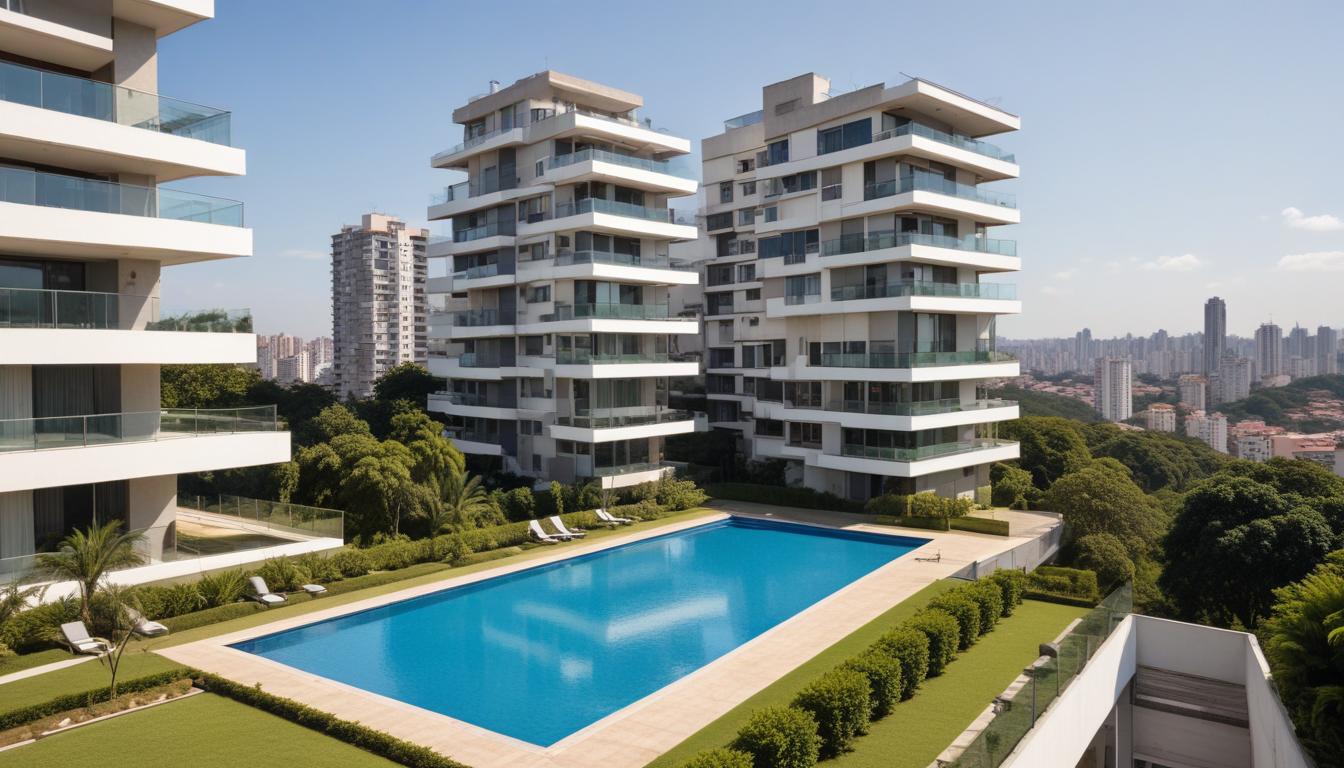
Developers have responded boldly. Major projects typically target the BRL 8,000–12,000 per square metre range, positioning units at roughly 40% below Pinheiros equivalents while offering comparable finishes and amenities. Pre-sales momentum suggests serious appetite: several projects reported 65% unit absorption within three months of launch.
The neighbourhood's cultural momentum shouldn't be overlooked either. Small galleries, craft breweries, and independent restaurants have colonised pockets of Vila Mariana and Tatuapé proper, mirroring—albeit modestly—Vila Madalena's earlier trajectory. Young professionals and young families are actively choosing the area, not simply settling for it.
That said, realism matters. Tatuapé remains a transit neighbourhood, not an arrival destination like Itaim Bibi's luxury enclave. Infrastructure gaps persist: local schools remain uneven in quality, and cultural amenities cluster rather than saturate. Public transport integration, while improving, still lags the West Zone's convenience.
But for investors with a 3–5 year horizon, or owner-occupiers comfortable trading some cachet for substantially more space and faster capital appreciation, Tatuapé's moment appears genuine. As premium neighbourhoods price beyond reach for middle-market buyers, the East Zone's renovation is shifting from whispered opportunity to mainstream conversation. The city's development pipeline suggests that shift will accelerate further.
This article was compiled by AI from the sources linked above and screened before publishing. See our editorial standards.