The São Paulo rental market is sending mixed signals in mid-2026, and savvy investors are learning to read between the lines. While the city's average property price hovers around BRL 10,000 per square metre, gross rental yields—the annual rental income divided by property value—tell a more nuanced story about where money actually flows.
In established premium zones like Jardins and Pinheiros, yields typically range between 4–5.5% gross, with some corner units near Avenida Paulista commanding slightly higher returns due to foot traffic and commercial spillover. However, net yields after maintenance, taxes, and vacancy periods often drop to 2.5–3.5%. These neighbourhoods trade yield for stability and tenant quality. The demand from corporate relocations and international professionals keeps occupancy rates consistently above 90%.
The trend-chasing investor's favourite, Vila Madalena, presents a different equation. Gross yields push toward 5–6%, reflecting the neighbourhood's younger demographic and higher turnover. Yet volatility matters here. A three-bedroom apartment renting for BRL 4,500 monthly on a BRL 900,000 purchase price looks attractive on paper, but tenant retention remains unpredictable, and maintenance costs for heritage-listed buildings can surprise.
Growth corridors like Tatuapé and Mooca are where emerging yields deserve attention. Properties around Rua Vergueiro and near the Tatuapé metro station increasingly yield 6–7% gross, partly because purchase prices remain 20–30% below central zones. For landlords willing to accept slightly longer tenant screening and smaller profit margins per unit, these neighbourhoods offer compound-friendly returns, especially as commercial development along the corridor accelerates.
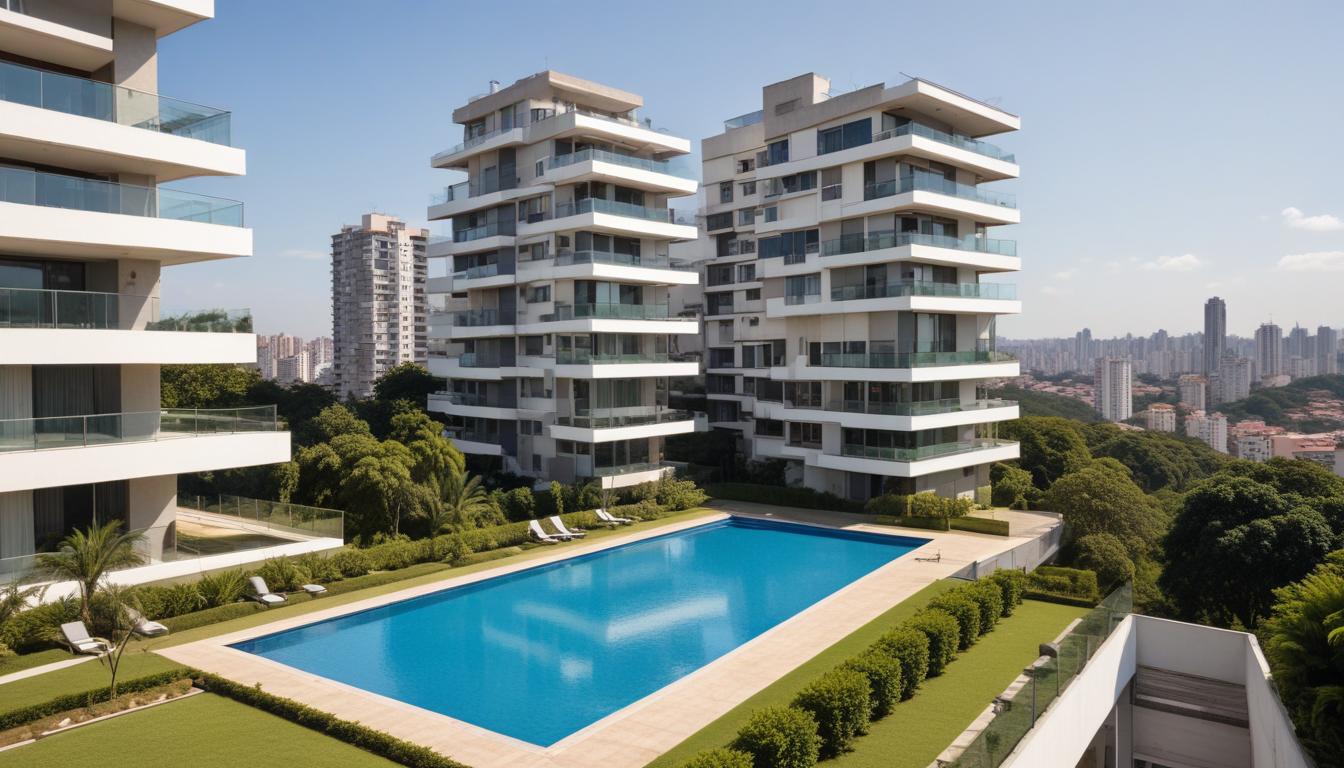
Itaim Bibi's luxury segment—where a two-bedroom penthouse easily exceeds BRL 2.5 million—operates in its own universe. Yields collapse to 3–4% gross, but investors here prioritize capital appreciation, not rental income. The logic: a BRL 2.8 million property appreciating 8% annually generates BRL 224,000 in value gain, dwarfing the modest BRL 120,000 annual rent.
The data reveals a 2026 reality: São Paulo's rental market rewards specificity over generalization. High-yield chasing in unfamiliar neighbourhoods without understanding microlocation dynamics, lease enforcement, and tenant disputes often erodes returns faster than any rate rise. Experienced landlords increasingly favour neighbourhoods where they understand the street-level economics—whether that's the corporate density around Avenida Brigadeiro Faria Lima or the emerging professional class settling into Vila Mariana.
The old formula of buying cheap and collecting rent has given way to buying smart and managing actively.
This article was compiled by AI from the sources linked above and screened before publishing. See our editorial standards.