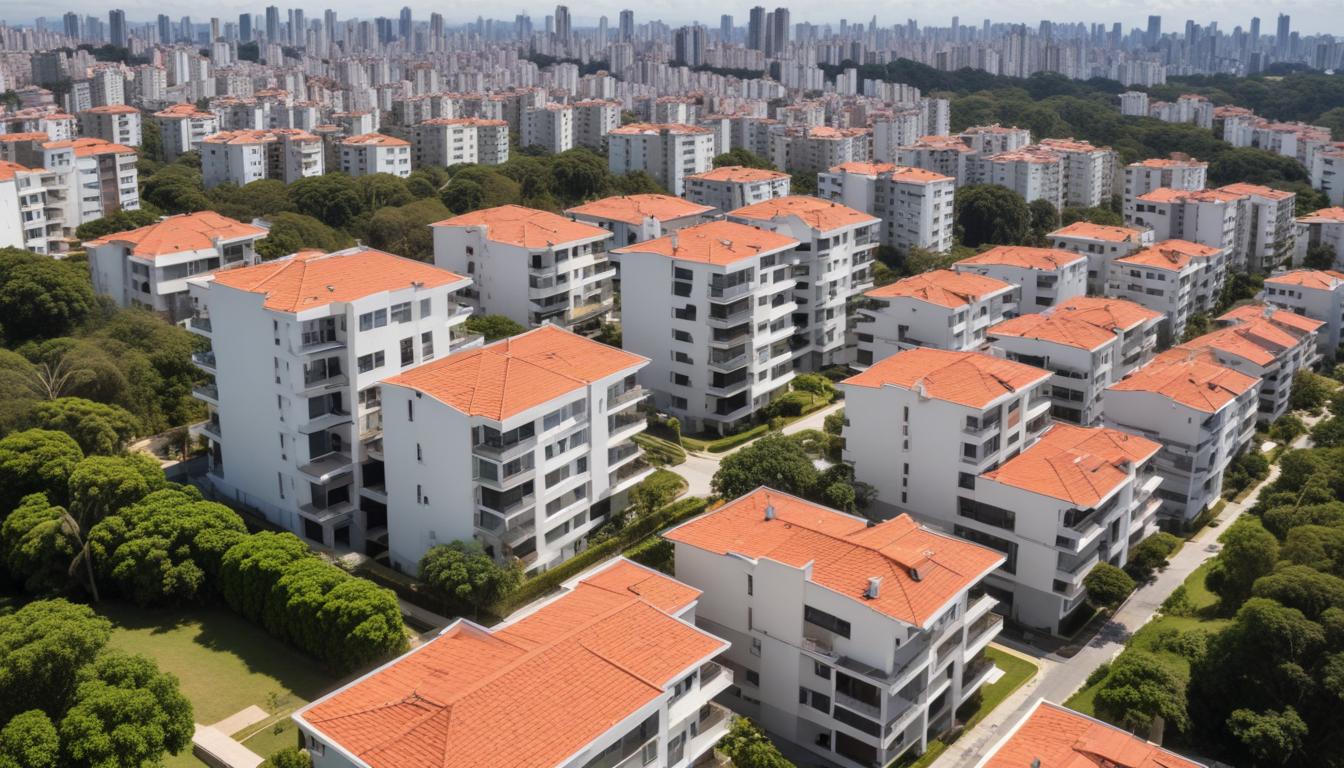
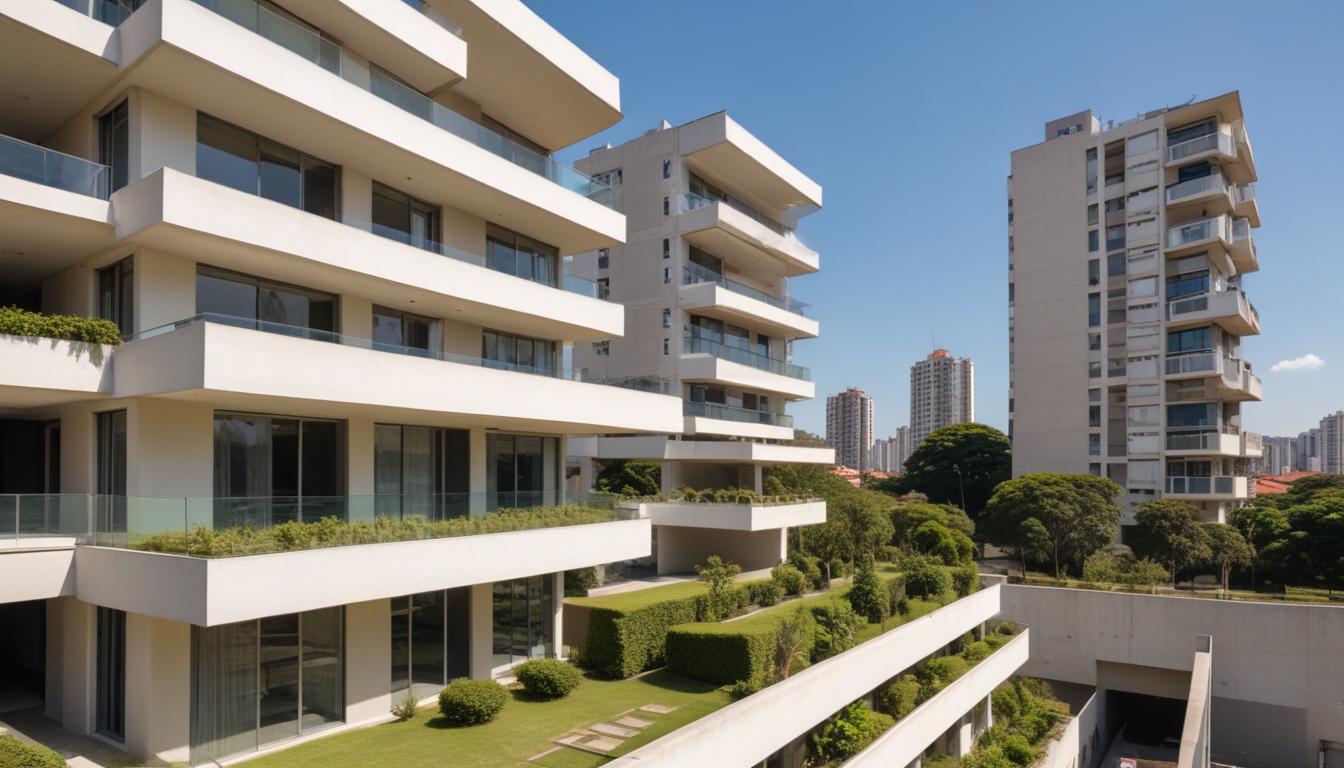
São Paulo's property market is experiencing a structural shift that goes far beyond typical cyclical movements. The average price of R$10,000 per square metre masks a far more complex reality: institutional capital is flooding premium zones while emerging neighbourhoods attract a new breed of investor-occupier, and the window for strategic entry is narrowing.
The drivers are threefold. First, interest rates remain elevated by historical standards, but refinancing costs for existing mortgages have stabilised, freeing capital for secondary purchases. Second, the completion of Metro Line 6 (Rosa) extensions and ongoing infrastructure projects around Tatuapé and Mooca have triggered a revaluation cascade—properties within 800 metres of new stations are commanding premiums of 15–20 per cent year-on-year. Third, international investors are increasingly viewing São Paulo as a hedge against currency volatility, particularly in Itaim Bibi and Pinheiros, where luxury apartments in the R$2–4 million range have seen accelerated turnover.
But this bullish backdrop masks real stress points. Inventory in established premium zones—Jardins, Vila Madalena, Consolação—has tightened dramatically. Motivated sellers are rare; those listing are asking 8–12 per cent more than comparable sales from 12 months ago. Buyers who delayed decisions are now absorbing opportunity cost.
The emerging opportunity lies in transition zones. Tatuapé, once overlooked, is experiencing institutional retail and hospitality development. The Rua Tuim corridor and nearby residential clusters are attracting young professionals priced out of Pinheiros. Prices here—R$8,000–9,500 per square metre for newer apartments—offer better value, though liquidity remains lighter than central zones.
What buyers must understand: this is not a uniform market. Luxury apartments with dedicated parking (a premium asset in a car-obsessed city) are moving quickly; mid-range family homes face longer holding periods. Rental yields in growth zones like Mooca (5–6 per cent annually) now outpace traditional Jardins lettings (3–4 per cent), shifting the calculus for investor-occupiers.
For owner-occupiers, the message is sobering. Rate expectations matter less than supply scarcity. Anyone considering Pinheiros, Vila Madalena, or Itaim Bibi should move decisively; liquidity crises could trigger forced sales, but current momentum suggests continued price appreciation through 2027. For value-conscious buyers, the next 6–12 months offer a rare window to acquire in growth corridors before institutional capital fully reprices them.
The São Paulo market rewards speed and clarity of intent. Indecision now will cost more than overpaying slightly today.
This article was compiled by AI from the sources linked above and screened before publishing. See our editorial standards.