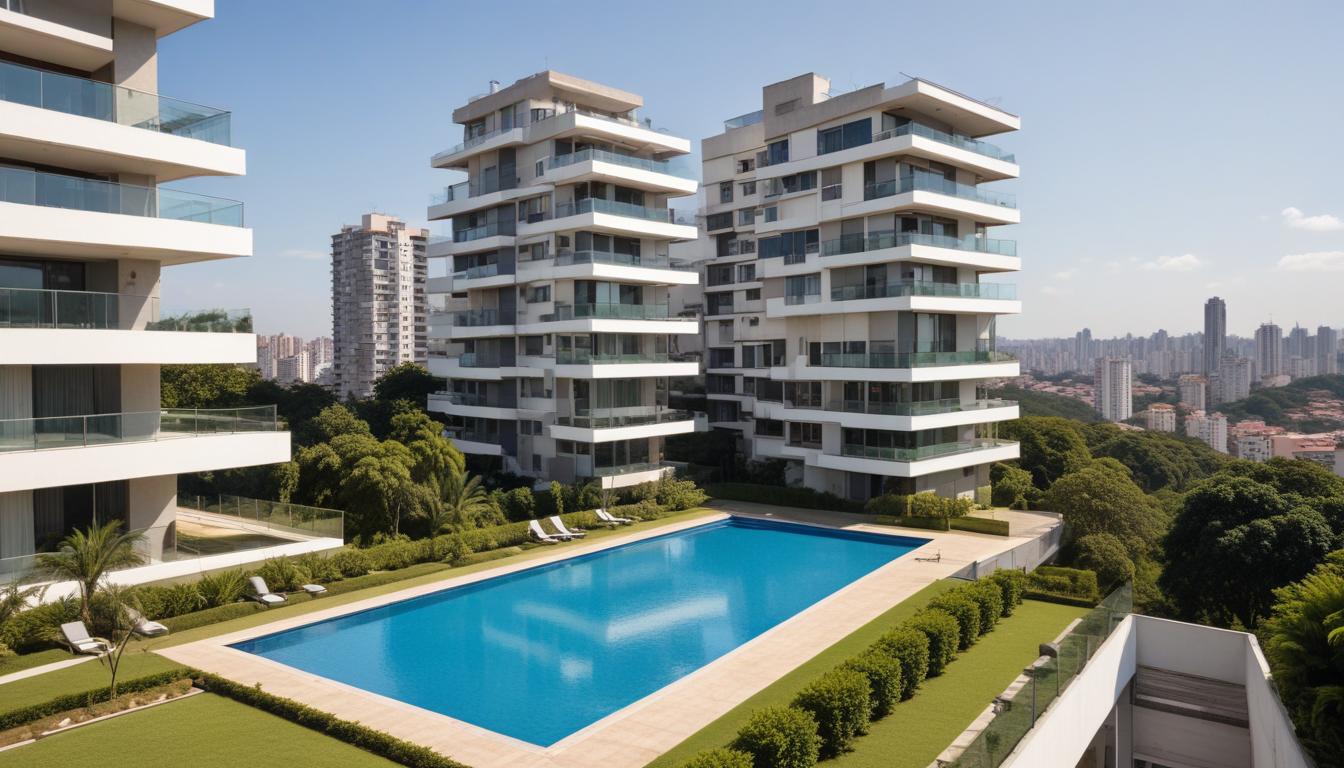
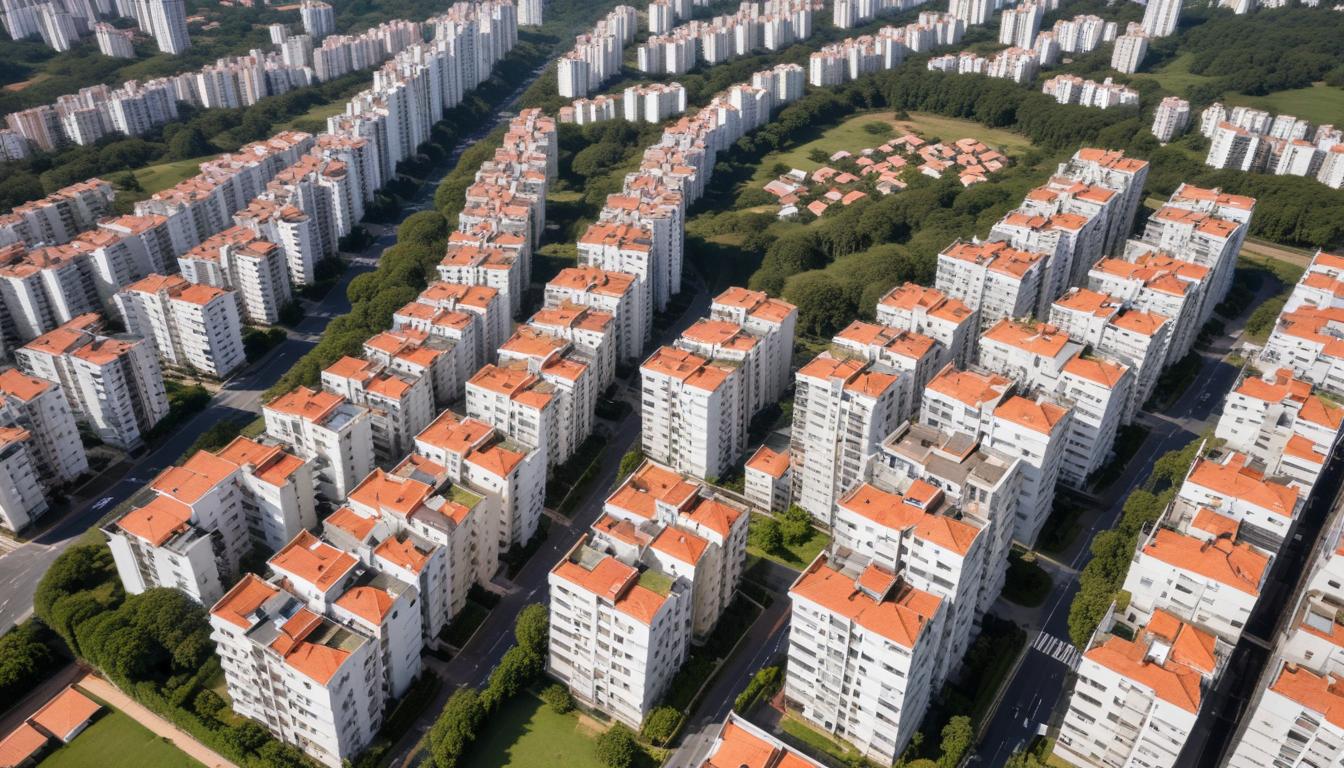
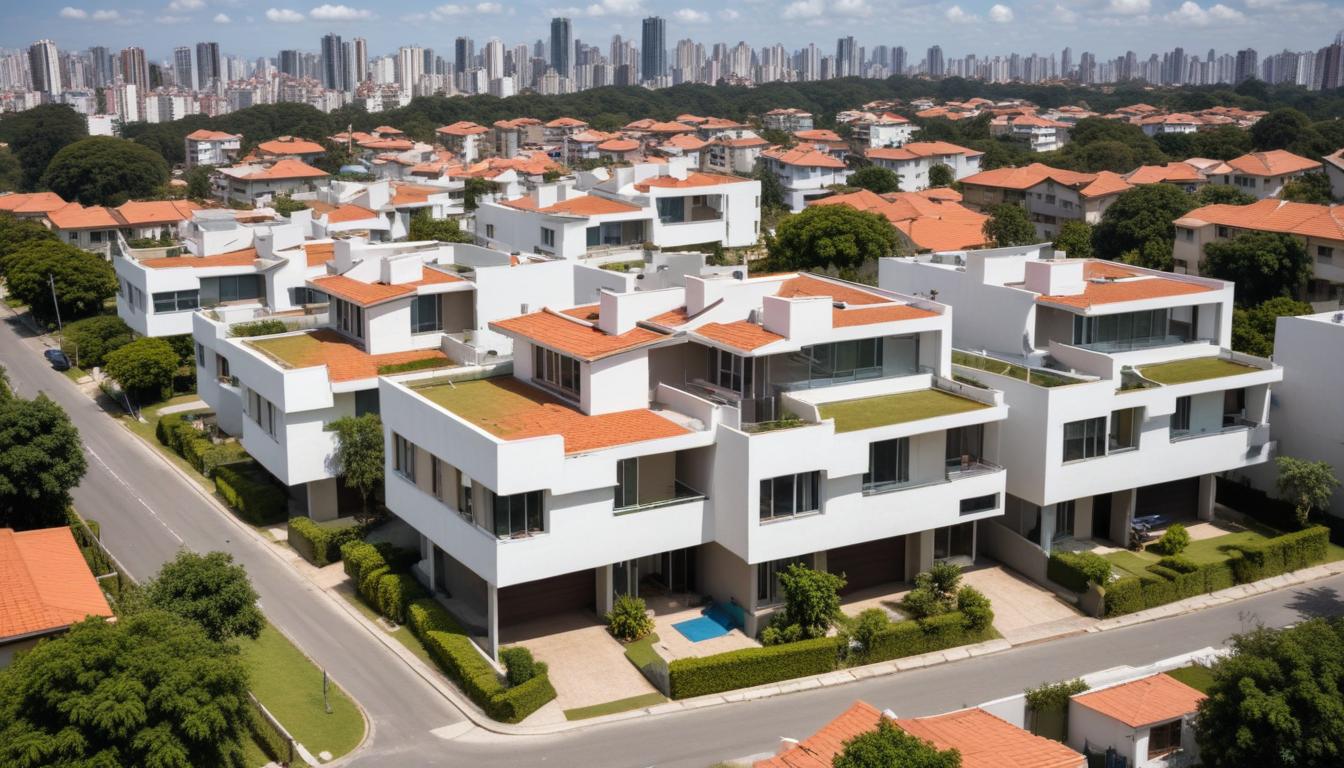
The São Paulo housing market in mid-2026 presents a paradox for first-time buyers: opportunity exists, but strategy matters more than ever. With the city averaging BRL 10,000 per square metre—and premium zones like Jardins and Pinheiros commanding multiples of that—knowing where to invest your savings requires clear thinking and realistic expectations.
For those entering the market with limited capital, the emerging growth corridors offer genuine potential. Tatuapé and Mooca, traditionally overlooked neighbourhoods in the east, continue attracting investors seeking value. A modest two-bedroom apartment in these areas typically ranges from BRL 600,000 to BRL 900,000, compared to BRL 2 million-plus in Itaim Bibi's luxury enclaves. The payoff? These zones now host improved dining, retail, and public transport infrastructure, making them increasingly attractive to younger professionals and families.
Vila Madalena remains the sweet spot for those seeking trendiness without Jardins-level pricing. The neighbourhood's creative energy—anchored around Rua Aspicuelta and nearby cultural venues—continues drawing young professionals willing to pay BRL 1.2 to BRL 1.8 million for compact apartments with genuine neighbourhood character. It's pricier than Tatuapé but significantly more affordable than traditional prestige addresses.
For first-time buyers, several hard truths warrant attention. Interest rates and lending conditions directly shape affordability more than headline prices. A BRL 500,000 property becomes realistic only with favourable financing; without it, buyers should target properties below BRL 400,000 where cash deposits carry proportionally greater weight. The Central Bank's recent rate environment has tightened lending standards, making pre-approval increasingly important before house hunting begins.
Location arbitrage remains viable but requires homework. Properties within walking distance of Metro stations—particularly along the expanding Red and Green lines—maintain resilience even during softer market phases. Proximity to established commercial districts like Avenida Paulista or emerging hubs like Vila Madalena's Rua Mourato Coelho commands premiums, but resale potential justifies the cost.
A practical starting point: engage with property platforms and neighbourhood associations to understand micro-market variations. Prices fluctuate significantly within single neighbourhoods. A corner property on a busy avenue differs vastly from a quiet side street just blocks away. Patient observation—visiting neighbourhoods at different times, understanding commute times to your workplace, assessing local amenities—pays dividends.
The market rewards disciplined buyers who understand their budget constraints, research thoroughly, and resist pressure to stretch beyond comfortable financial parameters. First-time success in São Paulo's property market stems not from timing the market perfectly, but from making informed choices within realistic means.
This article was compiled by AI from the sources linked above and screened before publishing. See our editorial standards.