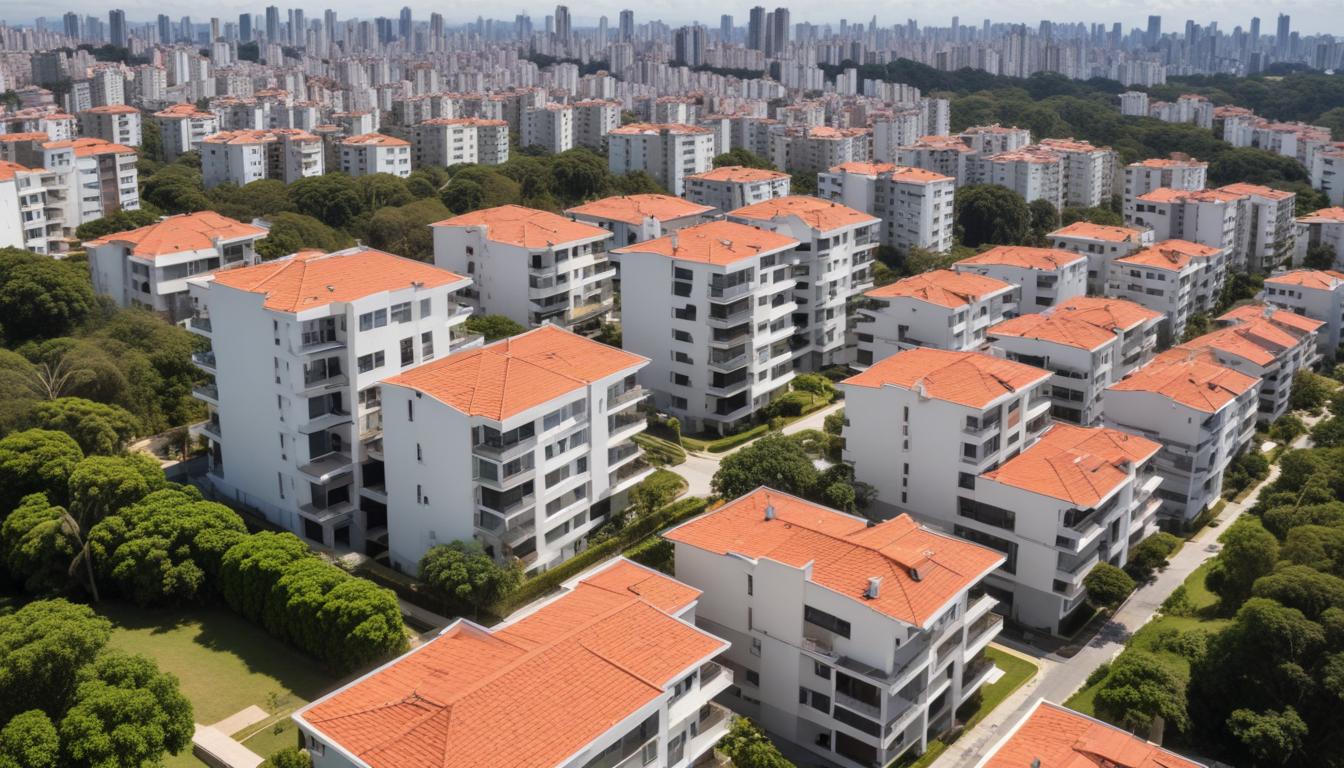
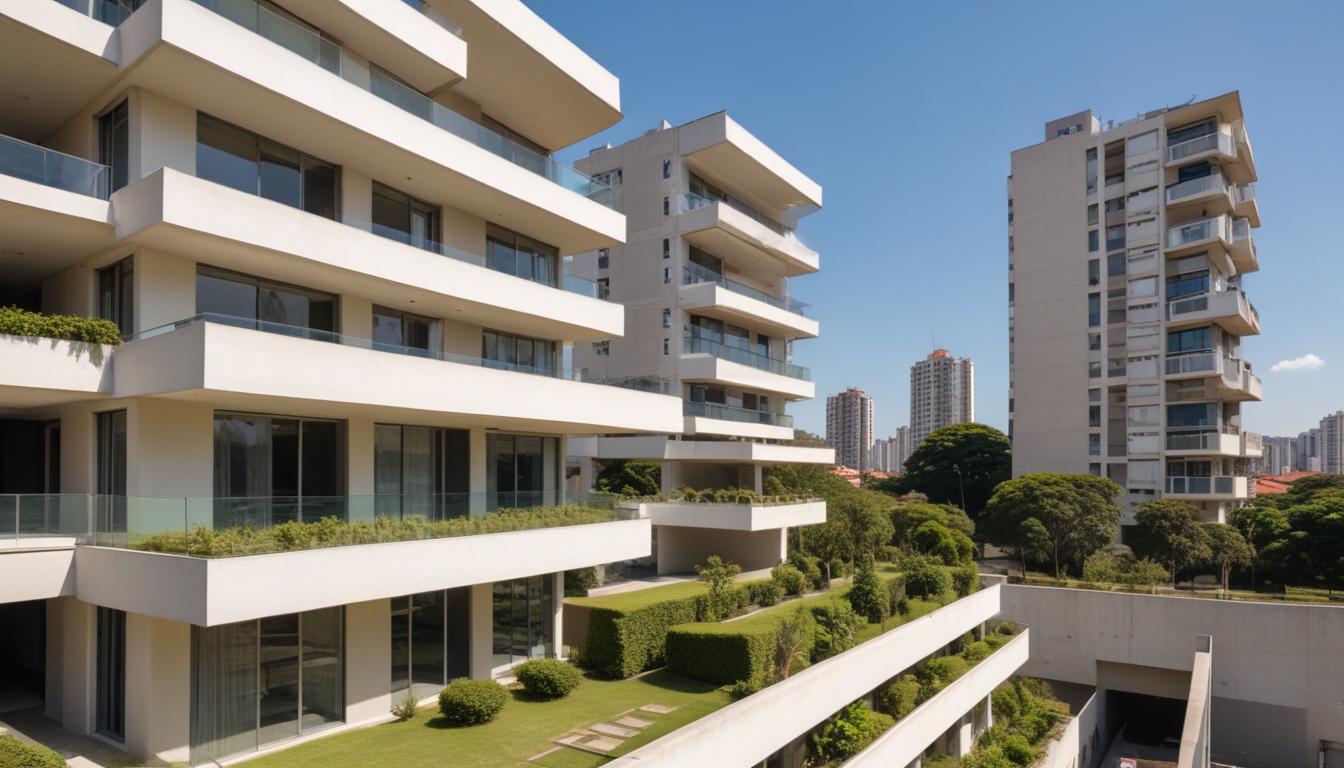
For years, São Paulo's property investment map has centred on predictable coordinates: the leafy prestige of Jardins, the creative cachet of Vila Madalena, the luxury anchors of Itaim Bibi. But a quiet shift is underway in Tatuapé, the Zona Leste neighbourhood increasingly favoured by investors hunting superior yields without the stratospheric entry costs of the city's traditional strongholds.
The numbers tell the story. While Jardins and Pinheiros command averages above BRL 15,000 per square metre, Tatuapé is trading around BRL 6,500–7,500 per sqm for quality residential stock. Yet rental demand is surging. The neighbourhood's proximity to major business corridors—including the Avenida Paulista corridor via Linha 3 do Metrô and the emerging tech hub around Rua Vergueiro—has created a steady tenant base of young professionals and growing families. Current yields sit at 4.5–5.5% annually, substantially above the 2.8–3.2% returns typical of premium zones.
What's driving this momentum? Infrastructure investment and demographic tailwinds. The ongoing expansion of metro connectivity, combined with Tatuapé's reputation as an affordable yet safe residential pocket, has attracted institutional interest. Local commercial arteries like Avenida Tatuapé and Rua Silveira Martins are experiencing retail revitalisation, anchoring the neighbourhood's day-to-day appeal and supporting rent growth.
For landlords, the practical advantages extend beyond spreadsheets. Tenant turnover in Tatuapé averages 2–3 years, longer than in trendier neighbourhoods where transience runs high. The demographic skews toward stability-seeking renters—couples, young families, remote workers—rather than transient young singles. This reduces vacancy risk and vacancy duration, two metrics that quietly define investment success.
Entry barriers remain reasonable. A well-located two-bedroom apartment in a modern residential building typically costs BRL 550,000–750,000, financeable comfortably for investors seeking modest leverage. The same specification in Jardins would command double or triple that outlay.
That said, Tatuapé is not without vulnerabilities. The neighbourhood still lacks the social cachet that insulates premium zones from market downturns. Investor perception can shift quickly if broader economic headwinds resurface. And while infrastructure is improving, it remains patchier than in established affluent neighbourhoods.
But for investors with a 7–10 year horizon and genuine appetite for cashflow over capital appreciation, Tatuapé represents an increasingly rational choice. The Zona Leste is no longer a speculative frontier—it's becoming a mature alternative to exhausted yield curves in the south and west.
This article was compiled by AI from the sources linked above and screened before publishing. See our editorial standards.