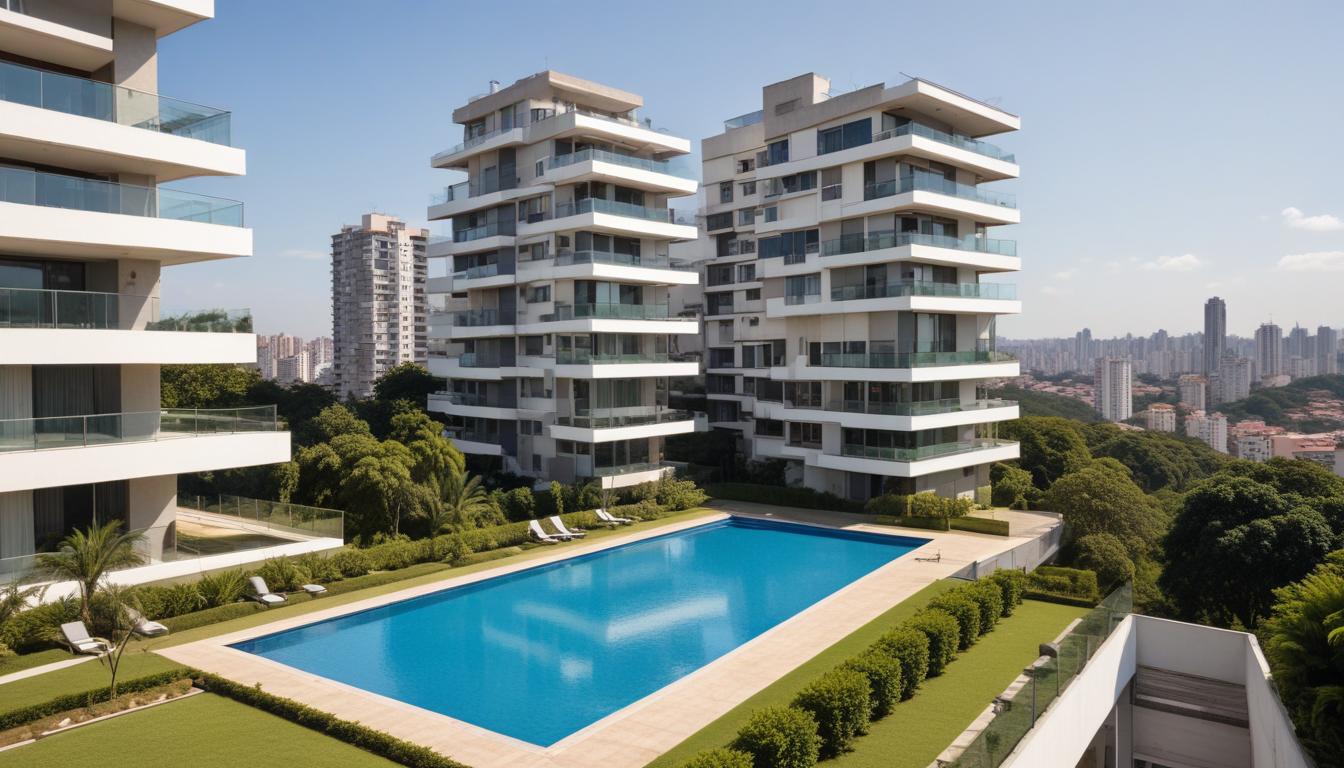
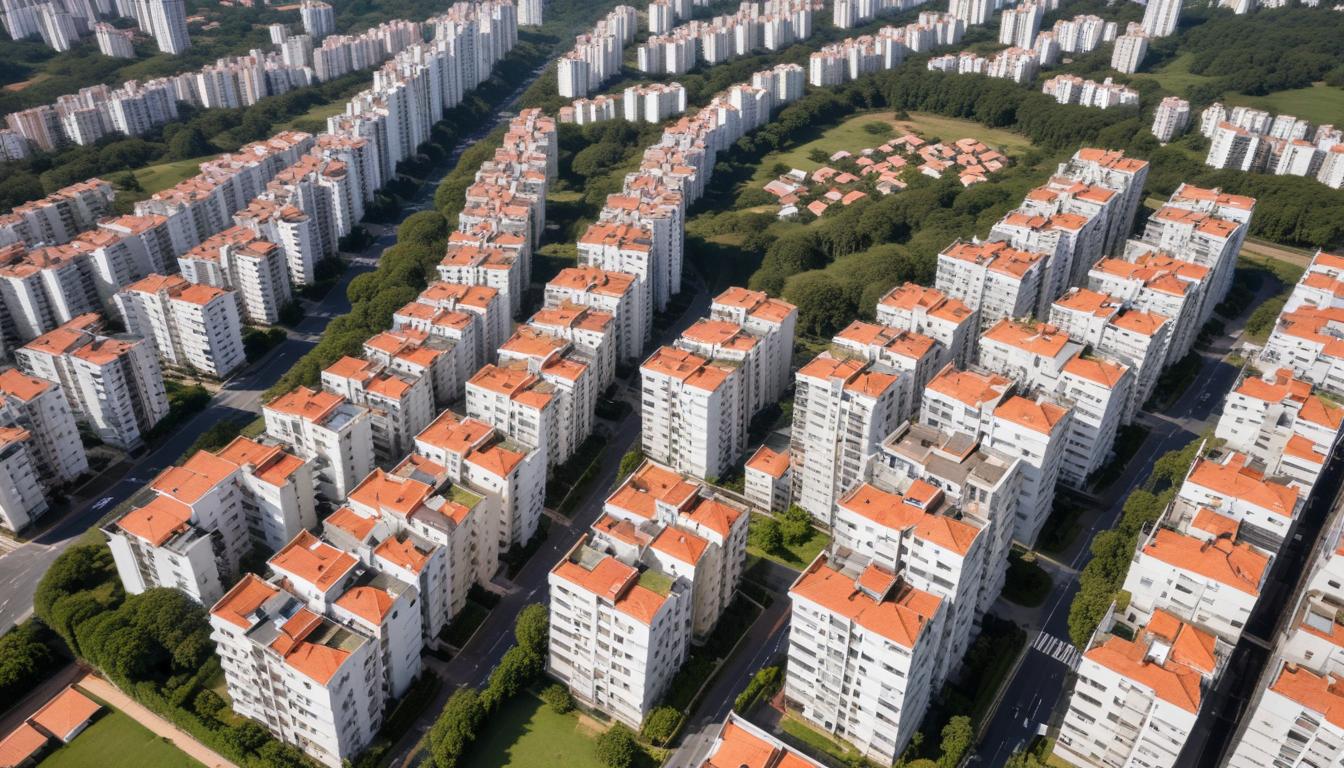
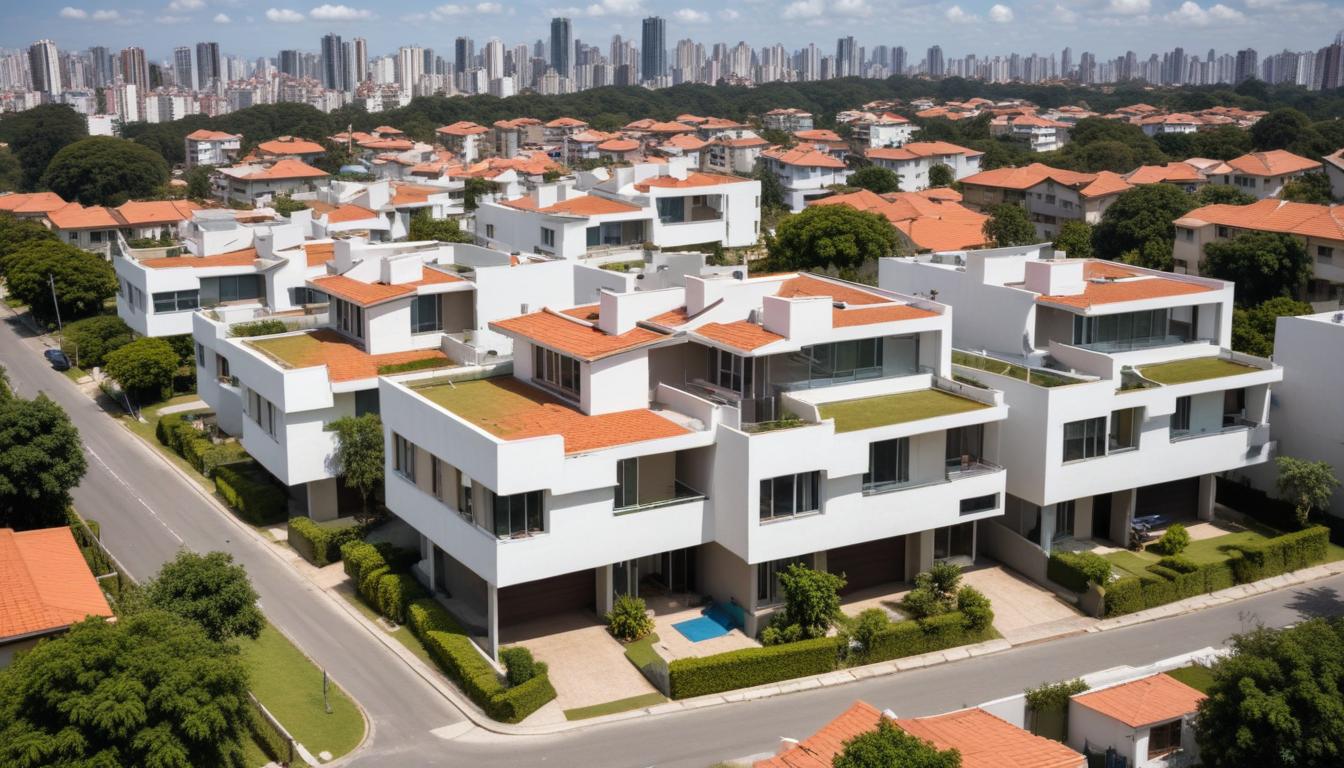
For years, Pinheiros lived in the shadow of its wealthier neighbour Jardins and the bohemian allure of Vila Madalena. But São Paulo's property market has rewritten that script. The neighbourhood, anchored by the iconic Rua Bela Cintra and bounded by the Pinheiros River, is experiencing a remarkable resurgence that has caught investors' attention—and their wallets.
Recent transactions reveal the shift. Properties along Rua Benedito Calixto, traditionally priced at BRL 8,500–9,500 per square metre, now regularly fetch BRL 11,000–12,500. A renovated three-bedroom apartment near Praça Benedito Calixto recently sold for BRL 1.8 million—a figure that would have been unthinkable two years ago. Meanwhile, new residential developments in the neighbourhood are launching with premiums that rival Itaim Bibi, long São Paulo's luxury benchmark.
The catalyst? Infrastructure and authenticity. Unlike Jardins, where scarcity drives prices upward, Pinheiros offers the cultural capital that drew buyers to Vila Madalena—galleries, independent bookstores, craft breweries around Rua dos Pinheiros—without the congestion or saturation. The neighbourhood's proximity to both Avenida Faria Lima's corporate towers and Vila Madalena's entertainment districts positions it as a genuine hub rather than a satellite.
Developers are taking notice. Two significant mixed-use projects broke ground in the past eighteen months, promising retail, residential, and office space. The renovation of period buildings along quieter side streets—Rua Cristovão Colombo, Rua Bela Cintra—has accelerated, attracting young professionals and established families alike.
But affordability concerns loom. The jump from São Paulo's current average of BRL 10,000 per square metre to Pinheiros' emerging premium has priced out many middle-income buyers. Locals worry the neighbourhood's character—defined by independent businesses and long-term residents—risks homogenisation as investment capital flows in.
Market analysts attribute the shift to rational economics. Pinheiros offers space (compared to Jardins' density), accessibility (the metro expansion helped), and growth potential. For investors, it represents an entry point to São Paulo's premium market before prices stabilise at the higher end.
Whether Pinheiros can sustain this momentum while preserving its identity remains the critical question. History suggests that as prices rise toward Jardins' levels, the appeal that drew buyers here in the first place—authentic character over brand status—may itself become the casualty.
This article was compiled by AI from the sources linked above and screened before publishing. See our editorial standards.