São Paulo's Luxury Market Yields: What Returns Are Actually Showing Investors Right Now
As the city's premium postcodes mature, data reveals a widening gap between trophy addresses and those chasing genuine capital growth.
As the city's premium postcodes mature, data reveals a widening gap between trophy addresses and those chasing genuine capital growth.
The São Paulo luxury market is telling two stories. One speaks of prestige and heritage; the other, of mathematics and returns. For investors watching their capital deploy across Itaim Bibi, Jardins, and the emerging Vila Madalena corridor, the distinction matters enormously.
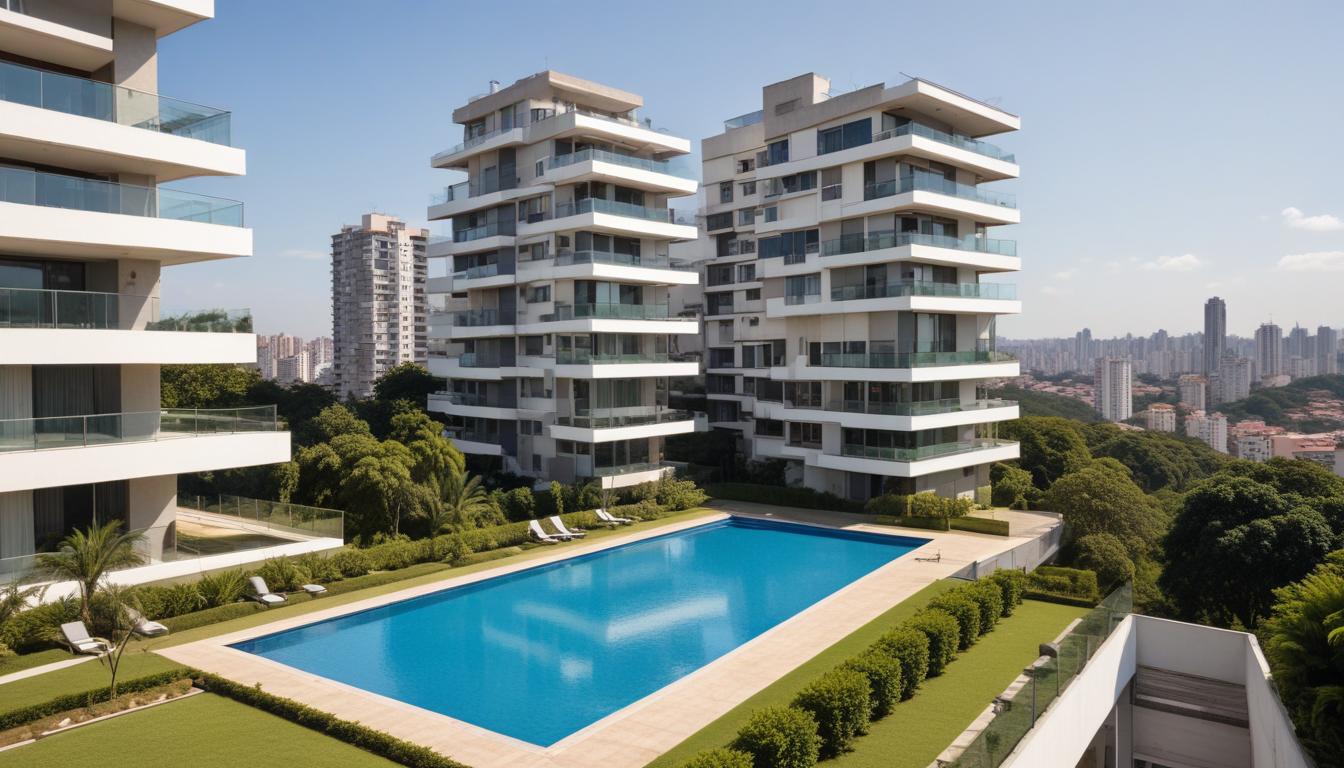
Recent transaction data paints a sobering picture for those betting purely on blue-chip addresses. While Jardins and Pinheiros remain São Paulo's most coveted neighbourhoods—commanding prices north of BRL 15,000 per square metre—the yield picture has tightened considerably. Prime riverside apartments in Itaim Bibi, traditionally a fortress for institutional capital, are generating rental yields of 2.5 to 3.2 percent annually, well below the city's 10-year average. A BRL 8 million penthouse on Avenida Brigadeiro Faria Lima, for instance, may attract only BRL 25,000 monthly in rent—a mathematical reality that has prompted some long-term holders to reassess their thesis.
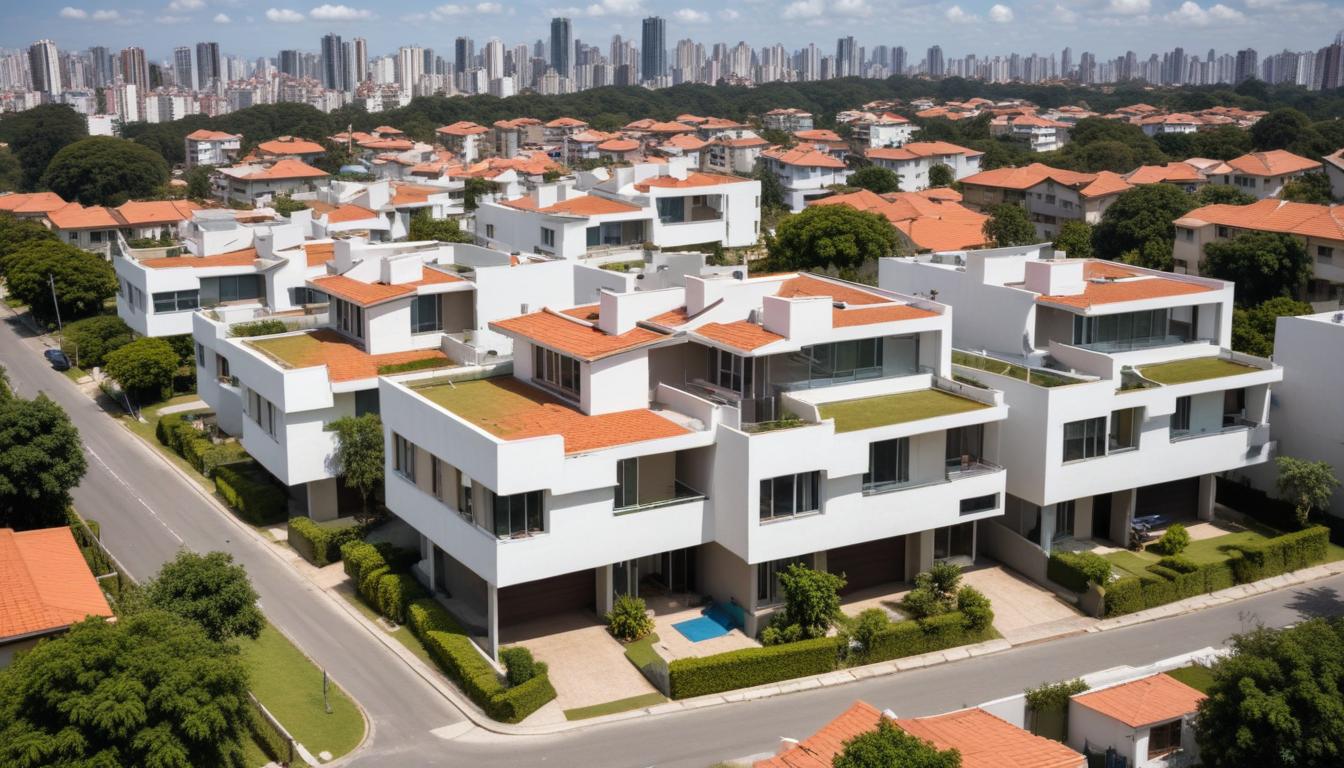
The calculus shifts dramatically in emerging luxury precincts. Vila Madalena, once dismissed as bohemian rather than blue-chip, has seen investor activity surge along Rua Grajau and adjoining streets, where comparable properties yield 4.1 to 4.8 percent. The neighbourhood's cultural density—proximity to galleries, restaurants, and the Museu de Arte de São Paulo—has attracted younger high-net-worth individuals willing to trade pure prestige for genuine returns. Similar dynamics are emerging in Tatuapé and Mooca, where luxury developments command BRL 12,000 to 13,000 per square metre yet produce yields approaching 5 percent.
This bifurcation reflects a maturing market. São Paulo's overall residential average hovers near BRL 10,000 per square metre, yet the delta between trophy addresses and high-yield alternatives has never been wider. A BRL 5 million apartment in Jardins might appreciate modestly—perhaps 3 to 4 percent annually—while the same capital deployed in a newer Pinheiros development or a carefully selected Vila Madalena property could yield 6 to 7 percent combined return.
For institutional investors and family offices, the implication is clear: the days of purchasing prestige for prestige's sake are contracting. Today's sophisticated capital demands the yield conversation alongside the address. As São Paulo's ultra-premium market consolidates around established addresses, growth opportunities are migrating toward neighbourhoods where scarcity and cultural momentum—not mere heritage—justify the premium. The luxury market is bifurcating, and numbers, not nostalgia, are driving migration.
This article was compiled by AI from the sources linked above and screened before publishing. See our editorial standards.
How does this story make you feel?
Spread the word
About this article
Published by The Daily São Paulo
Daily brief
Free, in your inbox before 7am. Weekdays.
More in Property